Mastering the Classic Fluffy Pancake at Home
There is something timeless about the aroma of melted butter and warm maple syrup filling the kitchen on a quiet morning. While commercial boxed mixes offer convenience, making your breakfast from scratch yields a dramatically superior texture and flavor. This easy pancake recipe delivers golden, tender cakes with delicate crisp edges and a soft, airy center. You do not need specialized baking tools, exotic ingredients, or advanced culinary skills to achieve breakfast perfection. With basic pantry items and a few foundational techniques, you can turn out restaurant-quality stacks in under twenty-five minutes.
Understanding how basic ingredients interact allows you to control the thickness, fluffiness, and moisture of your pancakes. Many home cooks struggle with dense, rubbery disks or burnt exteriors surrounding raw batter. This guide breaks down the exact science and step-by-step methods required to eliminate those issues forever. Whether you are feeding a hungry family on Sunday morning or preparing a quick batch for meal prep, this reliable easy pancake recipe will quickly become a staple in your culinary rotation.
Key Takeaways
- Resting the batter is essential: Allowing the mixed batter to sit for 10 minutes hydrates the flour and yields a significantly lighter texture.
- Avoid over-mixing: Whisk ingredients just until combined; small lumps in the batter are desirable and prevent tough, rubbery pancakes.
- Control your heat: Maintain a steady medium-low temperature to cook the interior thoroughly without scorching the exterior surface.
- Look for bubble patterns: Flip your pancakes only when bubbles form on top and the outer edges begin to look set and matte.
- Use melted butter in the batter: Butter adds essential richness, tenderizes the crumb, and promotes delicate golden browning.
Recipe Overview and Cooking Method Comparison
Pancakes come in many styles, ranging from thin European crepes to thick, soufflé-style Japanese cakes. This easy pancake recipe focuses on the classic American diner-style pancake: buoyant, golden, and eager to absorb warm syrup. Preparing these from scratch takes mere minutes longer than using a boxed mix, but the improvement in flavor and crumb structure is substantial.
| Method or Style | Prep Time | Cook Time | Key Characteristic | Texture Quality |
|---|---|---|---|---|
| Scratch (This Recipe) | 10 mins | 15 mins | Fresh pantry staples, tailored flavor | Light, fluffy, and tender |
| Commercial Boxed Mix | 5 mins | 15 mins | Pre-blended dry ingredients | Often dense or spongy |
| Buttermilk Style | 15 mins | 15 mins | Acidic tang, ultra-tender crumb | Thick and soft |
| Blender / Quick Batter | 5 mins | 15 mins | Rapid automated processing | Slightly chewier crumb |
Ingredients and Ingredient Notes
Creating extraordinary pancakes relies on using fresh ingredients in proper proportions. Every component in this easy pancake recipe serves a clear structural or flavor purpose.
- All-Purpose Flour: Provides the structural foundation. Standard all-purpose flour offers the ideal gluten content for structure without becoming tough. Ensure you measure by spooning flour into your measuring cup and leveling it off rather than scooping directly from the bag.
- Baking Powder: The primary leavening agent responsible for height and airiness. Ensure your baking powder is fresh for maximum lift.
- Granulated Sugar: Adds subtle sweetness and helps promote browning through caramelization during cooking. Two tablespoons provide balance without making the batter overly sweet.
- Fine Sea Salt: Crucial for balancing sweetness and enhancing the natural grain flavors of the flour.
- Whole Milk: Adds moisture and richness. Whole milk yields the best texture, though low-fat milk or non-dairy alternatives like almond or oat milk can also be used. Ensure your milk is at room temperature to prevent the melted butter from solidifying upon contact.
- Unsalted Butter: Melted butter inside the batter coats gluten strands, producing a tender bite. Extra butter or oil is used for greasing the skillet.
- Large Egg: Binds the batter together while contributing structure and rich flavor. A room-temperature egg incorporates smoothly into the liquid mixture.
- Pure Vanilla Extract: Adds a fragrant, warm flavor note that elevates the overall profile of the pancake.
Step-by-Step Cooking Instructions
- Combine Dry Ingredients: In a large mixing bowl, whisk together 2 cups of all-purpose flour, 2 tablespoons of baking powder, 2 tablespoons of granulated sugar, and 1/2 teaspoon of fine sea salt until evenly distributed.
- Mix Wet Ingredients: In a separate medium bowl or liquid measuring cup, whisk together 1 1/2 cups of room-temperature milk, 1 large egg, 1/4 cup of melted (and slightly cooled) unsalted butter, and 1 teaspoon of pure vanilla extract.
- Combine Wet and Dry Mixtures: Pour the wet ingredients into the dry ingredients. Gently fold the mixture using a silicone spatula or whisk just until the ingredients come together. Do not overmix. Small lumps are completely normal and will hydrate as the batter rests.
- Rest the Batter: Set the batter aside at room temperature for 10 minutes. During this period, the flour fully absorbs the liquids, and the baking powder begins generating tiny carbon dioxide bubbles.
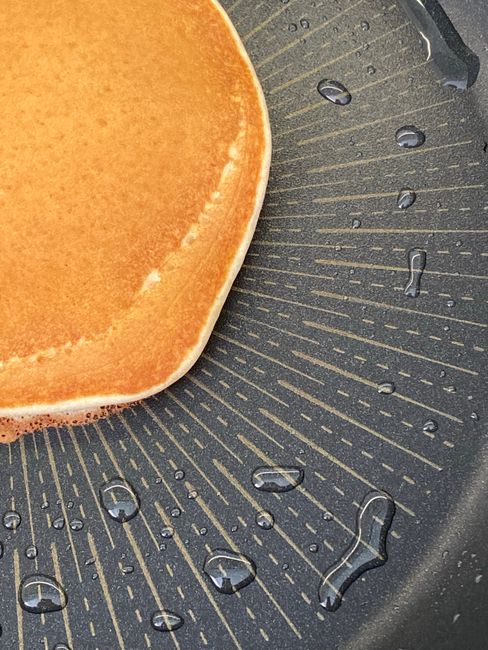
- Preheat the Cooking Surface: Heat a heavy skillet, cast-iron pan, or electric griddle over medium-low heat. Test the surface by sprinkling a few drops of water onto it; if they dance and evaporate quickly, the pan is ready. Lightly grease the surface with a small amount of butter or neutral oil.
- Pour the Batter: Scoop roughly 1/4 cup of batter onto the hot skillet for each pancake, leaving enough space between them to allow spreading and easy flipping.
- Cook First Side: Cook for approximately 2 to 3 minutes. Watch for bubbles to rise to the surface and burst, leaving small holes. The edges of the pancakes should look set, dry, and slightly matte.
- Flip and Finish: Carefully slide a wide spatula under the pancake and flip in one swift movement. Cook the second side for an additional 1 to 2 minutes until golden brown and cooked through.
- Keep Warm and Serve: Transfer finished pancakes to a warm plate or an oven set to 200°F (90°C) while cooking the remaining batter. Serve warm with your favorite toppings.
Rule execution check: Every ingredient used here (flour, baking powder, sugar, salt, milk, egg, butter, vanilla) is listed in the ingredients list.
Cooking Tips and Common Mistakes
Achieving perfect consistency every time requires paying attention to small culinary details. Heat management and gentle handling are the two most critical factors when mastering an easy pancake recipe.
Editorial Advice: Resist the urge to press down on your pancakes with a spatula while they cook. Pressing squeezes out trapped air bubbles and steam, resulting in dense, flat, and rubbery pancakes instead of light and fluffy ones.
Crucial Tips for Success
- Mind the Temperature: Cooking over excessively high heat scorches the exterior before the interior has a chance to set, leaving you with burnt skin and raw batter. Keep your stove at a steady medium-low.
- Embrace the Lumps: Overworking pancake batter activates gluten, turning tender pancakes chewy and dense. Mix only until the dry streaks vanish.
- Wipe the Pan Between Batches: Excess butter in the pan can burn over time, leaving bitter black flecks on later batches. Wipe the pan gently with a paper towel between rounds and apply fresh fat sparingly.
- Use Room-Temperature Ingredients: Cold milk or cold eggs will cause melted butter to re-solidify into tiny hard lumps, preventing a smooth incorporation.
Ingredient Substitutions and Recipe Variations
This versatile foundation adapts easily to your dietary needs and flavor preferences. Feel free to customize the basic recipe using these tested swaps.
Dietary Substitutions
- Milk Alternatives: Replace whole milk with oat milk, almond milk, or soy milk at a 1:1 ratio for a dairy-free variation.
- Gluten-Free Option: Substitute all-purpose flour with a high-quality 1-to-1 gluten-free baking flour blend containing xanthan gum.
- Buttermilk Twist: Replace whole milk with buttermilk and reduce baking powder to 1 tablespoon while adding 1/2 teaspoon of baking soda to create acidic lift and subtle tang.
Flavor Additions
- Fresh Fruit: Scatter fresh blueberries, raspberries, or diced banana slices onto the wet top of each pancake right after pouring batter onto the skillet.
- Chocolate Chip: Fold 1/2 cup of semi-sweet or dark chocolate chips into the batter right before cooking.
- Warm Spices: Whisk 1/2 teaspoon of ground cinnamon or a pinch of fresh nutmeg into the dry ingredients for autumn flavor.
Serving Suggestions
Pancakes are a versatile canvas for sweet and savory combinations. Elevate your morning meal by pairing your fresh stack with thoughtful accompaniments.
- Classic Sweet Stack: Top warm pancakes with a pat of high-quality salted butter and pure maple syrup warmed slightly before drizzling.
- Berry Compote: Simmer fresh or frozen berries with a tablespoon of lemon juice and sugar until broken down into a glossy sauce.
- Savory Pairing: Serve beside crispy thick-cut bacon, breakfast sausage links, or soft scrambled eggs to balance the sweet profile.
- Nut Butter & Honey: Spread creamy peanut butter or almond butter between warm layers, topped with sliced bananas and a light honey drizzle.
Storage and Reheating Instructions
Leftover pancakes freeze exceptionally well, making them ideal for quick weekday breakfasts.
Refrigeration
Allow cooked pancakes to cool completely on a wire rack. Store them in an airtight container or sealable silicone bag in the refrigerator for up to 4 days.
Freezing
Arrange cooled pancakes in a single layer on a baking sheet lined with parchment paper and freeze for 1 hour until solid. Transfer frozen pancakes to a freezer-safe bag, separating layers with parchment paper. Store for up to 3 months.
Reheating Methods
- Toaster (Best Texture): Place frozen or chilled pancakes directly into a toaster slot on low-to-medium heat. This restores crispy edges while heating the center thoroughly.
- Oven: Preheat your oven to 350°F (175°C). Place pancakes in a single layer on a baking sheet, cover loosely with foil to prevent drying, and warm for 8 to 10 minutes.
- Microwave: Stack 2 to 3 pancakes on a microwave-safe plate and heat on high for 30 to 45 seconds. Note that microwaving yields a softer, slightly steamier texture.
Nutrition Information
Nutritional values are approximate estimates calculated based on a single serving (2 pancakes out of a total batch of 8).
| Nutrient | Amount Per Serving | % Daily Value |
|---|---|---|
| Calories | Approx. 320 kcal | 16% |
| Total Fat | 12 g | 15% |
| Saturated Fat | 6 g | 30% |
| Sodium | 480 mg | 21% |
| Total Carbohydrates | 45 g | 16% |
| Dietary Fiber | 2 g | 7% |
| Sugars | 8 g | — |
| Protein | 8 g | 16% |
Frequently Asked Questions
Why are my pancakes flat instead of fluffy?
Flat pancakes usually stem from expired baking powder or over-mixing the batter. Baking powder loses its leavening power over time, so ensure your supply is fresh. Additionally, over-mixing develops gluten and knocks out trapped air bubbles, leading to a dense structure rather than a tall, fluffy interior.
Can I make this pancake batter ahead of time?
It is best to bake batter immediately after the initial 10-minute rest. Because double-acting baking powder reacts once upon getting wet and again when heated, leaving mixed batter in the refrigerator overnight degrades its gas-producing ability, yielding flatter pancakes the next day.
How do I know when the griddle is at the right temperature?
A reliable test is to flick a few drops of water onto the dry pan. If the water sizzles immediately, skitters across the metal surface, and evaporates within two seconds, the pan is perfectly preheated. If it evaporates instantly upon impact, the surface is too hot.
Can I use water instead of milk in an easy pancake recipe?
Yes, water can be substituted for milk in equal amounts if necessary. However, milk provides fats, proteins, and sugars that contribute significantly to color, richness, and crumb structure. Water-based pancakes tend to be paler and slightly tougher.
What is the best fat for greasing the skillet?
A mix of butter and a small splash of neutral vegetable oil works best. Butter offers superior rich flavor, while oil raises the smoke point, preventing the butter solids from scorching over multiple batches.
Conclusion
Preparing a stack of warm, golden pancakes from scratch does not require complex techniques or extensive prep work. With this simple, foolproof easy pancake recipe, you can turn basic pantry ingredients into a comforting breakfast in minutes. Remember to mix gently, let your batter rest, and maintain steady medium-low heat for consistent results every time. Enjoy your freshly baked pancakes with warm maple syrup, fresh fruit, or your favorite toppings, and savor the unmistakable satisfaction of home cooking.