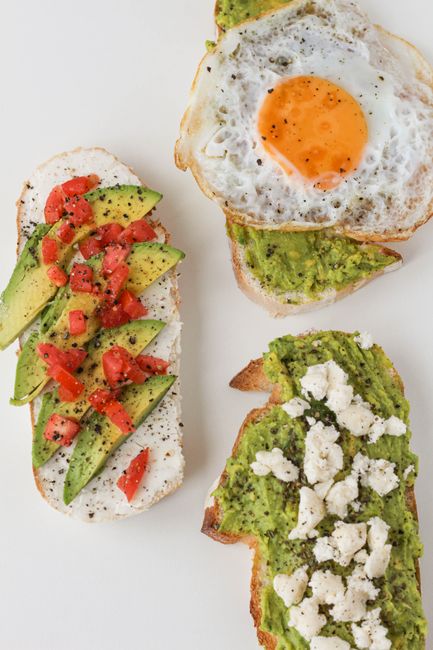
Mastering the Art of Stress-Free Brunch at Home
Weekend mornings carry a distinct rhythm. The sun sits lower in the sky, the coffee pot drips at an unhurried pace, and the expectation of a shared meal invites us to slow down. Yet, for many home cooks, hosting morning gatherings turns chaotic quickly. You end up standing over a hot skillet flipping individual eggs, watching pancakes go cold in a low oven, or juggling three separate skillets while your guests sit in the living room without you. Building a menu around reliable brunch recipes changes that equation entirely.
The secret to effortless hosting lies in choosing recipes that do the heavy lifting before anyone knocks on your front door. A warm, baked egg dish paired with thoughtfully prepped sides lets you step away from the stovetop and join the conversation. This golden Spinach, Caramelized Onion, and Gruyère Strata serves as the ideal centerpiece for any mid-morning table. It combines custard-soaked bread, nutty melted cheese, sweet caramelized onions, and tender greens into a dish that actually tastes better when assembled the night before.
Key Takeaways for Brunch Success
- Prep ahead whenever possible: Choose brunch recipes that allow overnight chilling or advance ingredient prep to minimize morning kitchen work.
- Respect the egg-to-dairy ratio: For baked egg dishes, use approximately one egg for every third cup of dairy to achieve a silky, custard-like setting that isn’t rubbery.
- Stale bread is mandatory: Dry, day-old bread absorbs rich liquid without dissolving into mush, creating structure and texture in baked casseroles.
- Balance your menu: Pair rich, savory main dishes with crisp green salads, sharp citrus, or fresh berries to reset the palate between bites.
- Temperature control matters: Allow chilled casseroles to rest at room temperature for 20 to 30 minutes before baking to guarantee even cooking from edge to center.
Recipe Overview: Savory Spinach and Gruyère Strata
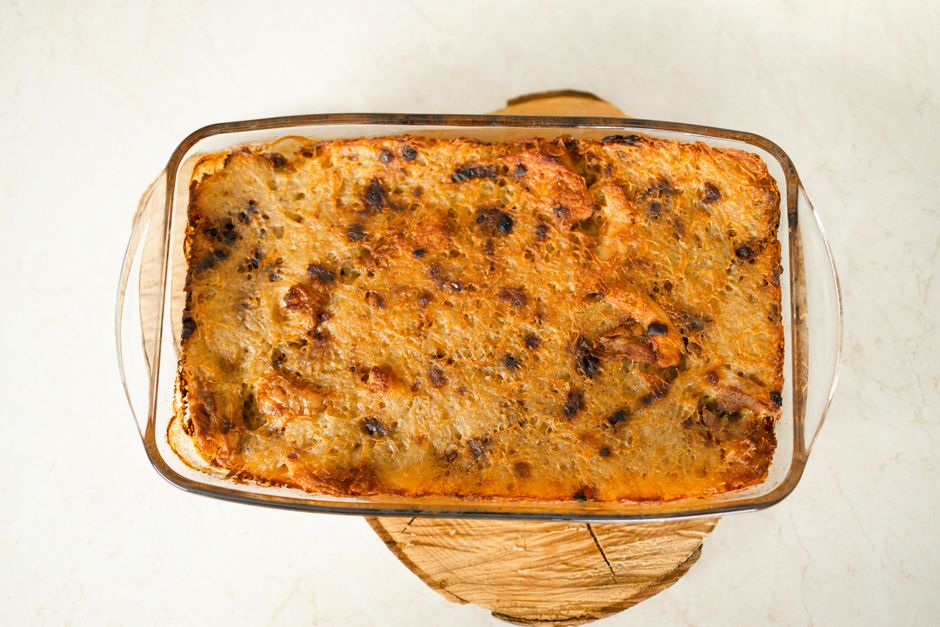
A strata is essentially a savory bread pudding, an elegant cousin to the quick breakfast casserole. By layering crusty bread with aromatics, rich cheese, and a lightly seasoned egg custard, you create a dish with deep flavor and textural contrast. The top crust bakes to a golden, crunchy brown, while the interior transforms into a soft, savory custard.
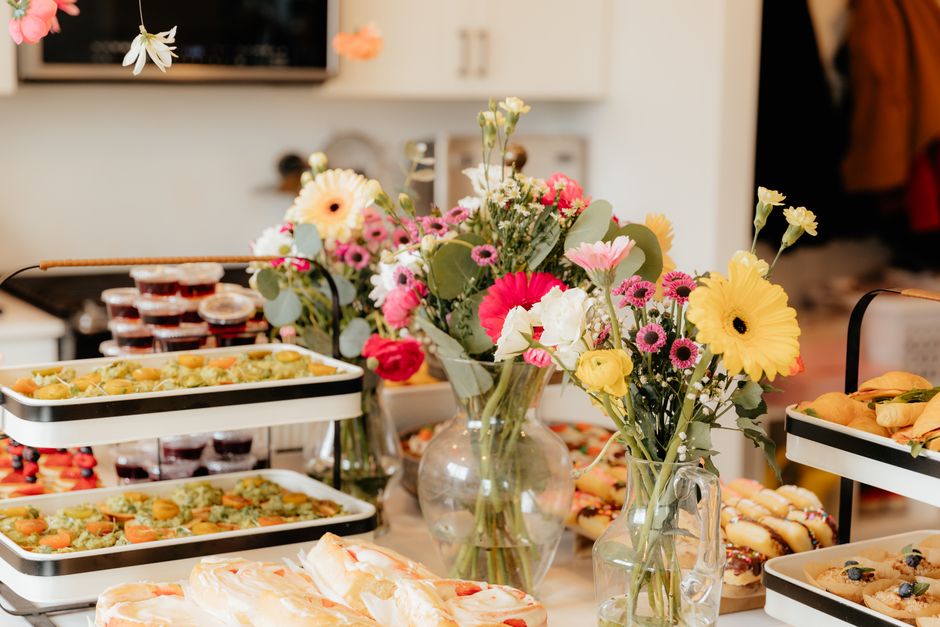


This specific variation highlights the classic pairing of nutty Gruyère cheese and sweet, slow-cooked yellow onions. Fresh baby spinach adds earthy brightness and vibrant color, balancing the richness of whole milk, cream, and egg yolks. Because it requires several hours—or ideally an overnight rest—in the refrigerator for the bread to fully hydrate, it frees up your morning entirely. When it is time to serve, you simply slide the baking dish into a preheated oven, brew a pot of fresh coffee, and wait for your kitchen to fill with an incredible aroma.
Ingredients and Ingredient Notes
- Sourdough or Brioche Bread (8 cups, cubed): Sourdough offers a pleasant tang that cuts through rich cheese, while brioche produces a tender, decadent crumb. Make sure to cut the bread into uniform one-inch pieces and dry them thoroughly.
- Unsalted Butter (2 tablespoons): Used to caramelize the yellow onions slowly, building a sweet, savory foundation for the entire casserole.
- Yellow Onions (2 large): Thinly sliced from root to stem. Low and slow cooking transforms sharp raw onions into jammy, deep amber ribbons of natural sweetness.
- Baby Spinach (10 ounces): Fresh baby spinach cooks down quickly in the pan. Wilting it first removes excess moisture that would otherwise water down the egg custard.
- Large Eggs (8 count): Provide the structural framework of the bake. Fresh, room-temperature eggs whisk together more smoothly with dairy.
- Whole Milk (2.5 cups) & Heavy Cream (0.5 cup): This combination yields a custard that is rich without feeling overly heavy. Avoid skim or low-fat milks, as they lack the fat necessary to achieve a soft, smooth set.
- Gruyère Cheese (1.5 cups, shredded): A classic Swiss-style cheese known for its complex, nutty taste and superior melting qualities. Shred it freshly from the block for the best texture.
- Parmesan Cheese (0.5 cup, finely grated): Adds a salty, savory kick to the top crust as it bakes.
- Dijon Mustard (1 teaspoon): Adds a subtle acidity and depth that enhances the sharpness of the cheese without making the dish taste explicitly like mustard.
- Grated Nutmeg (0.25 teaspoon): A classic companion to spinach, cream, and egg dishes. A tiny pinch elevates the entire profile.
- Kosher Salt & Black Pepper: Essentail seasonings. Remember that cheese brings saltiness, so adjust according to your preference.
- Olive Oil (1 tablespoon): Used along with butter to prevent the onions from burning during their slow cook time.
Step-by-Step Cooking Instructions
- Dry the Bread: If your bread is fresh, spread the cubed pieces onto a large baking sheet. Bake at 300°F (150°C) for 12 to 15 minutes until dry to the touch but not deeply browned. Allow the bread to cool completely.
- Caramelize the Onions: Heat the butter and olive oil in a wide skillet over medium heat. Add the sliced yellow onions and a pinch of salt. Reduce heat to medium-low and cook, stirring occasionally, for 25 to 30 minutes until the onions turn a deep, rich brown. If they begin to scorch, add a tablespoon of water to scrape up the browned bits.
- Wilt the Spinach: Add the fresh baby spinach directly into the skillet with the caramelized onions. Stir gently for 2 to 3 minutes until the spinach is fully wilted. Remove the pan from heat and let the mixture cool for a few minutes.
- Whisk the Custard: In a large mixing bowl, beat the 8 eggs until unified. Whisk in the whole milk, heavy cream, Dijon mustard, freshly grated nutmeg, kosher salt, and cracked black pepper until smooth.
- Layer the Casserole: Lightly grease a 9×13-inch baking dish with butter or oil. Distribute half of the dried bread cubes evenly across the bottom. Layer half of the onion and spinach mixture over the bread, followed by half of the shredded Gruyère cheese. Repeat the layers with the remaining bread, spinach-onion mixture, and remaining Gruyère.
- Pour and Soak: Pour the egg custard slowly and evenly over the layered ingredients, ensuring all bread cubes receive coverage. Press down gently on the top layer with the back of a spatula so the bread absorbs the liquid. Sprinkle the finely grated Parmesan cheese evenly over the top.
- Chill: Cover the baking dish tightly with foil or plastic wrap. Refrigerate for at least 4 hours, or ideally overnight (up to 22 hours).
- Bake to Golden Perfection: Remove the dish from the refrigerator 30 minutes before baking to take off the chill. Preheat your oven to 350°F (175°C). Bake, uncovered, for 45 to 55 minutes. The strata is finished when the center is set, the top is deeply golden brown, and a knife inserted into the middle comes out clean.
- Rest and Serve: Allow the casserole to rest for 10 to 15 minutes before slicing. This resting period allows the internal custard to firm up, making serving easier.
Comparing Preparation Styles for Popular Brunch Recipes
When organizing a morning spread, balancing dishes that require live cooking with those made in advance keeps the host relaxed. The table below compares common categories of brunch recipes to help you plan your kitchen workflow effectively.
| Brunch Recipe Style | Advance Prep Potential | Active Morning Effort | Best Served To |
|---|---|---|---|
| Savory Strata / Casserole | High (Assemble 24h ahead) | Low (Bake and serve) | Large groups, low-stress gatherings |
| Classic Eggs Benedict | Low (Sauce components only) | High (Poaching eggs live) | Small intimate groups, formal meals |
| Baked French Toast Casserole | High (Overnight soak required) | Low (Bake and slice) | Families, sweet-tooth lovers |
| Sheet Pan Hash & Eggs | Medium (Chop veggies ahead) | Medium (Single pan monitoring) | Casual weekend family breakfasts |
| Fresh Fruit & Yogurt Parfait Bar | High (Portion elements early) | Minimal (Self-serve setup) | Crowds with varied dietary needs |
Cooking Tips and Common Mistakes
Making baked egg dishes seems straightforward, but a few small details separate a soggy casserole from a perfect strata.
Avoid fresh, soft bread. Using soft, fresh bread straight from the bakery counter is the most common reason stratas turn out mushy. Fresh bread acts like a wet sponge, collapsing structural integrity as soon as liquid hits it. Stale or oven-dried bread maintains its shape, creating tender pockets interspersed with firm bite.
The secret to a lush, cloud-like strata sits in the soak. Never rush the resting period. Giving dry bread several hours to draw the egg custard deep into its center prevents dry crumbs on top and pooled liquid at the bottom.
Don’t skip the onion caramelization time. Onions cooked quickly over high heat turn soft and bitter. Taking the full 30 minutes to cook them down low unlocks natural sugars, giving your savory dish a warm sweetness that complements sharp Gruyère cheese.
Control spinach moisture. Spinach holds a high percentage of water. If you dump raw spinach into the egg mixture, that water releases during baking, diluting your egg custard. Always wilt spinach beforehand and let excess steam escape.
Ingredient Substitutions and Variations
One reason home cooks love strata-style brunch recipes is their adaptability. You can easily modify the components based on seasonal availability or dietary preferences.
- Meat Lovers Option: Incorporate 1 cup of cooked, crumbled Italian sausage, smoky hardwood bacon, or diced forest ham along with the caramelized onions.
- Mushroom and Herb: Swap the spinach for 8 ounces of sautéed cremini or wild mushrooms seasoned with fresh thyme and roasted garlic.
- Dairy Alternatives: Swap the whole milk and heavy cream for unsweetened oat milk, and use a rich plant-based cheese blend. Keep in mind that plant-based milks produce a slightly softer set.
- Gluten-Free Modification: Use your favorite firm gluten-free sourdough or rustic loaf. Bake the gluten-free bread cubes slightly longer during the initial drying step to help them maintain structure during the overnight soak.
- Cheese Swaps: Sharp white cheddar, Fontina, Swiss, or Aged Gouda work seamlessly in place of Gruyère. For a lighter tang, dot the top layer with crumbled goat cheese before baking.
Serving Suggestions for a Complete Spread
A rich, golden strata anchors a morning table, but thoughtful side dishes create a rounded, balanced meal experience. Because this main dish is warm, savory, and rich, aim for side dishes that offer crisp textures, cool temperatures, and bright flavors.
Refreshing Citrus and Berry Salad
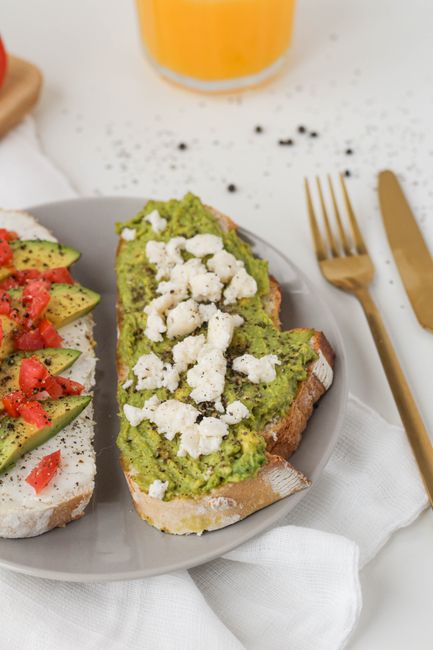
Toss sliced ruby red grapefruit, sweet navel orange segments, and fresh blackberries with a drizzle of honey and a few torn mint leaves. The bright acid cuts through the richness of the cheese and eggs cleanly.
Simple Crisp Green Salad
Serving a light green salad at morning meals is a classic tradition in European cafes. Toss delicate butter lettuce or arugula with a sharp lemon-shallot vinaigrette. The peppery arugula contrasts beautifully with rich custard.
Beverage Pairings
Complement your savory brunch recipes with a range of cold and hot drinks:
- Freshly Brewed Coffee: Medium-roast drip coffee or pour-over with citrusy notes.
- Chilled Sparkling Water: Infused with cucumber slices and fresh lime.
- Classic Mimosas: Equal parts dry prosecco or champagne and fresh-squeezed orange juice.
- Herbal Iced Tea: Unsweetened hibiscus or mint tea served over crushed ice.
Storage and Reheating Guidelines
Leftovers retain their flavor remarkably well, making this dish fantastic for weekday meal prep or feeding house guests over a long weekend.
Refrigeration: Allow the baked strata to cool completely to room temperature. Cover the dish tightly with plastic wrap or transfer individual slices to airtight containers. Store in the refrigerator for up to 4 days.
Freezing: Slice the baked, fully cooled casserole into individual portions. Wrap each portion tightly in parchment paper, then wrap in heavy-duty aluminum foil. Store inside a freezer-safe bag for up to 2 months. Thaw overnight in the refrigerator before reheating.
Reheating Instructions:
- In the Oven (Best Texture): Place slices on a parchment-lined baking sheet, cover loosely with foil, and warm in a preheated 350°F (175°C) oven for 12 to 15 minutes until heated through.
- In the Microwave (Fastest): Place a single slice on a microwave-safe plate. Cover with a damp paper towel to preserve moisture. Heat on high power for 60 to 90 seconds until warm throughout.
Nutrition Information Overview
Understanding the nutritional balance of your meal helps you build a well-rounded plate. This strata offers a solid balance of high-quality protein from eggs and cheese, healthy complex carbohydrates from sourdough bread, and vitamins A and C from fresh baby spinach.
Below is an estimated nutritional breakdown per serving, based on a yield of 8 main-dish portions.
| Nutrient | Amount Per Serving | % Daily Value* |
|---|---|---|
| Calories | 360 kcal | 18% |
| Total Fat | 20 g | 26% |
| Saturated Fat | 10 g | 50% |
| Cholesterol | 215 mg | 72% |
| Sodium | 580 mg | 25% |
| Total Carbohydrates | 26 g | 9% |
| Dietary Fiber | 2 g | 7% |
| Sugars | 5 g | — |
| Protein | 18 g | 36% |
*Percent Daily Values are based on a 2,000 calorie diet. Individual requirements may vary.
Frequently Asked Questions About Brunch Recipes
How far in advance can I assemble a savory strata?
You can assemble this entire dish up to 22 hours before you plan to bake it. Keep it tightly covered in the refrigerator. Assemble it the afternoon or evening before your gathering, store it in the fridge overnight, and simply pop it in the oven the next morning.
What are the best make-ahead brunch recipes for large crowds?
Casseroles, baked stratas, sheet-pan frittatas, and baked French toasts are the undisputed champions of crowd feeding. They eliminate real-time cooking, cook evenly in single large vessels, and stay warm on the counter for up to 30 minutes after baking without losing quality.
How do I prevent my egg casserole from becoming watery?
Watery bakes usually come from high-moisture vegetables like raw spinach, fresh tomatoes, or mushrooms. Always cook out excess water from vegetables before adding them to your layers. Additionally, make sure to dry your bread thoroughly so it absorbs the egg mixture properly instead of expelling liquid.
What is the correct milk-to-egg ratio for a baked egg dish?
A reliable standard ratio for a silky custard set is roughly 1/3 cup of liquid (milk, cream, or half-and-half) per 1 large egg. If you increase the liquid without adding eggs, the bake will fail to set firmly. If you use too few dairy liquids, the result will turn dense and rubbery.
Can I freeze a strata before baking it?
It is generally better to bake the strata completely before freezing. Freezing raw eggs mixed with milk breaks down liquid emulsions, resulting in a grainier custard texture once thawed and baked. Bake the strata fully, let it cool completely, slice it, and freeze individual portions for the best taste and texture.
How do I know when my baked egg strata is finished cooking?
The bake is fully cooked when the center bulges slightly and feels set when touched gently. A thin knife inserted into the middle should emerge clean without wet raw egg attached. If you use an instant-read thermometer, the center should register 160°F (71°C).
Conclusion: Simple Morning Hosting Starts Here
Creating memorable morning meals doesn’t require complex techniques or exhausting kitchen routines. Expanding your collection of make-ahead brunch recipes empowers you to host gatherings with confidence and ease. By prepping ingredients the night before, anchoring your table with a golden Spinach and Gruyère Strata, and serving it alongside simple, fresh sides, you transform a potentially chaotic morning into a relaxing ritual.
Gather your ingredients, dry your sourdough bread, and take your time caramelizing those onions. When morning comes, you will be free to relax, sip your coffee, and genuinely enjoy the company surrounding your table.