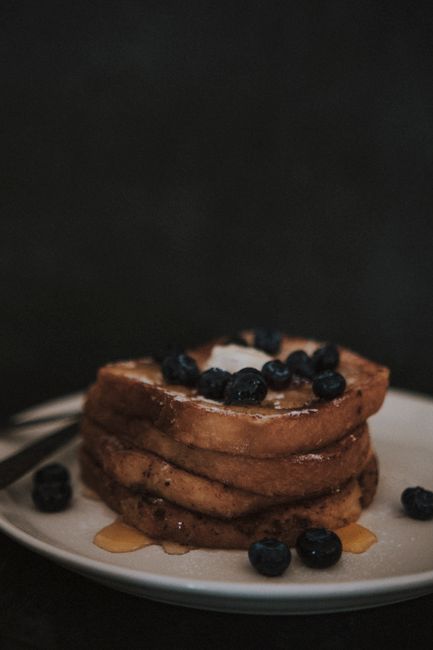
Engaging Introduction
There’s something truly special about the aroma of French toast wafting through the house on a lazy Sunday morning. It’s a dish that brings people together, from the youngest to the oldest, and it’s one of those recipes that feels like a treat without requiring a lot of effort. Whether you’re hosting a brunch or just want to spoil yourself, this French toast recipe is a surefire winner.
Key Takeaways
- French toast is a simple dish that can be elevated with a few key ingredients.
- Using day-old bread helps achieve the perfect texture.
- Spices and extracts can add depth to the flavor profile.
- Proper preparation and cooking techniques ensure a crispy exterior and a soft, custardy interior.
- French toast is versatile and can be customized with various toppings and syrups.
Recipe Overview
This French toast recipe is designed to be easy to follow and adaptable to your taste preferences. It yields a batch of four hearty slices that are perfect for a family of four or a small brunch gathering. The key to a great French toast is in the preparation and the ingredients you choose. Let’s dive into the details so you can create your own delicious version at home.

Ingredients and Ingredient Notes
| Ingredient | Quantity | Notes |
|---|---|---|
| Day-old bread | 4 slices (1-inch thick) | Day-old bread works best as it absorbs the egg mixture better. |
| Eggs | 3 large | Use fresh eggs for the best flavor. |
| Milk | 1 cup (whole milk recommended) | Whole milk adds richness, but you can use any milk you prefer. |
| Vanilla extract | 1 teaspoon | Pure vanilla extract provides the best flavor, but imitation can work in a pinch. |
| Cinnamon | 1/2 teaspoon | Adjust to taste; cinnamon adds a warm, comforting flavor. |
| Nutmeg | 1/4 teaspoon | Grate it fresh if possible for the best aroma. |
| Salt | 1/4 teaspoon | A pinch of salt enhances the overall flavor. |
| Butter | 2 tablespoons | Unsalted butter is preferred for better control over the saltiness. |
| Maple syrup | To taste | Grade A or B maple syrup; Grade B is darker and more flavorful. |
Step-by-Step Cooking Instructions
- Prepare the Bread: If you’re using fresh bread, let it sit out overnight to dry slightly. This helps the bread absorb the egg mixture without becoming soggy.
- Mix the Egg Mixture: In a shallow dish, whisk together the eggs, milk, vanilla extract, cinnamon, nutmeg, and salt until well combined. The mixture should be smooth and free of any lumps.
- Dip the Bread: Dip each slice of bread into the egg mixture, making sure to coat both sides evenly. Allow the bread to soak for about 30 seconds on each side. This ensures that the bread absorbs enough of the mixture to become custardy.
- Cook the French Toast: Heat a non-stick skillet or griddle over medium heat. Add the butter and let it melt, swirling the pan to coat the surface evenly. Place the soaked bread slices in the skillet and cook for about 3-4 minutes on each side, or until they are golden brown and crispy on the outside. Adjust the heat as needed to prevent burning.
- Serve Immediately: Serve the French toast hot, drizzled with maple syrup and topped with your favorite toppings such as fresh berries, whipped cream, or a sprinkle of powdered sugar.
Cooking Tips and Common Mistakes
One of the most common mistakes when making French toast is using bread that is too fresh. Fresh bread tends to fall apart when soaked in the egg mixture, leading to a soggy and unappetizing result. Day-old bread is firmer and can better absorb the mixture without breaking down.
Here are a few more tips to ensure your French toast turns out perfectly every time:
- Don’t over-soak the bread: Soaking the bread for too long can make it mushy. Aim for about 30 seconds on each side.
- Use the right heat: Cooking French toast over high heat can lead to a burnt exterior and a raw interior. Medium heat is ideal for achieving a golden, crispy exterior and a soft, custardy interior.
- Butter the pan: A well-buttered pan prevents the French toast from sticking and adds to the flavor. Make sure the butter is melted and spread evenly across the surface.
- Experiment with flavors: While the classic French toast is delicious, don’t be afraid to add your own twist. Try adding a pinch of cardamom or orange zest to the egg mixture for a unique flavor profile.
Ingredient Substitutions or Variations
If you want to switch things up or accommodate dietary restrictions, here are some ingredient substitutions and variations:
- Bread: Use challah, brioche, or any other dense, sturdy bread. For a gluten-free option, try gluten-free bread or a gluten-free bagel.
- Milk: Substitute with almond milk, soy milk, or oat milk for a dairy-free version.
- Eggs: For a vegan version, use a flaxseed or chia egg mixture. Mix 1 tablespoon of ground flaxseeds or chia seeds with 3 tablespoons of water and let it sit for 5 minutes to thicken.
- Syrup: Instead of maple syrup, try honey, agave nectar, or a fruit compote for a different flavor.
- Toppings: Get creative with toppings! Fresh berries, sliced bananas, whipped cream, or a sprinkle of cinnamon sugar can elevate your French toast to the next level.
Serving Suggestions
French toast is a versatile dish that can be served in many ways. Here are a few serving suggestions to make your French toast even more enjoyable:
- Classic Toppings: Drizzle with maple syrup and top with a pat of butter. Fresh berries, sliced bananas, and a sprinkle of powdered sugar are always a hit.
- Caramelized Apples: Slice apples and cook them in a bit of butter and brown sugar until caramelized. Serve the apples over the French toast for a warm, comforting treat.
- Savory Version: For a savory twist, omit the cinnamon and nutmeg from the egg mixture. Top the French toast with sautéed mushrooms, spinach, and a poached egg for a brunch favorite.
- French Toast Casserole: Layer the soaked bread slices in a baking dish, top with a mixture of eggs, milk, and your choice of mix-ins (like chopped nuts or dried fruit), and bake in the oven. This is a great make-ahead option for a crowd.
Storage and Reheating
French toast is best served fresh, but if you have leftovers, they can be stored and reheated. Here’s how:
- Storage: Allow the French toast to cool completely, then store it in an airtight container in the refrigerator for up to 3 days.
- Reheating: To reheat, place the French toast in a 350°F oven for 5-10 minutes, or until warmed through. For a quicker method, microwave the French toast for 30-45 seconds, but be aware that it may become less crispy.
Nutrition Information
| Nutrient | Per Serving |
|---|---|
| Calories | Approx. 350 kcal |
| Protein | 12 g |
| Carbohydrates | 45 g |
| Fat | 14 g |
| Fiber | 7 g |
| Sugar | 5 g |
| Sodium | 400 mg |
FAQ
What kind of bread is best for French toast?
Day-old bread, such as challah, brioche, or a sturdy white bread, works best for French toast. The slightly stale bread is firmer and can absorb the egg mixture without becoming too soggy.
Can I use any type of milk for French toast?
Yes, you can use any type of milk you prefer. Whole milk adds richness, but skim milk, almond milk, soy milk, or oat milk can also be used for a lighter or dairy-free version.
How long should I soak the bread in the egg mixture?
Soak each slice of bread in the egg mixture for about 30 seconds on each side. This ensures that the bread absorbs enough of the mixture to become custardy without becoming mushy.
Can I make French toast ahead of time?
Yes, you can prepare the bread slices and the egg mixture the night before. Soak the bread in the mixture, cover it, and refrigerate it overnight. In the morning, simply cook the French toast as you would with fresh bread.
What can I do with leftover French toast?
Leftover French toast can be stored in the refrigerator for up to 3 days. Reheat it in the oven or microwave. You can also use leftover French toast to make a French toast casserole or bread pudding.
Conclusion
Making French toast is a delightful way to start your day, and with this recipe, you can create a dish that is both comforting and delicious. Whether you’re a seasoned chef or a beginner in the kitchen, the key to perfect French toast lies in the quality of your ingredients and the care you take in preparation. Experiment with different toppings and variations to find your favorite way to enjoy this classic breakfast treat. So, gather your ingredients, fire up the stove, and get ready to treat yourself to a homemade French toast that will make your mornings a little brighter.