Authentic Crispy Pork Carnitas Tacos: Master Classic Street Food at Home

The Chemistry and Craft of Exceptional Street Food Recipes
Walk down any lively evening market street in Mexico City, Mumbai, or Bangkok, and the first thing that hits you isn’t the sight of food—it’s the sizzle of fat on carbon steel and the intoxicating aroma of charred meat, warm spices, and caramelizing citrus. Street food recipes represent cooking distilled to its purest form. When vendors work out of compact carts, every single action matters. There’s no space for useless gadgetry or pretentious plating; the flavor must be immediate, vibrant, and completely unforgettable.
Replicating authentic street food recipes at home isn’t about owning commercial equipment. It comes down to understanding the core culinary principles that make street vendors so successful: high-heat searing, deliberate acid balance, generous seasoning, and contrasting textures. In this detailed guide, we are diving deep into one of the world’s most iconic street foods: Mexican Pork Carnitas Street Tacos. You’ll master how to braise marbled pork until spoon-tender, render its rendered fat down, and crisp the edges to golden perfection right in your home kitchen.
Key Takeaways for Cooking Street Food at Home
- Fat equals flavor retention: High-heat street cooking relies on fat to transfer heat rapidly while sealing in moisture and carrying fat-soluble aromatic compounds.
- Double tortilla technique: Traditional street tacos use two warm corn tortillas per taco to structural integrity against heavy juices and toppings.
- Layered acidity is non-negotiable: Counteract rich meats with immediate acidity like freshly squeezed lime juice, pickled red onions, or punchy salsa verde.
- Thermal mass matters: Use cast iron or heavy-bottomed Dutch ovens to mimic the heavy copper cauldrons (cazos) used by professional street vendors.
- High heat finishing: Never skip the final crisping stage. Carnitas must be cooked twice—first slow-braised until tender, then seared hot to create crispy, caramelized edges.
Recipe Overview
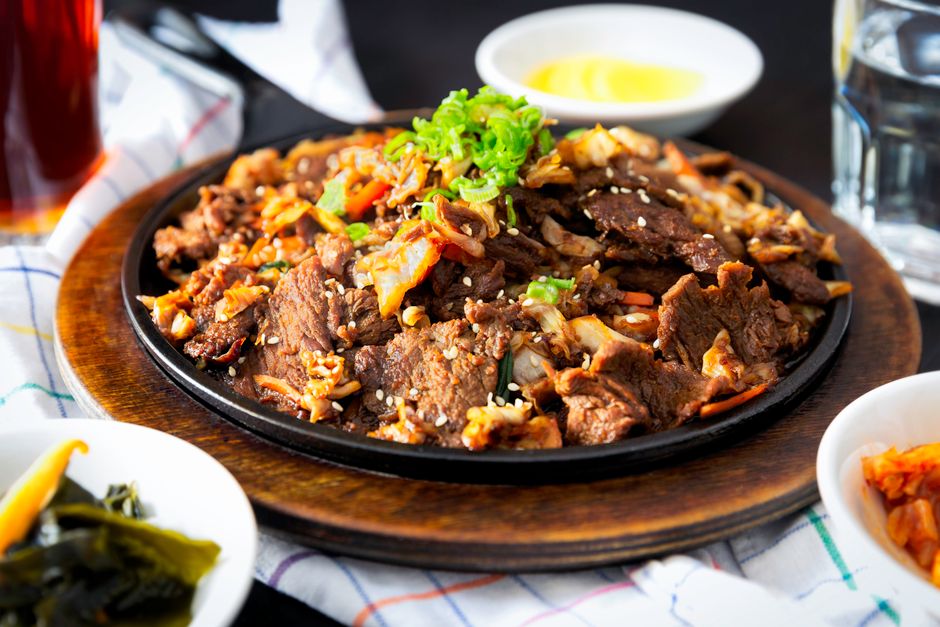
Carnitas, literally meaning “little meats,” originate from the Mexican state of Michoacán. Traditional street taqueros simmer pork in pure lard inside large copper pots alongside orange juice, garlic, and warm spices for hours. Once tender, the meat is shredded and allowed to fry in its rendered fat until the surfaces turn golden brown while the interior remains melt-in-your-mouth tender.


Our home adaptation preserves every ounce of that traditional flavor. We braise a heavily seasoned pork shoulder with fresh citrus peel, orange juice, garlic, cumin, oregano, and a touch of cinnamon in a closed Dutch oven. Once braised, we reduce the cooking liquid into a concentrated glaze, toss the shredded meat back into it, and broil or pan-sear it to achieve those signature caramelized edges essential to great street food recipes.
| Street Food Style | Primary Protein | Cooking Vessel | Signature Technique | Key Flavor Profile |
|---|---|---|---|---|
| Mexican Carnitas Tacos | Pork Shoulder | Copper Cazo / Dutch Oven | Slow braise, high-heat lard crisp | Savory, citrus, warm spice, crispy |
| Middle Eastern Shawarma | Chicken Thighs / Lamb | Vertical Spit / Cast Iron | Layered fat marination, thin shaving | Garlic, cumin, coriander, smoky char |
| Thai Pad Kra Pao | Ground Pork / Beef | Carbon Steel Wok | Flash frying in screaming hot oil | Holy basil, fish sauce, intense chili |
| Indian Kathi Roll | Marinated Paneer / Chicken | Tawa Flat Griddle | Skillet charring, paratha wrapping | Garam masala, tangy chutney, green chili |
Ingredients and Ingredient Notes
To replicate authentic street food recipes like these carnitas, using the right cuts and aromatics is vital. Skimping on fat or using overly lean meat will result in dry pork that lacks that signature street-stall mouthfeel.
- Pork Shoulder (Pork Butt): Choose a bone-in or boneless pork shoulder with generous intramuscular fat and marbling. Avoid pork loin entirely—it is far too lean and turns dry during long cooking processes.
- Rendered Lard or Neutral Oil: Authenticity calls for pork lard (manteca), which provides a subtle richness. High-smoke-point neutral oil like vegetable or avocado oil works if lard isn’t available.
- Fresh Orange Juice and Peel: Freshly squeezed navel orange juice introduces mild sugar for caramelization, while strips of orange peel release aromatic citrus oils into the fat.
- Lime Juice: Brightens the heavy flavors and helps tenderize the meat fibers.
- Garlic Cloves: Crushed whole cloves infuse the braising fat continuously without burning.
- Spices: Ground cumin, Mexican oregano (which has vibrant citrus and floral notes compared to Mediterranean oregano), kosher salt, cracked black pepper, and a small piece of Mexican cinnamon stick (canela).
- Bay Leaves: Adds a subtle herbal backbone to the braising liquid.
- Small Corn Tortillas: Look for 4-inch to 5-inch yellow or white corn tortillas. Warm them thoroughly before serving so they bend without breaking.
- Fresh Toppings: Finely diced yellow onion, fresh cilantro leaves, fresh radishes, lime wedges, and vibrant salsa verde or salsa roja.
Step-by-Step Cooking Instructions
Step 1: Prep and Season the Pork
Pat the pork shoulder dry with paper towels. Cut the pork into large 2-inch cubes. Keep the fat caps attached; they will render down during cooking to give you rich frying fat later. In a small bowl, combine 2 teaspoons of kosher salt, 1 teaspoon of freshly cracked black pepper, 1 teaspoon of ground cumin, and 1 teaspoon of dried Mexican oregano. Rub this spice blend evenly over all sides of the pork cubes.
Step 2: Sear and Layer Flavors
Preheat your oven to 300°F (150°C). Heat 2 tablespoons of lard or neutral oil in a large, heavy Dutch oven over medium-high heat. Add the seasoned pork pieces in a single layer (work in batches if necessary to avoid crowding the pan). Sear the meat for 3 to 4 minutes on two sides until a light brown crust forms. Turn off the stovetop heat.
Step 3: Add Aromatics and Liquid
Pour in 1/2 cup of freshly squeezed orange juice and 2 tablespoons of lime juice. Toss in 6 crushed garlic cloves, 3 wide strips of orange peel (avoiding the bitter white pith), 2 bay leaves, and 1 small piece of Mexican cinnamon stick. Add enough water or low-sodium chicken broth (usually about 1/2 to 3/4 cup) so the meat is about two-thirds submerged in liquid. Cover the Dutch oven tightly with a lid.
Step 4: Slow Braise
Transfer the covered Dutch oven to the preheated oven. Bake for 2 hours to 2.5 hours. Check the pork at the 2-hour mark: the meat should yield completely when pressed with a fork, pulling apart with zero resistance. If it feels tough, cover and return it to the oven for another 20 to 30 minutes.
Step 5: Shred and Reduce Liquid
Using tongs, transfer the braised pork pieces to a large rimmed baking sheet or rimmed platter, leaving the liquid behind in the Dutch oven. Discard the bay leaves, orange peels, and cinnamon stick. Shred the pork coarse-style using two forks; keep the pieces relatively large so they don’t turn mushy. Strain the pan juices into a heatproof bowl and let the fat settle at the top. Skim off 3 tablespoons of that rendered pork fat and set it aside. Boil the remaining cooking juices in the pot over medium-high heat until reduced to a thick, savory syrup (about 1/3 cup total volume).
Step 6: High-Heat Crisping (The Street Food Secret)
Turn your oven broiler to high setting with the rack positioned 6 inches below the heating element. Drizzle the reserved pork fat and the reduced pan juice glaze over the shredded meat on the baking sheet, tossing gently to coat. Spread the pork into an even single layer. Broil for 4 to 6 minutes until the tips of the meat are dark golden brown and crispy. Remove from the oven, toss the meat gently to expose undercooked sides, and broil for an additional 3 to 4 minutes. Alternatively, pan-fry the shredded meat in a screaming hot cast-iron skillet with a tablespoon of lard for 3 minutes without disturbing it until a dark crust forms on the bottom.
Step 7: Warm Tortillas and Assemble
Heat a dry cast-iron skillet or flat griddle over medium-high heat. Heat corn tortillas for 30 to 45 seconds per side until warm, pliable, and slightly charred in spots. Stack two warm tortillas per taco. Mound a generous forkful of crispy carnitas onto the tortillas, topped with finely diced yellow onion, chopped cilantro, a drizzle of salsa verde, and a squeeze of fresh lime juice.
Street food cooking is all about thermal contrast and immediate seasoning. Never assemble a taco on a lukewarm tortilla; the high heat of the griddle wakes up the corn aroma, making the tortilla structural enough to carry rich meats without breaking apart.
Cooking Tips and Common Mistakes
- Mistake 1: Trimming off all the pork fat. Pork shoulder fat is crucial for this recipe. As it braises, the fat melts down into liquid gold that essentially deep-fries the meat during the final step. Trimming off all the fat leaves you with dry pork chop chunks.
- Mistake 2: Crowding the tray during the crisping step. If you pile shredded pork three layers deep on your pan, the steam trapped underneath will soften the edges instead of letting them crisp up. Spread the meat loosely across a wide baking sheet.
- Mistake 3: Skipping the dual-tortilla method. Street tacos use two tortillas for good reason: corn tortillas soften quickly once hot meat and fresh salsa hit them. Two tortillas keep your taco structural and prevent breaking.
- Mistake 4: Using dry herbs without crushing them. Rub dried oregano between the palms of your hands before adding it to seasonings to wake up stored essential oils.
Ingredient Substitutions and Variations
Adapt this basic formula to suit available kitchen pantry staples or personal dietary choices while preserving the iconic flavor profile of classic street food recipes:
- Crispy Chicken Street Tacos: Replace pork shoulder with skin-on, bone-in chicken thighs. Reduce the braising time to 45 minutes, then shred and crisp the chicken under the broiler with its rendered fat.
- Instant Pot / Pressure Cooker Method: Pressure cook the seasoned pork shoulder, aromatics, and juices on high pressure for 45 minutes. Allow a natural pressure release for 15 minutes, then shred the pork and crisp it under a high broiler or in a cast-iron skillet.
- Beef Birria Style Variation: Add dried guajillo and ancho chilies (rehydrated and blended with tomato and beef broth) to the braise to turn this recipe into deep red, savory beef street tacos.
- Tortilla Alternative: While corn tortillas are authentic for carnitas street food recipes, warm flour tortillas or warm pita bread work well if corn tortillas are hard to source.
Serving Suggestions
Authentic street food recipes come alive through vibrant condiments and side dishes that balance rich proteins:
- Quick Pickled Red Onions: Slice thin red onions and steep them in equal parts lime juice and white vinegar with a pinch of salt and dried oregano for 30 minutes. The tangy red onions cut through rich carnitas pork fat delightfully.
- Mexican Street Corn (Elote or Esquites): Serve alongside charred corn on the cob slathered with mayonnaise, cotija cheese, chili powder, and fresh cilantro.
- Fresh Salsa Verde: Blend roasted tomattillos, jalapenos, garlic, cilantro, and lime juice for a punchy green salsa.
- Cold Beverages: Pair your street tacos with ice-cold Mexican lager, fresh horchata, or tangy hibiscus agua fresca (jamaica).
Storage and Reheating
Carnitas are one of those rare street food recipes that taste even better the following day as the meat continues to absorb spices and citrus notes in the fridge.
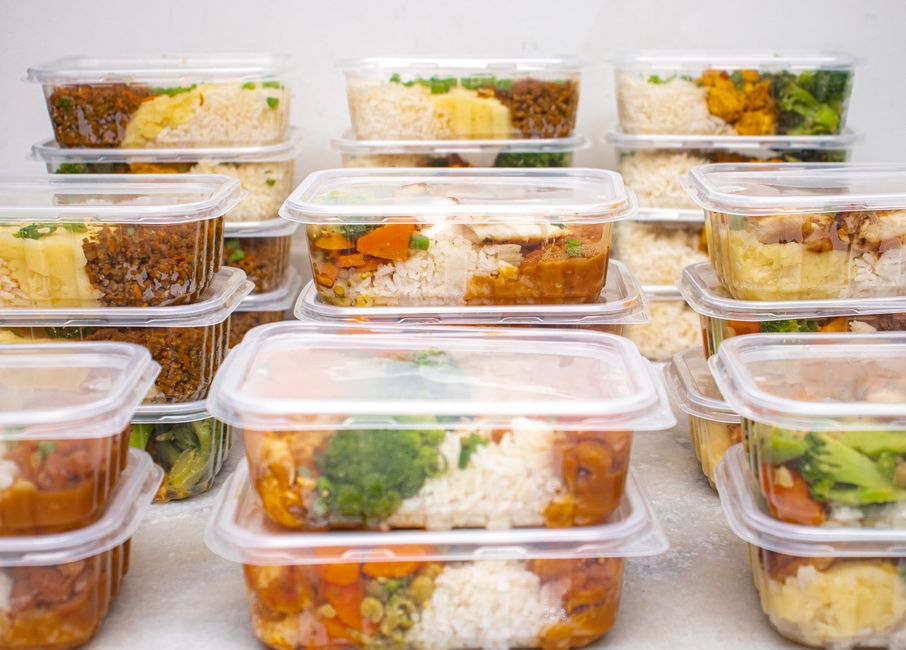
- Refrigeration: Store cooked carnitas in an airtight container in the refrigerator for up to 4 days. Store toppings separately.
- Freezing: Braised, shredded pork (before the final crisping step) freezes exceptionally well. Seal in freezer bags with a little bit of pan juice for up to 3 months. Thaw overnight in the fridge before crisping.
- Reheating for maximum crispness: Avoid microwave reheating if possible, as it turns the meat rubbery. Reheat carnitas in a hot cast-iron skillet over medium-high heat with a drop of oil or lard for 4 to 5 minutes until heated through and crisp on the edges. Alternatively, spread onto a pan and pop under a high broiler for 3 to 4 minutes.
Nutrition Information
The following nutrition breakdown provides an approximate estimate per serving (assuming 3 street tacos per serving, using two small corn tortillas per taco and standard toppings).
| Nutrient | Amount Per Serving (3 Tacos) |
|---|---|
| Calories | Approx. 520 kcal |
| Protein | 34 g |
| Carbohydrates | 42 g |
| Fat | 24 g |
| Saturated Fat | 8 g |
| Fiber | 6 g |
| Sugar | 4 g |
| Sodium | 680 mg |
Frequently Asked Questions
Why do street food recipes taste better than regular homemade versions?
Street vendors cook in high volumes using heavily seasoned cookware (like cast iron flat-tops or copper vats) that build up incredible flavor over time. Additionally, street food recipes do not shy away from high heat and fat, creating intense Maillard reaction browning alongside high contrast toppings like fresh acid and raw onions.
Can I make carnitas in a slow cooker?
Yes. Add seasoned pork and aromatics to your slow cooker without adding extra water (the pork will release plenty of juice). Cook on LOW for 7 to 8 hours or HIGH for 4 to 5 hours until tender. Shred the pork, transfer to a sheet tray with reduced juices, and broil under high heat to get those essential crispy edges.
What cut of meat is best for Mexican street tacos?
Pork shoulder (also labeled pork butt or Boston butt) is the undisputed gold standard for carnitas. It features the ideal balance of lean muscle tissue, connective tissue, and fat. Connective tissue melts down into gelatin during slow cooking to yield tender meat, while the fat keeps everything moist during high-heat crisping.
Why do street taco vendors use two tortillas instead of one?
Street tacos are served piping hot and packed with moist meat, fresh salsas, and lime juices. Single corn tortillas soften rapidly and tear apart under moisture. Using two thin tortillas provides structural integrity so you can eat your taco cleanly on the go without the bottom blowing out.
How do I make corn tortillas pliable so they don’t break when folded?
Cold corn tortillas break easily. To make them soft and pliable, heat them on a hot dry griddle or skillet for 30 to 45 seconds per side until warm and slightly puffed. Alternatively, wrap a stack of 6 to 8 tortillas in damp paper towels and microwave on high for 30 to 45 seconds, then keep them wrapped in a clean cloth towel until ready to serve.
Conclusion
Bringing authentic street food recipes into your home kitchen isn’t complicated—it just requires patience during the slow braise and courage during the high-heat crisping finish. These crispy pork carnitas street tacos demonstrate why street vendors are master cooks: simple, high-quality ingredients transformed by fat, heat, and bold acids into something truly extraordinary. Gather your ingredients, warm up your cast iron pan, and enjoy restaurant-quality street tacos right from your own stove.