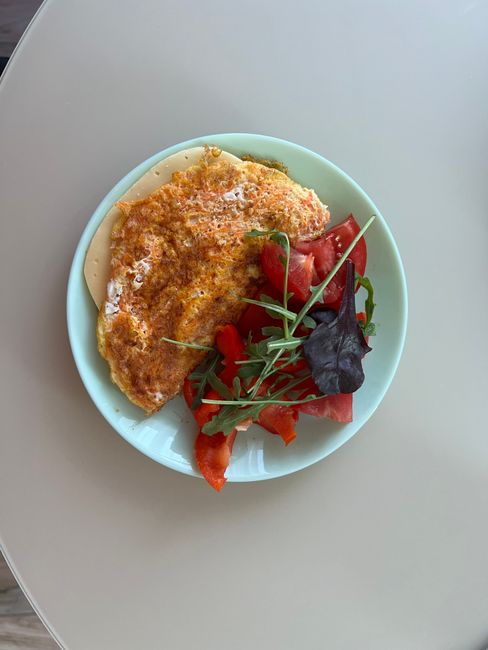
Mastering the Art of the Simple Omelette
Cooking eggs is often considered one of the truest tests of foundational culinary skill. Among the various ways to prepare them, mastering a classic easy omelette recipe offers unmatched flexibility and satisfaction in the kitchen. Whether you are preparing a quick weekday breakfast or a lazy weekend brunch, understanding the basic mechanics of heat control, egg emulsion, and pan movement transforms simple ingredients into a luxurious meal.
A classic French-style omelette features a smooth, pale yellow exterior with no browning, holding a tender, creamy center that softly folds over itself. While it looks refined on a plate, the process requires only three primary ingredients: fresh eggs, good quality butter, and a touch of salt. Once you understand how eggs behave under mild heat, you can repeat this technique consistently and customize fillings to match whatever ingredients you have on hand.
Key Takeaways
- Temperature Control: Medium-low heat prevents the eggs from browning or turning rubbery, keeping the texture soft and custard-like.
- Pan Choice: An 8-inch nonstick skillet or well-seasoned carbon steel pan ensures effortless sliding and clean folding.
- Proper Whisking: Whisking eggs thoroughly until uniform prevents distinct pockets of white from separating during cooking.
- Timing Fillings: Pre-cook damp ingredients like mushrooms or spinach and warm cheeses before adding them so the omelette cooks evenly without watering down.
- Gentle Agitation: Moving the pan in small circles while stirring creating small curds, resulting in a delicate internal texture.
Understanding the Essentials of Egg Cookery
Eggs consist almost entirely of water and protein. As egg proteins heat up, they uncoil and bond together, trapping water molecules to form a solid structure. When exposed to high heat, these protein bonds tighten too quickly, squeezing out moisture and creating a dry, tough texture. To achieve a soft, pliable fold, maintaining controlled heat is essential.
When executing an easy omelette recipe, butter plays two vital roles: flavor and thermal protection. As butter melts in the skillet, its water content evaporates, leaving behind milk fats that coat the pan surface. This fat creates a physical barrier that stops the eggs from sticking while providing a visual indicator of pan temperature. If the butter foams gently without changing color, the heat is just right. If it turns brown or smokes, the pan is too hot and needs a moment to cool off before you pour in the beaten eggs.
Ingredients and Preparation Notes
Because an omelette relies on so few components, quality matters. Starting with fresh, large eggs gives you the proper volume and structure needed for a tender fold.
- Eggs: Use three large eggs at room temperature if possible. Cold eggs drop the pan temperature sharply, which can interfere with smooth curling.
- Butter: Unsalted butter allows you to control the exact sodium level. One tablespoon provides sufficient lubrication and richness for an 8-inch pan.
- Salt: Fine kosher salt dissolves quickly into the raw egg mixture, seasoning it evenly throughout.
- Fresh Herbs: Finely chopped fresh chives, parsley, or tarragon add brightness and color without adding excess moisture.
- Fillings (Optional): Finely shredded cheese like Gruyère, sharp Cheddar, or mild Fontina melts rapidly into the soft curds.
Step-by-Step Cooking Guide
- Crack and Whisk: Crack three large eggs into a small glass bowl. Add a tiny pinch of fine salt. Whisk vigorously with a fork for roughly 30 to 45 seconds until the whites and yolks are fully combined into a uniform yellow liquid without streaks.
- Preheat the Pan: Place an 8-inch nonstick skillet over medium-low heat. Add one tablespoon of unsalted butter and let it melt slowly. Swirl the pan so the butter coats the bottom and sides evenly.
- Check the Foam: Wait until the butter stops foaming and starts to sizzle gently, ensuring it does not turn brown.
- Pour the Eggs: Pour the whisked eggs directly into the center of the skillet.
- Form Curds: Immediately begin moving the pan in small circular motion while using a heatproof silicone spatula to stir the eggs in rapid circles. This creates tiny, delicate curds throughout the pan.
- Set the Base: As the liquid egg begins to thicken (after about 60 to 90 seconds), stop stirring. Use the spatula to sweep along the edges, letting any remaining liquid run to the outer perimeter. The surface should still look slightly damp and glossy, not completely dry.
- Add Fillings: If using cheese or pre-cooked vegetables, scatter them in a thin line across the center third of the egg base.
- Fold and Serve: Tilt the pan gently away from you. Use your spatula to fold the upper edge of the omelette down toward the middle. Slide the edge out onto a warm plate, flipping the bottom third over as it lands so the omelette sits neatly rolled with the seam underneath. Rub a light touch of extra butter across the top for gloss, scatter chopped chives, and serve immediately.
Pan Dynamics and Heat Calibration
Choosing the correct equipment makes a substantial difference in outcome. An 8-inch skillet provides the precise surface area required for a three-egg mixture. If the pan is too large, the egg layer spreads out too thinly, overcooking almost instantly into a flat sheet. If the pan is too small, the egg layer becomes too thick, leaving the center raw while the bottom overcooks.
| Pan Size | Egg Quantity | Heat Setting | Primary Texture Goal |
|---|---|---|---|
| 6-inch skillet | 2 Large Eggs | Low | Thick, extra creamy, compact fold |
| 8-inch skillet | 3 Large Eggs | Medium-Low | Balanced layer, soft interior, quick fold |
| 10-inch skillet | 4 Large Eggs | Medium-Low | Wider surface, ideal for heavier fillings |
Editorial Tip: Pan temperature is the ultimate variable when making an easy omelette recipe. If your butter browns immediately upon hitting the skillet, remove the pan from heat for 30 seconds before proceeding. You want gentle heat that coaxes the proteins to set softly rather than searing them crisp.
Cooking Tips and Common Errors to Avoid
Even seasoned home cooks occasionally encounter minor issues when cooking eggs. Here are the most frequent pitfalls and how to prevent them:
- Over-whisking too far in advance: Salting and whisking eggs hours ahead of time can break down their structure and turn them thin. Whisk right before pouring them into the heated pan.
- Using High Heat: High temperature browns the exterior quickly and produces sulfurous notes. Keep the burner set to medium-low.
- Overloading Fillings: Adding more than two to three tablespoons of heavy fillings weighs down the eggs, making it impossible to fold cleanly without tearing the structure.
- Adding Wet Fillings Raw: Vegetables like mushrooms, tomatoes, and spinach release water when heated. Always sauté and drain wet ingredients thoroughly before adding them to your cooked egg surface.
Variations and Flavor Combinations
Once you feel comfortable with the standard technique, you can easily adapt this easy omelette recipe to showcase different flavor profiles across various cultures and traditions.
1. Classic French Fine Herbs
Combine equal parts finely minced parsley, chives, tarragon, and chervil. Stir half of the herb mixture directly into the raw eggs before cooking, then sprinkle the remaining fresh herbs across the finished top layer with a light glaze of melted butter.
2. Alpine Cheese and Mushroom
Sauté sliced cremini mushrooms in butter until all their liquid evaporates and their edges turn golden brown. Season with a touch of thyme. Scatter the mushrooms and finely shredded Gruyère cheese over the soft curds right before rolling.
3. Mediterranean Spinach and Feta
Wilting fresh baby spinach leaves in olive oil and squeezing out excess moisture creates an incredible filling. Pair the drained spinach with crumbled sheep’s milk feta cheese and a dash of freshly grated nutmeg for an aromatic, savory breakfast fold.
4. Smoked Salmon and Dill
For an elevated brunch, scatter thin ribbons of cold-smoked salmon, fresh dill, and small dollops of softened cream cheese or crème fraîche down the center of the soft egg base just before rolling.
Serving Suggestions
A classic omelette pairs nicely with simple, rustic sides that complement its rich texture without overwhelming the plate.
- Crusty Bread: Warm, thick slices of toasted sourdough or a fresh French baguette spread with salted butter are perfect for mopping up any warm, soft curds.
- Simple Green Salad: Crisp butter lettuce or delicate baby arugula tossed in a simple lemon vinaigrette provides bright acidity that balances the rich egg and butter profile.
- Roasted Tomatoes: Slow-roasted cherry tomatoes cooked with olive oil and garlic add sweetness and juiciness alongside the savory folded eggs.
- Fresh Berries: A side of fresh raspberries, blackberries, or sliced strawberries offers a clean finish to a satisfying morning meal.
Storage and Reheating Guidelines
Freshly cooked eggs are always best consumed immediately out of the pan. However, if you have leftover omelette portions, store them safely to preserve their soft texture as much as possible.
- Refrigeration: Allow the omelette to cool to room temperature, then place it into an airtight container. Refrigerate within two hours of cooking and consume within 24 to 48 hours.
- Reheating on the Stovetop: Heat a nonstick skillet over very low heat with a tiny teaspoon of butter. Place the omelette in the pan, cover tightly with a lid, and warm gently for 2 to 3 minutes until heated through without further browning.
- Microwave Reheating: If using a microwave, place the portion on a microwave-safe plate and cover it with a damp paper towel. Warm at 50% power in 20-second bursts to avoid making the protein structure tough and rubbery.
Nutritional Overview
Eggs are a dense source of natural nutrition, providing high-quality protein along with key micronutrients like choline, vitamin B12, and selenium. Below is an approximate estimate of the nutritional breakdown for one three-egg omelette cooked with one tablespoon of unsalted butter and two tablespoons of shredded Gruyère cheese.
| Nutrient | Amount Per Serving | % Daily Value |
|---|---|---|
| Calories | ~380 kcal | 19% |
| Protein | 23 g | 46% |
| Total Fat | 31 g | 40% |
| Saturated Fat | 15 g | 75% |
| Carbohydrates | 2 g | 1% |
| Dietary Fiber | 0 g | 0% |
| Sodium | 380 mg | 16% |
| Cholesterol | 585 mg | 195% |
Frequently Asked Questions
What size pan works best for a 3-egg omelette?
An 8-inch nonstick skillet is the ideal size for a standard 3-egg omelette. It provides enough surface area for the eggs to spread out thinly enough to cook quickly while keeping the center soft and easy to fold cleanly.
Should I add milk or water to my egg mixture?
Adding liquid is not necessary for a classic French-style fold. Plain whisked eggs produce the most silky, velvety texture. Adding water generates steam, which can fluff up the eggs into a firmer, Western-style texture, while milk can cause the exterior to brown prematurely due to natural milk sugars.
Why did my omelette turn brown and rubbery?
Browning occurs when the heat is too high or the eggs remain in contact with the pan surface for too long. Keep your stove set to medium-low heat, stir continuously at the start to build fine curds, and remove or roll the omelette while the top still looks soft and glossy.
Can I make an easy omelette recipe without butter?
Yes, you can substitute butter with extra virgin olive oil or neutral cooking oil. However, butter provides a rich flavor and forms a helpful foam layer that indicates when your pan has reached the right temperature.
When is the right moment to add cheese or fillings?
Add pre-cooked, warm fillings right when the base of the egg has set but the top surface remains moist and slightly wet. This ensures the heat from the egg melts cheese effectively without overcooking the overall layer.
How do I slide the omelette cleanly onto the plate?
Tilt the skillet at a 45-degree angle over your serving plate. Use a silicone spatula to guide the top folded edge downward, allowing the weight of the egg layer to roll itself over onto the plate seam-side down.
Final Thoughts
Learning how to execute a quick, simple egg fold is one of the most rewarding techniques you can build in your daily routine. With an 8-inch nonstick pan, fresh eggs, and a light hand on the burner control, you can prepare a satisfying meal in less time than it takes to brew a fresh pot of coffee. Practice the movement, pay close attention to heat levels, and enjoy customizing your morning plate with simple, wholesome fillings.