Nourishing Healthy Breakfast Ideas: Savory Sweet Potato and Kale Egg Hash Guide

Rethinking Morning Nutrition: Beyond Grab-and-Go Clichés
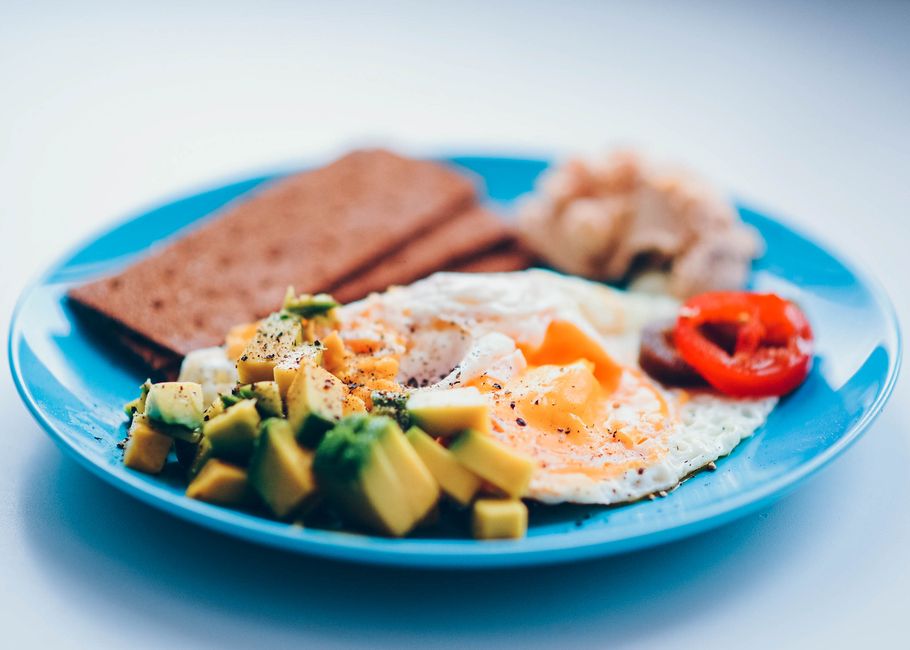
Mornings are often chaotic, leaving little time to assemble a meal that feels intentional. Standard options tend to swing between two extremes: sugary processed pastries that lead to an early morning mid-day energy crash, or hyper-restrictive diet meals that leave you reaching for snacks by ten o’clock. Building reliable, healthy breakfast ideas isn’t about rigid rules or complicated culinary techniques. It comes down to combining sustained energy sources with satisfying flavors so you actually look forward to eating well.
When you focus on pairing complex carbohydrates with lean proteins and healthy fats, morning meal decisions become far simpler. A balanced dish regulates glucose release, supports cognitive focus throughout your early meetings, and prevents frantic pre-lunch hunger. Whether you prefer a quick skillet meal cooked fresh or components prepped over the weekend, having a steady rotation of nutrient-dense options changes the rhythm of your entire day.
In this guide, we’ll examine what makes a morning meal functionally balanced, compare popular breakfast formats, and walk through a step-by-step recipe for a savory sweet potato, kale, and egg skillet hash that works equally well for family breakfasts or weekday meal prep.


Key Takeaways
- Prioritize Protein and Fiber: Combining at least 15 grams of protein with dietary fiber slows digestion and maintains steady energy levels.
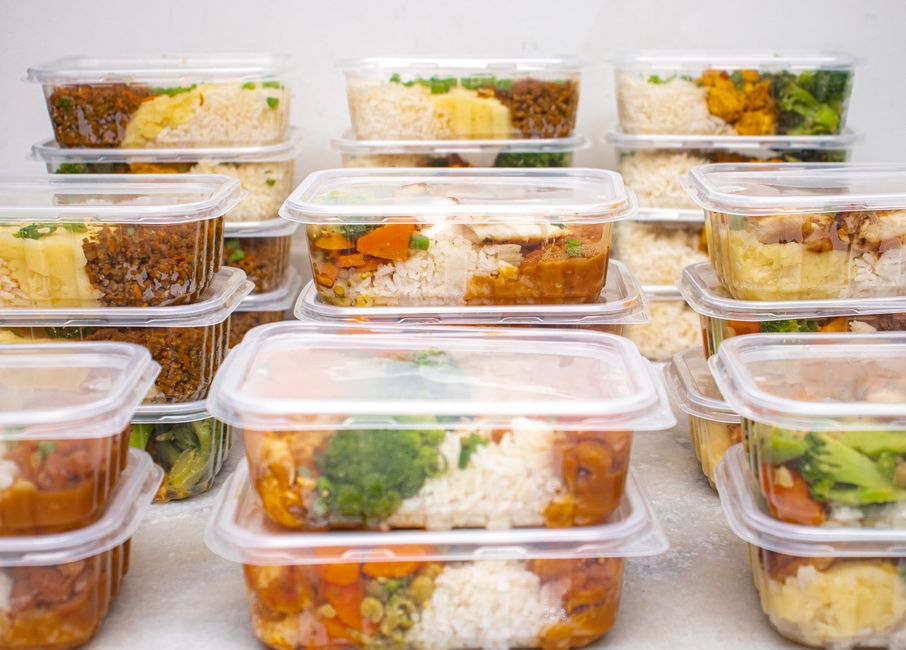
- Prep Components Ahead: Dice root vegetables and wash greens over the weekend to reduce active cooking time on weekday mornings to under fifteen minutes.
- Embrace Skillet Meals: Single-pan hash recipes maximize flavor through caramelization while minimizing cleanup.
- Balance Your Fats: Use heat-stable fats like olive oil for roasting and frying, finishing with fresh avocado for texture and unsaturated fats.
- Adapt to Your Pantry: Master basic skillet ratios so you can substitute whatever seasonal vegetables or greens you have in your crisp drawer.
The Anatomy of a Balanced Morning Meal
To design healthy breakfast ideas that actually sustain you, it helps to understand how different macronutrients work together during early hours. Carbohydrates supply quick energy for your brain and muscles, but refined carbs digest rapidly, causing blood sugar spikes followed by steep drops. Carbohydrates rich in fiber—such as sweet potatoes, oats, whole grains, and berries—take longer to break down, releasing glucose gradually into your bloodstream.
Protein plays a crucial secondary role by stimulating satiety hormones and supporting muscle maintenance. Eggs, Greek yogurt, cottage cheese, tofu, and legumes are versatile proteins that easily integrate into early schedules. When you combine fiber and protein with a source of dietary fat—like extra virgin olive oil, nuts, seeds, or avocado—you delay gastric emptying even further. The result is consistent physical stamina and mental clarity without the mid-morning slump.
Comparing Morning Meal Structures
Different morning routines require different culinary strategies. The table below compares common breakfast categories based on preparation effort, storage durability, and macro balance to help you select the best approach for your schedule.
| Breakfast Type | Prep Effort | Advance Storage | Primary Strengths | Best For |
|---|---|---|---|---|
| Savory Skillet Hash | Moderate (25–30 mins) | 4–5 Days (veg base) | High protein, rich fiber, warm & comforting | Leisurely mornings or batch prep |
| Overnight Oats & Chia | Low (5–10 mins) | 3–4 Days | No cooking required, high soluble fiber | Grab-and-go weekday rush |
| Egg & Vegetable Muffins | Moderate (30 mins) | 4–5 Days (Freezable) | Portion-controlled, high protein | Busy families and portable eating |
| Greek Yogurt Bowls | Minimal (5 mins) | Assemble fresh | Probiotic-rich, zero cook time |
Recipe Overview: Savory Sweet Potato and Kale Egg Hash
This savory sweet potato and kale egg hash serves as an anchor dish for anyone building a repertoire of healthy breakfast ideas. Sweet potatoes provide a naturally sweet, starch-rich base loaded with beta-carotene, while hearty kale adds earthy flavor, dark leafy nutrients, and texture. Sautéed onions, bell peppers, garlic, and warm spices create a rich aromatic foundation, and eggs baked directly in pockets within the hash finish cooking in the oven or under a lid.
This recipe yields four generous portions and takes approximately 35 minutes total, with only 15 minutes of active prep time. It’s naturally gluten-free and easily adapted for dairy-free or plant-based diets.
Ingredients & Ingredient Notes
- Sweet Potatoes: 2 medium sweet potatoes (about 1 pound total), peeled and cut into small 1/2-inch cubes. Uniform cutting ensures even cooking without burnt edges.
- Olive Oil: 2 tablespoons extra virgin olive oil, divided. Used to caramelize the potatoes and soften the aromatics.
- Yellow Onion: 1 medium onion, diced. Adds foundational sweetness and depth.
- Red Bell Pepper: 1 medium pepper, seeded and diced. Brings color, mild crunch, and vitamin C.
- Garlic: 2 cloves, minced fine. Adds garlic undertones; adjust according to preference.
- Lacinato Kale: 2 cups finely chopped, ribs removed. Lacinato (Tuscan) kale holds its structure well without turning mushy.
- Spices: 1 teaspoon smoked paprika, 1/2 teaspoon ground cumin, 1/2 teaspoon fine sea salt, and 1/4 teaspoon freshly cracked black pepper.
- Eggs: 4 large free-range eggs.
- Fresh Avocado: 1 medium avocado, sliced, for serving. Adds creamy textures and monounsaturated fats.
- Fresh Parsley: 2 tablespoons chopped flat-leaf parsley for brightness and garnish.
Step-by-Step Cooking Instructions
- Prep the Vegetables: Wash and peel the sweet potatoes, dicing them into uniform 1/2-inch cubes. Dice the yellow onion and red bell pepper to a similar size. Remove the center ribs from the kale leaves and chop the greens into thin ribbons.
- Par-Cook the Sweet Potatoes: Place the sweet potato cubes into a microwave-safe bowl with 1 tablespoon of water. Cover with a paper towel and microwave on high for 3 minutes. This softens the interior slightly, shaving ten minutes off skillet time while ensuring a tender interior and crisp exterior. Drain any excess moisture.
- Crisp the Potatoes: Heat 1 tablespoon of olive oil in a large 12-inch cast-iron or heavy-bottomed skillet over medium-high heat. Add the par-cooked sweet potatoes in a single layer. Cook without stirring for 3 to 4 minutes to allow a golden crust to form. Stir and cook for another 3 minutes until browned on multiple sides. Transfer the potatoes to a plate temporarily.
- Sauté Aromatics and Veggies: Reduce heat to medium. Add the remaining 1 tablespoon of olive oil to the same skillet. Add the diced onion and red bell pepper. Sauté for 4 to 5 minutes, stirring occasionally, until the onions turn translucent and soft. Add the minced garlic, smoked paprika, cumin, sea salt, and black pepper. Cook for 60 seconds until fragrant.
- Combine and Wilt Greens: Return the browned sweet potatoes to the skillet along with the chopped kale. Stir everything together gently. Cook for 2 to 3 minutes until the kale wilts down and turns bright green. Taste and add an extra pinch of salt if needed.
- Create Wells and Add Eggs: Use the back of a large spoon to create 4 small wells evenly spaced across the vegetable hash. Carefully crack one egg directly into each well.
- Cook the Eggs: Lower the skillet heat to medium-low, cover the pan tightly with a lid, and cook for 5 to 7 minutes. Watch closely: the egg whites should be completely set and opaque while the yolks remain soft and runny. If you prefer firm yolks, cook covered for 8 to 9 minutes.
- Garnish and Serve: Remove the skillet from heat immediately to stop the cooking process. Garnish with fresh chopped parsley and sliced avocado. Serve hot directly from the pan.
Editorial Insight: Par-cooking dense root vegetables like sweet potatoes or squash before crisping them in a pan is the secret to avoiding burnt exteriors with raw centers. Three minutes of steaming saves time and guarantees uniform caramelization.
Cooking Tips & Common Mistakes to Avoid
- Avoid Overcrowding: If your skillet is too small, the sweet potatoes will steam in their own moisture rather than crisping up. Use a 12-inch pan or cook in batches if doubling the recipe.
- Uniform Knife Work: Cutting potatoes into uneven sizes means small pieces burn before large pieces soften. Keep cubes near 1/2-inch.
- Control the Heat During Egg Cooking: Keep the heat on low once eggs are added. High heat rubberizes egg whites before the yolk reaches proper temperature.
- Don’t Skip the Lid: Covering the skillet traps steam, which cooks the tops of the egg whites quickly without having to flip the eggs and break the yolks.
Recipe Variations & Dietary Adaptations
One benefit of mastering skillet hash recipes is their flexibility. You can adapt this dish to fit various dietary needs or use up items in your refrigerator:
- Plant-Based / Vegan Option: Omit the eggs. Instead, push the hash to the sides of the pan and scramble 8 ounces of drained, crumbled extra-firm tofu seasoned with turmeric, nutritional yeast, and salt in the center.
- Added Lean Protein: Add 1/2 cup of cooked black beans, diced skinless chicken sausage, or cooked turkey bacon alongside the vegetables during step 4.
- Low-Carb Swap: Swap sweet potatoes for equal parts cauliflower florets or diced turnip to reduce total net carbohydrates while maintaining volume.
- Mediterranean Spin: Substitute kale with fresh spinach, add 1/4 cup of halved cherry tomatoes, and finish with a sprinkle of crumbled feta cheese just before serving.
Serving Suggestions
This hash stands as a complete meal on its own, but it pairs well with simple sides depending on your nutritional targets. For extra hydration and antioxidants, pair it with a small bowl of fresh mixed berries or a glass of water infused with lemon and mint. If you require higher caloric intake for active training days, serve the hash alongside a slice of toasted whole-grain sourdough bread or warm corn tortillas for wrapping up the hash into breakfast tacos.
Storage & Reheating Instructions
This dish works remarkably well for advance meal prep if managed correctly:
- Refrigeration: Cook the sweet potato and kale hash base complete through step 5 without adding eggs. Cool completely, then store in an airtight container in the refrigerator for up to 4 days.
- Fresh Assembly Option: On busy mornings, scoop a single portion of prepped hash into a small skillet, heat through, make a single well, and cook one fresh egg.
- Reheating Whole Portions: If storing cooked eggs with the hash, place leftovers in airtight containers for up to 2 days. Reheat gently in a covered skillet over medium-low heat with a teaspoon of water for 3 to 5 minutes, or microwave on 50% power for 90 seconds to avoid overcooking yolks.
- Freezing: Freeze the cooked potato base (without eggs or avocado) in freezer-safe bags for up to 2 months. Thaw overnight in the fridge before crisping in a hot pan.
Nutritional Overview
The matrix below outlines the estimated nutritional breakdown per individual serving (1/4 of the total recipe, including 1 egg and 1/4 of the avocado garnish).
| Nutrient | Amount Per Serving | % Daily Value* |
|---|---|---|
| Calories | approx. 320 kcal | 16% |
| Protein | 13 g | 26% |
| Carbohydrates | 34 g | 11% |
| Dietary Fiber | 8 g | 29% |
| Total Fat | 15 g | 19% |
| Saturated Fat | 3 g | 15% |
| Sodium | 410 mg | 18% |
| Potassium | 720 mg | 15% |
*Percent Daily Values are based on a 2,000-calorie diet. Values are estimates and may vary based on exact brands and component sizes used.
Frequently Asked Questions
Can I make this healthy breakfast hash ahead of time for meal prep?
Yes. The best method is to cook the sweet potato, pepper, onion, and kale mixture completely and store it in an airtight container in the fridge for up to 4 days. In the morning, reheat a portion in a skillet, form a well, and crack a fresh egg into it to cook for 5 minutes. This gives you a fresh egg with runny yolk in minutes.
What are good healthy breakfast ideas if I don’t eat eggs?
For egg-free morning meals, consider savory tofu scrambles with spinach and tomatoes, overnight oats prepared with chia seeds and unsweetened plant milk, Greek yogurt parfait layered with berries and seed mix, or whole-grain toast topped with mashed avocado and hemp seeds.
Are sweet potatoes better for breakfast than regular white potatoes?
Both white and sweet potatoes provide valuable nutrients, but sweet potatoes contain significantly higher amounts of vitamin A (as beta-carotene) and have a slightly lower glycemic index. Their higher fiber content helps maintain stable blood sugar levels throughout the morning.
How can I make the sweet potatoes cook faster in the skillet?
Par-cooking is the fastest shortcut. Dice the sweet potatoes into small 1/2-inch cubes and microwave them with a tablespoon of water for 3 minutes before adding them to your hot skillet. This softens the interior while letting the pan crisp the exterior quickly.
Can I freeze this sweet potato egg hash?
You can freeze the vegetable hash base for up to 2 months. Cooked whole eggs do not freeze and thaw well as their texture becomes rubbery. Freeze the potato and vegetable mix alone, thaw it overnight, reheat in a skillet, and top with fresh eggs when serving.
Conclusion
Establishing a routine of healthy breakfast ideas doesn’t require complex meal plans or sacrificing morning comfort. By understanding how to pair nutrient-dense carbohydrates, lean proteins, and unsaturated fats, you can build versatile meals that fuel your day reliably. This savory sweet potato and kale egg hash demonstrates how simple whole ingredients come together quickly in a single pan for a meal that is practical, satisfying, and easy to adapt. Give this skillet recipe a try during your next meal prep session or leisurely weekend morning to start your day with energy and ease.