Introduction
Charcuterie boards have become a staple at gatherings, offering a delightful way to enjoy an array of flavors and textures. Whether you’re hosting a casual get-together or a more formal event, a well-curated charcuterie board can set the tone and keep guests happy. In this article, we’ll explore 15 charcuterie board ideas that are sure to impress and inspire your next gathering.
Key Takeaways
- Choose a variety of meats, cheeses, and accompaniments to create a balanced board.
- Consider the occasion and season when selecting ingredients.
- Use different textures and colors to make the board visually appealing.
- Personalize your board with unique, locally-sourced items or personal favorites.
- Don’t forget about the presentation; use a beautiful board and creative arrangements.
- Offer small utensils and labels for a more polished look.
Recipe Overview
Each charcuterie board idea is designed to be both visually stunning and flavorful. We’ll cover everything from the classic charcuterie board to more themed and seasonal variations. Each board includes a mix of meats, cheeses, fruits, nuts, and spreads, ensuring a balanced and satisfying experience for your guests.
Ingredients and Ingredient Notes
The ingredients for a charcuterie board can vary widely, but here are some common staples to consider:
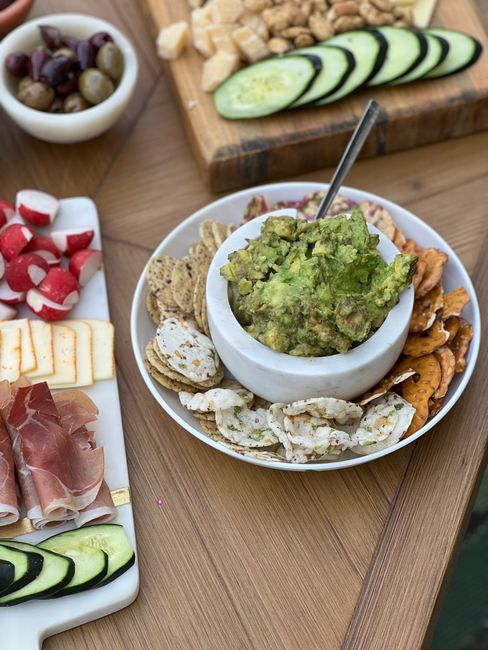
- Meats: Prosciutto, salami, chorizo, bresaola, smoked turkey, and duck prosciutto.
- Cheeses: Brie, cheddar, gouda, blue cheese, goat cheese, and feta.
- Fruits: Grapes, berries, figs, pears, and apples.
- Nuts: Almonds, walnuts, pecans, and pistachios.
- Spreads: Honey, mustard, tapenade, and chutney.
- Crackers and Breads: Assorted crackers, baguette slices, and flatbreads.
- Condiments: Olives, pickles, and cornichons.
Note: Feel free to adjust the quantities based on the number of guests and the size of your board. It’s also a good idea to offer a mix of flavors, textures, and colors to keep the board interesting.
Step-by-Step Cooking Instructions
- Choose Your Board: Select a large wooden or marble board, or even a large platter. Ensure it’s clean and dry.
- Arrange the Cheeses: Start by placing the cheeses in different areas of the board. Cut some into slices or cubes for easy serving.
- Add the Meats: Layer the meats around the cheeses, allowing them to drape over the edges for a natural look.
- Include Fruits and Nuts: Place fruits and nuts in small bowls or directly on the board, filling in gaps and adding color.
- Add Spreads and Condiments: Use small ramekins or decorative containers for spreads and condiments. Place them strategically around the board.
- Finish with Crackers and Breads: Arrange crackers and bread slices around the board, filling in any remaining spaces.
- Garnish: Add a few fresh herbs or edible flowers for a final touch of elegance.
Cooking Tips and Common Mistakes
Tips:
- Room Temperature: Bring cheeses and meats to room temperature before serving to enhance their flavors.
- Use a Theme: Create a theme for your board, such as Italian, French, or Mediterranean, to add a cohesive feel.
- Experiment with Shapes: Cut fruits and cheeses into different shapes to add visual interest.
Common Mistakes:
- Overloading the Board: Avoid overcrowding the board; leave some space for guests to interact with the food.
- Ignoring Texture: Ensure a mix of crunchy, creamy, and chewy textures to keep the board engaging.
- Forgetting Utensils: Always provide small knives, forks, and spoons for easy serving.
Ingredient Substitutions or Variations
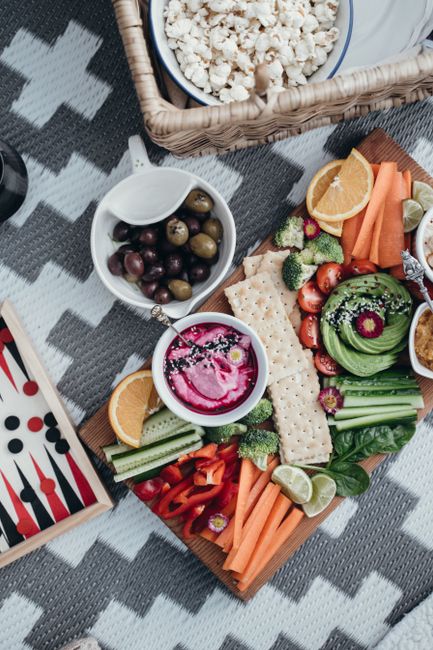
Vegan Charcuterie Board: Substitute meats with plant-based options like vegan salami and cheese. Use a variety of nuts, fruits, and vegetables to create a colorful and flavorful board.
Gluten-Free Board: Opt for gluten-free crackers, breads, and condiments. Ensure all ingredients are labeled and clearly marked to avoid cross-contamination.
Seasonal Variations: Adjust the ingredients based on the season. For example, use fresh summer berries or roasted root vegetables for a fall board.
Serving Suggestions
Charcuterie boards are versatile and can be served as a light meal, appetizer, or snack. Pair your board with a selection of wines, craft beers, or cocktails to complement the flavors. Consider the time of day and the occasion when deciding how to serve your board. For a more formal setting, you might want to serve the board alongside a main course or as part of a multi-course meal.
Storage and Reheating
Leftover meats and cheeses can be stored in the refrigerator for up to 3-5 days. Wrap them tightly in plastic wrap or aluminum foil to maintain freshness. Fruits and nuts can be stored in an airtight container. If you have leftover spreads, store them in the refrigerator and use within a week.
Nutrition Information
| Nutrient | Per Serving |
|---|---|
| Calories | Approx. 350 kcal |
| Protein | 12 g |
| Carbohydrates | 45 g |
| Fat | 14 g |
| Fiber | 7 g |
| Sugar | 5 g |
| Sodium | 400 mg |
FAQ
How do I choose the right cheeses for my charcuterie board?
When selecting cheeses, aim for a mix of textures and flavors. Include a soft cheese like brie, a hard cheese like cheddar, a creamy cheese like goat cheese, and a strong-flavored cheese like blue cheese. This variety will cater to different tastes and create a balanced board.
Can I make a charcuterie board in advance?
Yes, you can prepare most elements of your charcuterie board in advance. Arrange the meats, cheeses, and some fruits on the board, but keep them refrigerated until ready to serve. Add more perishable items like fresh fruits and nuts just before presenting the board to ensure freshness.
What are some good pairing options for a charcuterie board?
Pair your charcuterie board with a selection of wines, craft beers, or cocktails. For a wine pairing, consider a light white wine like Pinot Grigio or a full-bodied red like Cabernet Sauvignon. Craft beers like IPAs or stouts can also complement the flavors on your board. For a non-alcoholic option, serve sparkling water or a fruit-infused soda.
How can I make my charcuterie board more visually appealing?
Use a variety of colors, textures, and shapes to make your board visually appealing. Arrange the ingredients in a way that creates contrast and balance. Use small bowls or decorative containers for spreads and condiments. Add fresh herbs or edible flowers for a final touch of elegance.
Can I make a charcuterie board without meat?
Absolutely! A vegetarian or vegan charcuterie board can be just as delicious and satisfying. Use a variety of cheeses, fruits, nuts, vegetables, and plant-based spreads. Consider adding elements like marinated mushrooms, roasted vegetables, or pickled items to add depth and flavor.
Conclusion
Creating a charcuterie board is a simple yet elegant way to entertain guests. By following these 15 charcuterie board ideas, you can craft a beautiful and flavorful board that will impress and delight. Whether you’re hosting a casual gathering or a more formal event, a well-curated charcuterie board is sure to be a hit. So, gather your ingredients, get creative, and enjoy the process!