Mastering Quick and Balanced Weeknight Meals
When 6:00 PM rolls around after a demanding workday, pulling together a nutritious meal often feels like a competing priority against time and energy. Many traditional recipes demand either extensive active prep time or reliance on sodium-heavy packaged shortcuts. Developing a rotation of reliable healthy dinner ideas doesn’t require culinary school training or an endless pantry of obscure ingredients. Instead, it relies on understanding basic roasting techniques, balancing macronutrients, and keeping versatile staple ingredients on hand.
A well-planned weeknight dinner should satisfy three core needs: clear nutritional value, distinct flavor, and effortless cleanup. Sheet pan cooking excels here. By roasting fresh vegetables and lean proteins together on a single tray, you create deep caramelization while keeping kitchen mess to a minimum. Paired with a light grain like herb-infused quinoa, this Mediterranean sheet pan salmon provides a balanced mix of high-quality protein, omega-3 fatty acids, complex carbohydrates, and dietary fiber.
Key Takeaways
- Nutritional Balance: Focus on combining lean protein, fiber-rich vegetables, and complex carbohydrates to maintain steady energy levels.
- Single-Pan Efficiency: Roasting on a sheet pan cuts active cooking time and makes cleanup exceptionally fast.
- High-Heat Flavor: Roasting vegetables at 400°F (200°C) caramelizes their natural sugars, enhancing taste without relying on heavy sauces.
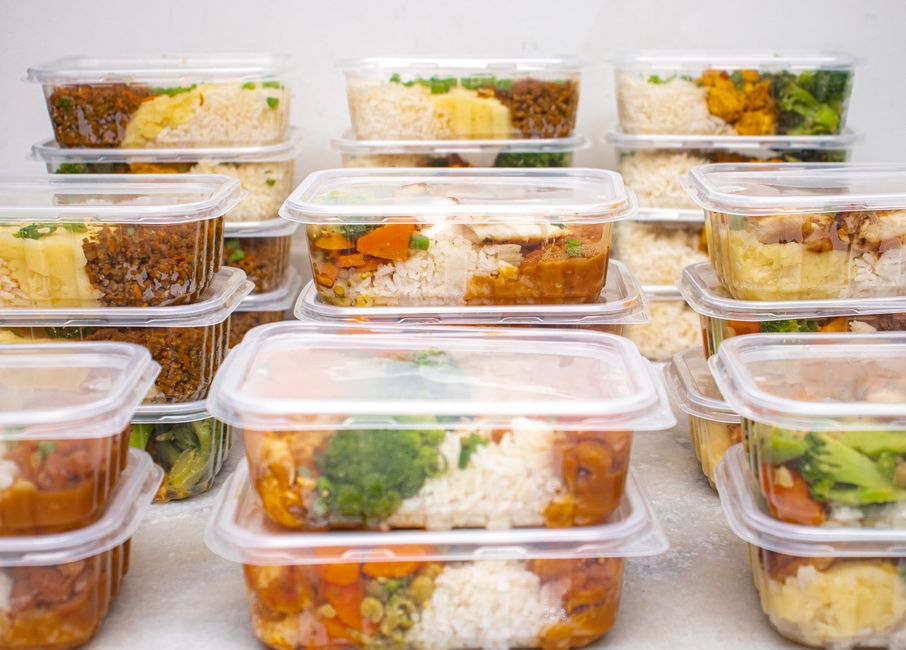
- Smart Meal Prep: Pre-chopping vegetables and cooking grains in advance can trim weeknight active prep down to under ten minutes.
- Versatile Framework: Use this base formula with chicken, tofu, or different seasonal vegetables depending on what’s in your refrigerator.
Building a Balanced Weeknight Meal Framework
When searching for practical healthy dinner ideas, it helps to view your plate as an adaptable grid rather than following rigid, hyper-specific recipes every night. A reliable baseline meal consists of 50% non-starchy vegetables, 25% lean protein, and 25% complex carbohydrates or whole grains, rounded out with a source of healthy cooking fat.
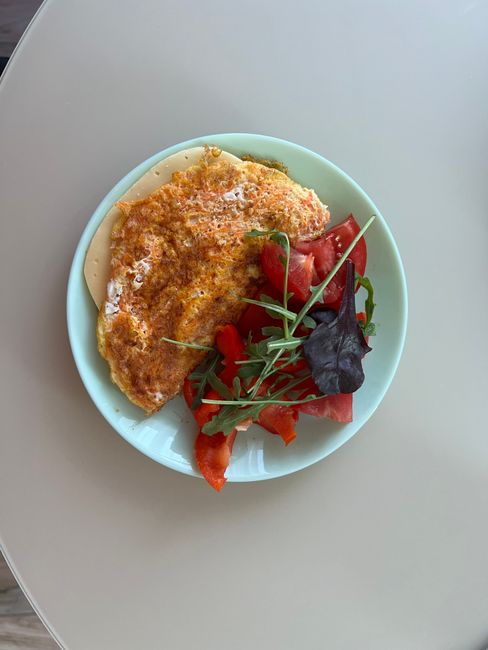

This visual framework allows you to mix and match seasonal produce, pantry grains, and available proteins without needing to make extra trips to the grocery store. Below is a simple blueprint for structuring nutritious dinners quickly:
| Meal Component | Primary Options | Nutritional Purpose | Prep Shortcut |
|---|---|---|---|
| Lean Protein | Salmon, chicken breast, tofu, cod, turkey | Satiety, muscle maintenance, structural repair | Buy pre-cut portions or quick-thawing frozen fillets |
| Non-Starchy Veggies | Zucchini, bell peppers, broccoli, cherry tomatoes | Fiber, vitamins, micronutrients, volume | Chop vegetables during your weekend prep routine |
| Complex Carbohydrates | Quinoa, brown rice, farro, sweet potato | Sustained energy, dietary fiber, B vitamins | Cook a large batch of grains on Sunday evening |
| Healthy Fats | Extra virgin olive oil, avocado, toasted seeds | Nutrient absorption, flavor delivery, fullness | Keep high-quality cold-pressed olive oil near the stove |
Master Recipe: Mediterranean Sheet Pan Salmon with Lemon-Herb Quinoa
This master recipe highlights how basic kitchen assembly can produce a dinner that tastes thoughtful and vibrant. The salmon stays tender under a light coat of garlic and oregano, while the cherry tomatoes burst open in the oven, creating a natural sauce that coats the roasted zucchini and peppers. Served over fluffy quinoa seasoned with fresh lemon zest and parsley, it represents the ideal weeknight balance.
Key Ingredients and Selection Notes
- Salmon Fillets: Opt for four skin-on fillets of similar thickness (roughly 6 ounces each) so they roast evenly. Wild-caught salmon offers rich flavor, though sustainably farmed options work exceptionally well and remain tender.
- Zucchini: Select firm, medium zucchini. Slicing them into half-inch half-moons ensures they soften and brown nicely without turning mushy during the roast.
- Bell Peppers: Combining red and yellow bell peppers adds natural sweetness and vibrant visual appeal. Cut them into uniform one-inch pieces.
- Cherry Tomatoes: Leave these whole. High heat forces the juices inside to expand until they burst, releasing sweet, concentrated liquid that seasons the rest of the tray.
- Extra Virgin Olive Oil: Serves as the cooking medium and roasting lubricant. High-quality olive oil withstands 400°F roasting while enhancing the overall flavor of the Mediterranean herbs.
- Quinoa: Naturally gluten-free and packed with complete protein, quinoa cooks quickly on the stovetop while your oven does the roasting work.
- Lemon and Herbs: Fresh lemon juice, zest, oregano, thyme, and fresh parsley lift the earthy roasting flavors with bright acidity.
Step-by-Step Cooking Instructions
1. Prepare Your Equipment and Oven
Position your oven rack in the center and preheat the oven to 400°F (200°C). Line a large, rimmed baking sheet with parchment paper or heavy-duty aluminum foil. This step prevents sticking and ensures cleanup takes less than two minutes.
2. Cook the Quinoa Base
Rinse one cup of uncooked quinoa in a fine-mesh strainer under cold water to remove any residual saponin, which can cause a bitter taste. Combine the rinsed quinoa, two cups of water (or low-sodium vegetable broth), and a quarter-teaspoon of salt in a small saucepan. Bring to a boil over high heat, then immediately lower the heat to low, cover with a tight-fitting lid, and simmer for 15 minutes. Remove from heat and let sit covered for 5 minutes before fluffing with a fork. Stir in the lemon zest, half of the fresh lemon juice, and chopped parsley.
3. Season and Roast the Vegetables
While the quinoa simmers, place the sliced zucchini, diced bell peppers, cut red onion, and whole cherry tomatoes directly onto the prepared sheet pan. Drizzle with two tablespoons of extra virgin olive oil. Add half of the minced garlic, dried oregano, dried thyme, a half-teaspoon of kosher salt, and a quarter-teaspoon of black pepper. Toss directly on the sheet pan until all pieces are evenly coated, then spread them out into a single layer.
4. Add and Season the Salmon
Nestle the four salmon fillets into the vegetable mixture, skin-side down, creating small clearings on the sheet pan so the fish contacts the pan surface directly. Pat the tops of the fillets dry with a paper towel. Drizzle the remaining tablespoon of olive oil over the salmon, then top with the rest of the minced garlic, a pinch of salt, and pepper.
5. Roast to Perfection
Transfer the baking sheet to the preheated oven and roast for 12 to 15 minutes. The exact cooking time depends on the thickness of your fillets. The salmon is done when it flakes easily with a fork and reaches an internal temperature of 135°F to 145°F (57°C to 63°C). The vegetables should be tender with lightly caramelized edges, and the tomatoes should be soft and split.
6. Assemble and Garnish
Remove the tray from the oven. Squeeze the remaining fresh lemon juice over the hot salmon and roasted vegetables. Divide the warm lemon-herb quinoa among four bowls, top each with a salmon fillet, and spoon the roasted vegetables and pan juices over the top. Garnish with additional fresh parsley before serving.
Essential Cooking Tips and Common Mistakes
Getting weeknight sheet pan meals right involves avoiding a few classic cooking pitfalls. High heat turns ordinary produce into caramelized, sweet bites, but crowded pans produce soggy, steamed food.
Roasting vegetables at a high temperature like 400°F allows their natural sugars to caramelize while preserving structural crispness, transforming humble produce into a deeply flavorful foundation for weeknight meals.
- Don’t Overcrowd the Baking Sheet: If ingredients are piled high on top of each other, they will trap steam rather than roast. If your baking sheet is small, divide the ingredients between two sheets.
- Pat the Fish Dry: Moisture on the surface of salmon prevents it from searing properly in the oven. Always dry your fillets with paper towels before applying oil and spices.
- Watch the Garlic Carefully: Minced garlic can burn easily under high heat. Tossing it with oil and mixing it beneath the vegetables shields it from direct heat, keeping it sweet rather than bitter.
- Cut Vegetables Consistently: Ensure harder vegetables (like onions and peppers) are cut smaller than softer items (like zucchini) so everything cooks evenly in the same time frame.
Recipe Variations and Ingredient Substitutions
Adapting recipes to fit what is currently in your pantry makes sticking to healthy dinner ideas seamless over time.
- Poultry Swap: Replace the salmon fillets with thin boneless, skinless chicken breasts or thighs. Increase the roasting time to 20–22 minutes until the internal temperature reaches 165°F (74°C).
- Vegetarian Option: Omit the fish and add one drained, rinsed 15-ounce can of chickpeas along with one block of extra-firm tofu (pressed and cubed). Toss them directly with the vegetables and spices before roasting.
- Low-Carb Alternate: Swap the quinoa base for cauliflower rice cooked quickly in a skillet with olive oil, garlic, and fresh lemon juice.
- Seasonal Vegetable Changes: In winter months, substitute the zucchini and tomatoes with small cauliflower florets, peeled cubed butternut squash, or sliced Brussels sprouts. Increase vegetable roasting time by 10 minutes before adding the fish.
Serving Suggestions
While this recipe functions as a complete, balanced meal on its own, adding a raw crisp element balances the warm, roasted textures. Consider serving this dish alongside a simple arugula salad dressed with extra virgin olive oil and fresh lemon juice. A side of creamy homemade tzatziki sauce or a crumble of low-fat feta cheese over the warm salmon also pairs beautifully with the Mediterranean flavor profile.
Storage and Reheating Guidelines
- Refrigeration: Store leftover salmon, vegetables, and quinoa in airtight containers in the refrigerator for up to 3 days. It is best to store the fish separately from the grains to keep textures optimal.
- Freezing: While cooked quinoa freezes exceptionally well for up to 3 months, cooked salmon and roasted high-moisture vegetables (like zucchini) change texture upon thawing. We recommend consuming this dish fresh or from the fridge.
- Reheating: Reheat leftovers gently. Place the salmon and vegetables on a baking sheet, cover loosely with foil, and warm in a 300°F (150°C) oven for 8–10 minutes until heated through. Alternatively, warm the quinoa and vegetables in the microwave at 70% power for 90 seconds, adding the salmon for the final 30 seconds to prevent overcooking the fish.
Nutrition Information
This Mediterranean sheet pan meal provides a rich source of lean protein, heart-healthy monounsaturated fats, and essential micronutrients including Vitamin C, Vitamin A, and Potassium. The combination of dietary fiber from the quinoa and vegetables helps regulate digestion and promotes long-lasting fullness without feel-heavy calorie density.
| Nutrient | Amount Per Serving | Daily Value (%) |
|---|---|---|
| Calories | 440 kcal | 22% |
| Protein | 38 g | 76% |
| Total Fat | 18 g | 23% |
| Saturated Fat | 3 g | 15% |
| Monounsaturated Fat | 9 g | — |
| Carbohydrates | 33 g | 12% |
| Dietary Fiber | 6 g | 21% |
| Sugars | 5 g | — |
| Sodium | 420 mg | 18% |
| Potassium | 850 mg | 24% |
Frequently Asked Questions
What are the best prep-ahead healthy dinner ideas for busy families?
Sheet pan meals, batch-cooked grain bowls, and slow-cooker stews rank among the best prep-ahead options. You can chop all vegetables and mix spice blends 2 to 3 days in advance. Store prepared raw ingredients in sealed containers in the fridge, so weeknight cooking simply requires dumping items onto a tray and setting a timer.
How can I keep salmon from drying out in the oven?
The key to tender salmon is avoiding overcooking. Roast at a relatively high temperature (400°F) for a shorter duration (12–15 minutes). Remove the fish from the oven when the thickest part reads 135°F on an instant-read thermometer; residual heat will carry it to the recommended 145°F while resting.
Can I make this sheet pan meal without quinoa?
Yes. You can serve the roasted salmon and vegetables over brown rice, farro, couscous, or warm rice noodles. For a lower-carbohydrate alternative, serve over a bed of fresh baby spinach, warm cauliflower rice, or massaged kale.
How do I make healthy dinners budget-friendly?
Focus on purchasing frozen seafood or bulk lean meats, using seasonal vegetables, and relying on affordable pantry grains like brown rice, oats, and quinoa. Buying frozen salmon fillets is often significantly cheaper than fresh wild salmon while offering equal nutritional value.
Is sheet pan cooking healthy?
Sheet pan cooking is an exceptionally healthy preparation method because it uses high-heat dry air to cook food. This requires minimal added oils or butter compared to shallow pan frying, while preserving heat-sensitive vitamins in vegetables through rapid cooking times.
How do I store cooked quinoa so it doesn’t get soggy?
After cooking quinoa, allow it to cool completely at room temperature spread out on a clean baking sheet before transferring it to an airtight storage container. Storing hot, steaming quinoa traps moisture in the container, leading to a soggy texture.
Conclusion
Consistently putting nutritious meals on the table doesn’t require complex techniques or spending your entire evening in the kitchen. By focusing on versatile frameworks, fresh produce, lean proteins, and simple preparation methods like sheet pan roasting, healthy dinner ideas become a stress-free reality. This Mediterranean sheet pan salmon recipe demonstrates how straightforward cooking techniques yield vibrant, satisfying results that nourish your body while leaving you with minimal cleanup. Give this meal a try this week, and adapt the vegetable and protein bases to match your family’s personal tastes.