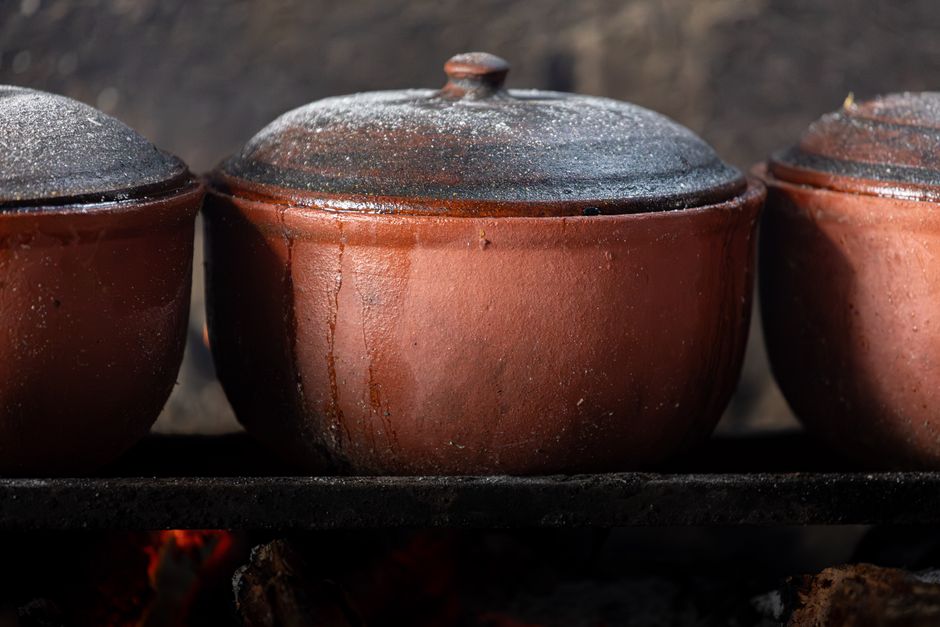
The Timeless Appeal of Slow Cooker Recipes
There is something uniquely comforting about walking into a home filled with the warm, savory aroma of a dinner that has been gently simmering all day. Slow cooker recipes have earned a permanent spot on family tables for good reason: they offer an unbeatable combination of convenience, deep flavor development, and kitchen efficiency. Whether you are balancing a busy work routine or looking to stretch your grocery budget using economical cuts of meat, mastering the countertop slow cooker is one of the most practical culinary skills you can build.
While many home cooks treat the appliance as a simple set-and-forget vessel, understanding the science behind low-and-slow heat transfer will elevate your dishes from merely soft to genuinely extraordinary. Moisture control, collagen conversion, aromatic layering, and timing adjustments all play critical roles in successful slow cooking. In this comprehensive guide, we will explore the fundamental principles of successful slow cooker recipes and walk through a foolproof master recipe for classic slow-cooked beef pot roast with root vegetables and pan gravy.


Key Takeaways for Slow Cooking Success
- Embrace Tough Cuts: Meat rich in connective tissue (like beef chuck, pork shoulder, and lamb shanks) yields the moistest, tenderest results through gentle heat.
- Browning Matters: Searing meat and sautéing aromatics prior to adding them to the crock creates essential flavor through the Maillard reaction.
- Manage Liquid Levels: Because slow cookers trap steam, liquid does not evaporate; reduce liquid volumes by roughly one-third compared to traditional stovetop recipes.
- Layer Ingredients Intentionally: Dense root vegetables belong at the bottom where heat transfers directly from the base; delicate vegetables and dairy belong near the end.
- Resist the Lid Lift: Opening the lid releases trapped steam and drops the internal temperature, adding 15 to 20 minutes of recovery time per peek.
Understanding the Culinary Science of Slow Cooking
To get the best results from slow cooker recipes, it helps to understand what is happening inside the vessel. Unlike an oven or cooktop, a slow cooker heat ring warms the sides and bottom of the stoneware pot gradually. Heavy glass lids trap moisture, creating a closed ecosystem where liquid evaporates, condenses on the lid, and drips back down onto the food.
This moist environment is ideal for converting tough collagen into silky gelatin. Connective tissue begins breaking down around 160°F (71°C) and continues dissolving smoothly up to 200°F (93°C). Lean meats, such as chicken breast or pork tenderloin, lack collagen and will dry out if cooked for extended periods. Save long cook times for meats with generous intramuscular fat and connective tissue.
Editorial Insight: Don’t skip the initial sear. While it is tempting to dump raw ingredients into the pot, taking ten minutes to brown your meat on the stove builds rich background notes that slow cooking alone cannot replicate.
Slow Cooker Timing and Temperature Conversion Guide
Understanding how settings convert makes adapting traditional recipes straightforward. The table below outlines standard cook times across common main ingredients.
| Ingredient Cut | Weight / Portion | Low Setting (190°F–200°F) | High Setting (290°F–300°F) |
|---|---|---|---|
| Beef Chuck Roast | 3.5 to 4 lbs | 8 to 10 hours | 4 to 5 hours |
| Pork Shoulder / Butt | 4 to 5 lbs | 9 to 10 hours | 5 to 6 hours |
| Whole Chicken | 4 to 5 lbs | 6 to 7 hours | 3.5 to 4 hours |
| Chicken Thighs (Bone-in) | 2 to 3 lbs | 5 to 6 hours | 2.5 to 3 hours |
| Dry Beans (Pre-soaked) | 1 lb | 6 to 8 hours | 3 to 4 hours |
| Root Vegetables (Diced) | 2 lbs | 6 to 8 hours | 3 to 4 hours |
Master Recipe: Classic Slow Cooker Beef Pot Roast
This master pot roast demonstrates every core technique needed for successful slow cooker recipes. We start with a well-marbled beef chuck roast, sear it thoroughly for maximum depth, build a rich aromatic base with onions, garlic, and tomato paste, and gently simmer everything alongside firm Yukon Gold potatoes and fresh carrots.
Ingredients and Preparation Notes
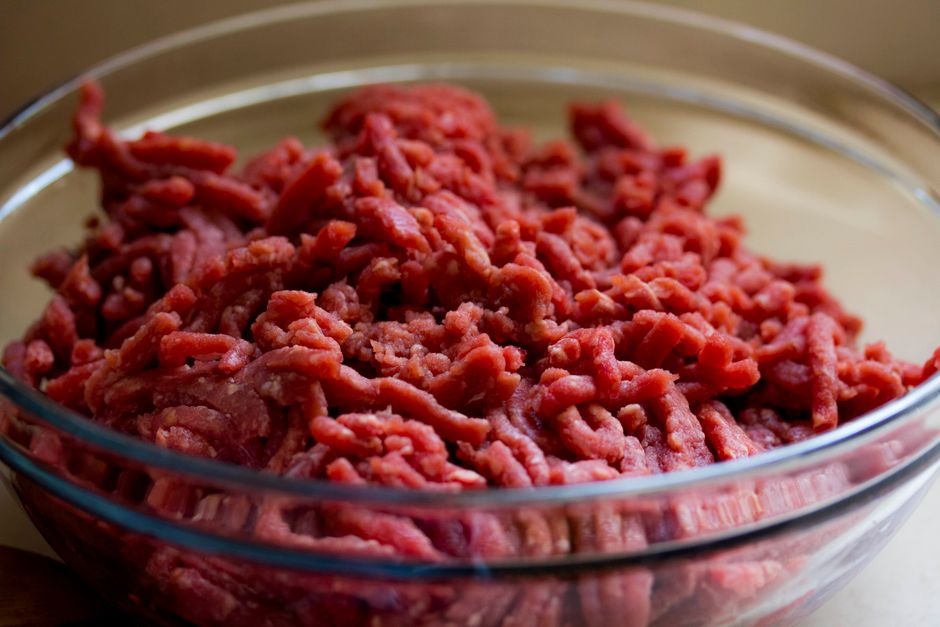
- Beef Chuck Roast (3.5 lbs): Look for uniform shape and bright marbling. Chuck roast contains the optimal mix of collagen and fat.
- Kosher Salt & Black Pepper: Season generously on all sides before searing.
- Olive Oil (2 tbsp): High enough smoke point to achieve a deep crust during searing.
- Yellow Onions (2 large): Cut into thick wedges so they hold their shape over long cooking.
- Garlic (5 cloves): Smashed and peeled for mild, warm aromatic flavor.
- Tomato Paste (2 tbsp): Cooked briefly with the aromatics to add umami and color depth.
- Low-Sodium Beef Broth (1.5 cups): Gives control over final saltiness while providing the base for gravy.
- Worcestershire Sauce (1 tbsp): Adds savory depth and light acidity.
- Fresh Herbs: 4 sprigs fresh thyme, 2 sprigs fresh rosemary, and 2 bay leaves tied together or tucked into the liquid.
- Yukon Gold Potatoes (1.5 lbs): Cut into 1.5-inch chunks. Yukon Golds keep their texture better than russets in slow cooker recipes.
- Carrots (1 lb): Peeled and cut into thick 2-inch pieces.
- Cornstarch (2 tbsp) + Cold Water (2 tbsp): Used at the very end to transform cooking juices into a glossy gravy.
- Fresh Parsley: Chopped for a bright finish before serving.
Step-by-Step Cooking Instructions
Step 1: Prep and Season the Meat
Pat the beef chuck roast dry using paper towels. Moisture on the surface prevents proper browning. Season all sides evenly with 1.5 teaspoons of kosher salt and 1 teaspoon of freshly cracked black pepper.
Step 2: Sear for Maximum Flavor
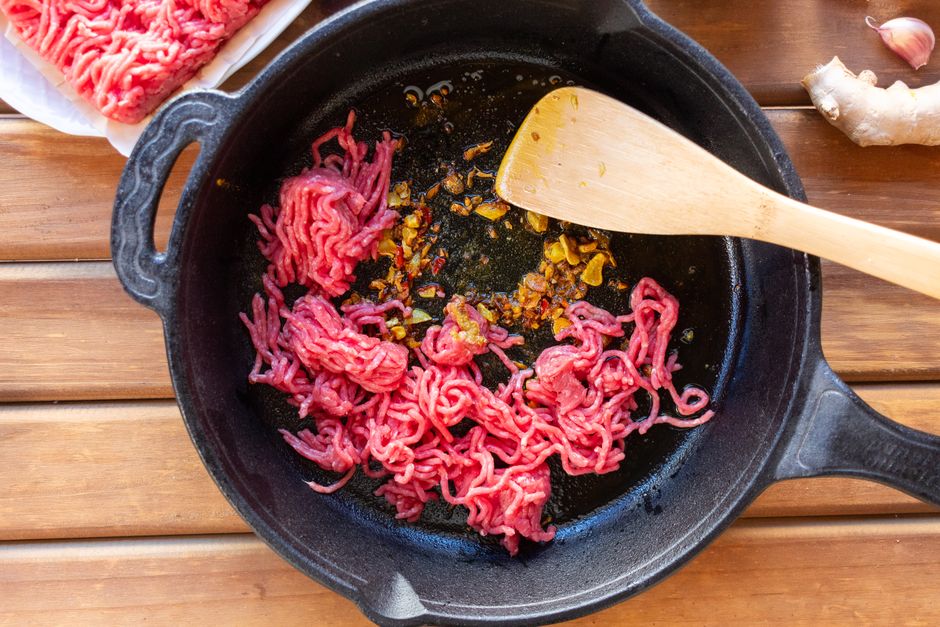
Heat olive oil in a heavy skillet over medium-high heat until shimmer appears. Place the seasoned roast in the hot skillet and sear without moving for 3 to 4 minutes per side, until a dark golden-brown crust forms. Transfer the browned roast directly into the slow cooker insert.
Step 3: Build the Aromatic Base
Reduce skillet heat to medium. Add onion wedges and smashed garlic to the pan drippings, cooking for 3 minutes until slightly softened. Stir in the tomato paste, coating the onions, and cook for 1 minute until darker in color. Pour in beef broth and Worcestershire sauce, scraping up any browned bits stuck to the pan bottom. Pour this entire mixture over the roast in the slow cooker.
Step 4: Layer Vegetables and Herbs
Arrange the potato chunks and carrot pieces around the sides and top of the roast. Tuck the thyme, rosemary, and bay leaves beneath the liquid level. Ensure dense root vegetables sit close to the heating element along the bottom and sides.
Step 5: Slow Cook to Tender Perfection
Cover with the lid and cook on LOW for 8 to 9 hours (or HIGH for 4 to 5 hours). The pot roast is done when a fork slides into the center with zero resistance and the meat yields easily.
Step 6: Make the Finishing Gravy
Transfer the beef and vegetables carefully onto a warm serving platter and tent loosely with foil. Strain the remaining pot liquids into a saucepan and skim excess surface fat. Bring liquid to a simmer over medium heat. Whisk together cornstarch and cold water, then pour into the simmering liquid. Whisk constantly for 2 to 3 minutes until thick and glossy. Taste and adjust seasoning if needed.
Crucial Cooking Tips and Common Mistakes
- Avoid Thin Sauces: Slow cookers retain all moisture. Always finish juices with a cornstarch slurry or simmer them down on the cooktop after cooking finishes.
- Don’t Trim All Fat: Leave a thin layer of fat cap intact. It bastes the meat during the multi-hour cook cycle and can easily be skimmed off before serving.
- Add Delicate Herbs Late: Fresh soft herbs (parsley, chives, tarragon) lose flavor over long cook cycles. Stick with woody herbs (thyme, rosemary, bay) early on, and stir in soft herbs right before serving.
- Keep Dairy for the End: Milk, cream, sour cream, and yogurt break down and curdle under prolonged heat. Stir dairy ingredients into slow cooker recipes during the final 15 minutes.
Ingredient Substitutions and Recipe Variations
Slow cooker recipes are inherently flexible. Here are simple adaptations for this classic roast:
- Red Wine Boost: Replace 1/2 cup of beef broth with dry red wine (like Cabernet Sauvignon or Pinot Noir) when deglazing the skillet for added complexity.
- Pork Shoulder Swap: Replace beef chuck roast with an equal weight of bone-in pork shoulder, substituting chicken broth and fresh sage for a delicious apple-cider pork roast variant.
- Root Vegetable Alternatives: Parsnips, rutabaga, or sweet potatoes can easily swap for or complement Yukon Gold potatoes. Cut them into larger pieces so they do not overcook.
Serving Suggestions
Serve thick slices or shredded chunks of the tender pot roast alongside generous spoonfuls of cooked carrots and potatoes. Drizzle warm gravy over everything. Pair with a crisp green salad tossed in a lemon vinaigrette to cut through the richness, or serve with warm crusty bread to catch leftover sauce.
Storage and Reheating Guidelines
Slow cooker recipes make outstanding leftovers because flavors mature in the refrigerator overnight.
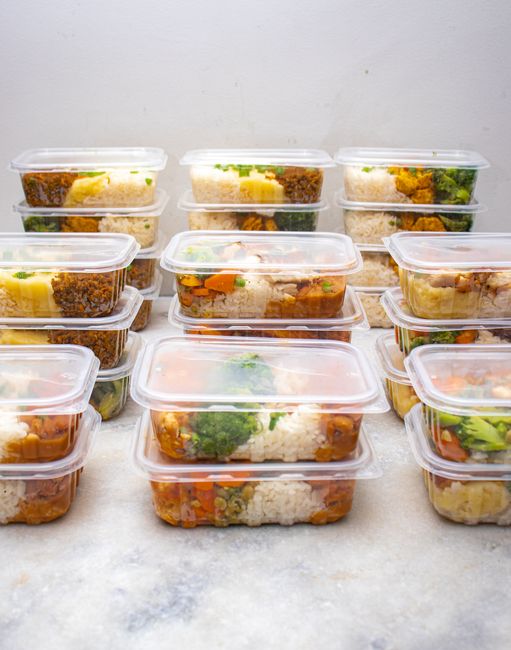
- Refrigeration: Allow meat and vegetables to cool to room temperature, then store together in airtight containers with sauce for up to 4 days.
- Freezing: Portion meat and liquid into freezer-safe containers or bags. Freeze for up to 3 months. Thaw overnight in the refrigerator before reheating.
- Reheating: Reheat individual portions gently in a saucepan over medium-low heat with extra broth or gravy, or warm in a 350°F oven covered with foil for 20 minutes to retain moisture.
Nutritional Overview
The table below presents approximate nutritional values per serving for this classic roast recipe (serves 6).
| Nutrient | Amount Per Serving |
|---|---|
| Calories | Approx. 440 kcal |
| Protein | 42 g |
| Carbohydrates | 26 g |
| Fat | 18 g |
| Dietary Fiber | 4 g |
| Sugars | 5 g |
| Sodium | 620 mg |
Frequently Asked Questions
Can I put raw beef directly into the slow cooker without searing?
Yes, raw beef will safely cook through in a slow cooker. However, searing first creates a caramelized crust through the Maillard reaction, yielding richer gravy depth and far superior overall flavor.
Is it better to cook slow cooker recipes on Low or High?
Low setting is almost always preferred for tough cuts of meat. The gradual breakdown over 8 to 10 hours yields far tenderer muscle fibers than higher, faster heat cycles.
Why are my root vegetables still hard after hours of cooking?
Vegetables cook slower than meat in low-moisture slow cooker environments. Make sure root vegetables are chopped into uniform 1- to 1.5-inch pieces and placed near the bottom or sides of the crock where direct heat resides.
Can I put frozen meat in a slow cooker?
It is not recommended by food safety guidelines. Frozen meat takes too long to reach safe internal temperatures, leaving it in the food danger zone (40°F–140°F) for extended periods. Always thaw meats completely before slow cooking.
How do I prevent my pot roast gravy from becoming greasy?
Trim excessive outer fat before cooking, and skim off liquefied top fat using a wide spoon or fat separator before reducing the remaining pot juices into gravy.
Why does my meat taste dry even though it cooked in liquid?
Overcooking lean cuts of meat causes muscle fibers to contract tightly and squeeze out liquid. Ensure you choose marbled cuts like chuck roast or pork shoulder, and monitor tenderness closely near the end of the recommended cook window.
Conclusion
Adding reliable slow cooker recipes to your weekly menu brings warmth, rich flavors, and effort-saving convenience to mealtime. By choosing appropriate cuts, searing for flavor, placing root vegetables strategically, and managing moisture carefully, you will achieve tender, restaurant-quality results every single time. Give this master beef pot roast a try this week, and enjoy the ease of a delicious homemade dinner ready when you walk through the door.