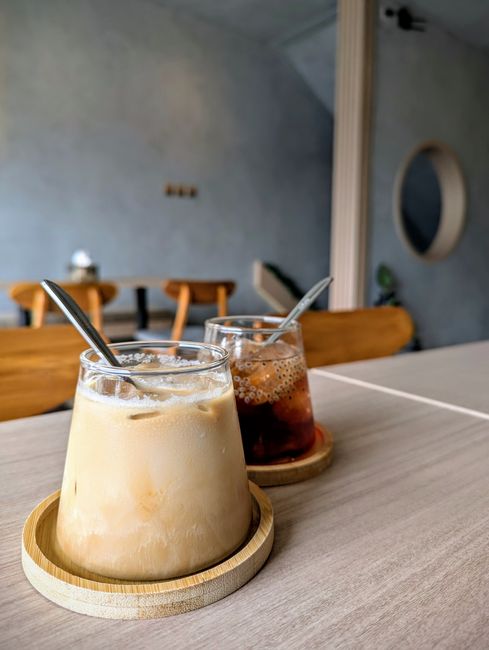
The Rise of Craft Home Cafe Drinks
There is something remarkably soothing about turning your morning beverage routine into a mindful ritual. The home cafe movement began as a social media visual trend, but it quickly evolved into a practical culinary craft. Crafting custom home cafe drinks at home lets you control your sugar intake, experiment with seasonal syrups, and recreate coffeehouse favorites at a fraction of the cost. You don’t need an expensive commercial espresso machine or years of formal barista training to produce stunning, delicious drinks. With a few foundational techniques—such as understanding liquid density, milk emulsification, and flavor balancing—you can elevate everyday ingredients into cafe-quality treats.
Building modern home cafe drinks relies on balance. A great drink combines contrasting textures, balanced sweetness, and distinct temperature layers. Whether you prefer rich espresso bases, grassy ceremonial matcha, or fruit-infused milk teas, mastering the basics gives you endless freedom to innovate right on your kitchen counter.



Key Takeaways
- Density drives layering: Liquids with higher sugar concentration naturally sink to the bottom, while lighter, whipped elements float seamlessly on top.
- Temperature control matters: Chilling your glassware and using cold milk ensures distinct visual layers and prevents pre-mature ice melt.
- Whisking matcha properly is critical: Warm water (around 175°F/80°C) prevents bitter, clumped matcha, creating a smoother base.
- Texture makes the drink: Aerating cream creates velvety cold foam that slowly cascades into the beverage base as you sip.
- Pantry syrups elevate flavor: Simple homemade fruit reductions and infused sugar syrups taste fresher than artificial commercial bottles.
Understanding the Structure of Home Cafe Drinks
The secret behind aesthetic, layered home cafe drinks lies in liquid physics, specifically specific gravity. When you pour liquids of different densities into a glass, they stay separated as long as you pour slowly over ice or the back of a spoon. Thick syrups, purees, and condensed milk reside at the base. Standard milk, plant-based alternatives, or water-based teas form the middle layer. Highly aerated components, such as espresso shots, cold foam, or whipped dalgona clouds, rest softly on top.
| Drink Layer | Typical Ingredients | Density Level | Function & Texture |
|---|---|---|---|
| Base Layer | Fruit purees, brown sugar syrup, condensed milk | Highest | Provides core sweetness and heavy visual baseline |
| Middle Layer | Whole milk, oat milk, iced water, diluted tea | Medium | Serves as the main body and dilutes rich syrups |
| Top Layer | Espresso, whisked matcha, cold foam, whipped cream | Lowest | Delivers immediate aroma, rich texture, and visual contrast |
Mastering this three-tier layout allows you to transform simple pantry staples into signature menu items. Once you understand how these layers interact, you can start pairing unexpected flavor combinations like blueberry and espresso, or roasted hojicha with salted vanilla cream.
Ingredients and Preparation Notes
To make the featured Iced Strawberry Cold Foam Matcha Latte, quality components make all the difference. Because home cafe drinks rely on clean, distinct flavor profiles, each ingredient plays an essential role:
- Fresh Strawberries: Ripe strawberries yield the best natural color and bright acidity. You can use frozen berries if fresh ones aren’t in season; just cook them slightly longer to reduce excess liquid.
- Granulated Sugar: Acts as a natural sweetener and binding agent for the compote, raising its density so it stays neatly at the bottom of your glass.
- Ceremonial Grade Matcha: Vibrant green matcha provides a sweet, vegetal flavor without harsh astringency. Culinary grade can be used, but it tends to be more bitter and dull in color.
- Filtered Warm Water: Ideal temperature is between 170°F and 180°F (75°C to 80°C). Boiling water will scorch the green tea leaves, leaving a burnt taste.
- Whole Milk or Oat Milk: High-fat dairy or barista-edition plant milks offer the body required to suspend the top foam layer effectively.
- Heavy Cream & Vanilla Syrup: Combine to form a silky, cloud-like cold foam that holds its volume without deflating into the liquid below.
- Ice Cubes: Large, clear ice cubes provide a physical barrier that helps break the pour, preventing layers from mixing prematurely.
Step-by-Step Instructions
1. Prepare the Fresh Strawberry Compote
In a small saucepan, combine 1 cup of finely chopped fresh strawberries, 2 tablespoons of granulated sugar, and 1 tablespoon of water. Place the pan over medium-low heat. Stir gently as the sugar dissolves and the strawberries begin to release their juices. Use the back of a spoon or a potato masher to crush the fruit slightly, leaving small chunks for texture. Allow the mixture to simmer gently for 5 to 7 minutes until it thickens into a glossy, jam-like consistency. Remove from heat and let it cool completely. Transfer to a sealed container and chill in the refrigerator before using.
2. Whisk the Matcha Base
Sift 2 teaspoons of ceremonial grade matcha powder into a small bowl or wide-mouth cup using a fine-mesh strainer. Sifting breaks up stubborn clumps and ensures a smooth mixture. Pour in 60 ml (about 1/4 cup) of warm water heated to 175°F (80°C). Using a traditional bamboo whisk (chasen), whisk briskly in a continuous ‘W’ or ‘M’ motion for roughly 30 to 45 seconds until the tea turns vibrant green with a layer of micro-foam on top. Set aside to cool slightly.
3. Whip the Vanilla Cold Foam
In a tall glass or small measuring cup, combine 60 ml of cold heavy cream and 1 tablespoon of vanilla syrup. Insert a handheld electric milk frother just beneath the surface of the cream. Froth on medium speed for 15 to 20 seconds. The mixture should thicken to a velvety, pourable foam with soft peaks. Avoid over-whipping into stiff whipped cream, as it needs to flow easily onto the drink.
4. Assemble the Layered Drink
Spoon 2 to 3 tablespoons of the chilled strawberry compote into the bottom of a clear 16-ounce glass. Fill the glass to the top with ice cubes. Slowly pour 150 ml of cold whole milk over the ice, filling the glass to about three-quarters full. Gently pour the prepared matcha whisked mixture over the milk layer. Finally, spoon or pour the vanilla cold foam directly over the top of the glass, letting it settle into a rich header layer. Serve immediately with a wide straw.
Editorial Tip: When building layered drinks, pour liquids directly over an ice cube positioned near the surface rather than pouring straight into the center. The ice breaks the liquid flow, drastically reducing kinetic force so distinct visual layers stay crisp and separate.
Barista Tips and Common Mistakes to Avoid
Creating impressive home cafe drinks is simple once you fix a few subtle technical errors. Here is how to refine your daily brew:
- Using Boiling Water on Matcha: Pouring 212°F water directly onto delicate tea leaves releases excess tannins, resulting in a bitter drink. Keep your water under 180°F.
- Pouring Too Fast: Heavy, fast pours force layers to mix instantly. Pour slowly against the side of the glass or over the flat top of a clear ice cube.
- Warm Glassware: If your glass comes warm out of the dishwasher, it melts ice instantly, diluting the base. Store your favorite cafe glasses in the freezer for 10 minutes prior to assembly.
- Over-Frothing Cold Foam: Cold foam should be thick yet fluid enough to cascade downward as you drink. Stop frothing as soon as soft waves form.
- Neglecting Flavor balance: If your base syrup is very sweet, reduce sugar in your cold foam to prevent an unpleasantly cloying final drink.
Substitutions and Flavor Variations
Adapt this basic formula to match your dietary preferences or seasonal cravings easily:
- Dairy-Free Cold Foam: Swap heavy cream with coconut cream or heavy barista-grade oat milk paired with a pinch of xanthan gum to help lock in air bubbles.
- Brown Sugar Espresso Twist: Replace the strawberry compote with dark brown sugar syrup and substitute matcha with a double shot of freshly brewed espresso.
- Mango Passionfruit Tea: Swap strawberries for a sweet mango puree and use freshly brewed jasmine green tea as your middle layer instead of milk.
- Hojicha Cream Latte: Use roasted green tea (hojicha) powder instead of matcha for a nuttier, lower-caffeine afternoon drink.
Serving and Presentation Ideas
Presentation plays a big role in home cafe culture. Serve your crafted beverages in clear double-walled glasses, highball tumblers, or rounded vintage glassware to showcase the colorful layers. Pair drinks with glass or stainless-steel reusable straws, and garnish the top of your cold foam with a dusting of matcha powder, freeze-dried strawberry powder, or edible flowers for a polished touch.
Storage and Prep Advice
While assembled home cafe drinks should be consumed right away to enjoy their distinct layers, you can prep components ahead of time to streamline your morning schedule:
- Strawberry Compote: Store in a sealed glass jar in the refrigerator for up to 7 days.
- Simple Syrups: Homemade vanilla, lavender, or cinnamon syrups keep well in the fridge for up to 3 weeks.
- Matcha Base: Best whisked fresh, but concentrated matcha can be refrigerated for up to 24 hours. Stir or shake gently before pouring.
- Cold Foam Base: Mix heavy cream and syrup ahead in a small jar, then froth fresh right before serving.
Frequently Asked Questions
Why do my drink layers keep mixing together instantly?
Layers blend quickly when their densities are too close or when liquids are poured too aggressively. Make sure your bottom layer has a high sugar concentration, use plenty of ice to break the pour, and slowly pour lighter components over the back of a spoon.
Can I make home cafe drinks without specialized equipment?
Yes. While a electric frother and bamboo whisk are helpful, you can whisk matcha using a tiny metal wire whisk, create cold foam using a small French press or mason jar (shaking vigorously), and make syrups in a standard small saucepan.
What is the best milk for creating stable cold foam?
Heavy cream combined with whole milk or half-and-half yields the sturdiest, creamiest dairy cold foam. For plant-based options, barista-formula oat milks froth best due to added oil stabilizers that hold air bubbles.
How do I prevent my ice from diluting my home cafe drinks?
Use large, solid ice cubes, which melt slower than small or crushed ice. Alternatively, freeze extra coffee, matcha, or milk into ice trays to keep your beverage full-flavored as it melts.
Is ceremonial matcha necessary for layered drinks?
While culinary matcha works, ceremonial grade is strongly recommended for raw or cold drinks. It provides a naturally sweeter taste, smoother texture, and bright emerald hue that gives home cafe drinks their iconic look.
Conclusion
Crafting beautiful home cafe drinks is an accessible, creative, and rewarding routine that transforms your daily break into a special experience. By mastering basic syrup reductions, temperature control, and fluid density, you can easily turn simple pantry staples into cafe-quality creations. Gather your favorite glassware, experiment with layered flavors, and enjoy the soothing art of making your own signature beverages right at home.