Bringing the Magic of Seoul’s Street Food Markets to Your Kitchen
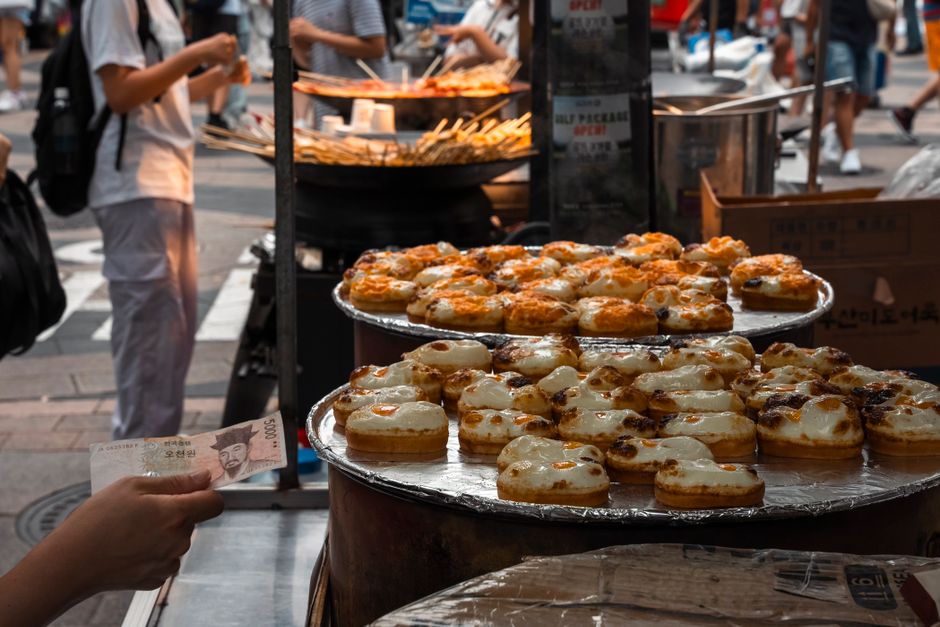
If you’ve ever walked through the buzzing alleys of Gwangjang Market or the bustling stalls of Myeongdong in Seoul, you know that Korean street food isn’t just about eating—it’s an immersive experience. Steam rises from huge, bubbling rectangular pans filled with bright red rice cakes, while nearby vendors flip sweet, cinnamon-stuffed hotteok on sizzling flat-top grills. The irresistible aromas of toasted sesame oil, garlic, and fiery gochujang fill the air, drawing crowds of hungry locals and travelers alike. The warmth of these open-air food carts, known locally as pojangmacha, offers comfort food in its purest, most vibrant form.
Recreating these Korean street food recipes at home is far easier than you might think. While the flavors taste complex, deep, and beautifully balanced between spicy, sweet, and umami, the underlying cooking techniques rely on straightforward ingredients and practical methods. Whether you’re craving chewy spicy rice cakes, crispy potato corn dogs, or savory seafood pancakes, making these dishes from scratch lets you control the spice level, fresh ingredients, and portion sizes without sacrificing authentic street-stall flavor.
Key Takeaways
- Build a solid broth base: A traditional dried anchovy and kelp stock (dashima) creates the deep umami foundation that sets authentic Korean street food recipes apart from quick shortcuts.
- Soak your rice cakes: Pre-soaking frozen or refrigerated rice cakes in warm water prevents them from splitting and helps them achieve that signature soft, chewy texture.
- Balance heat and sweetness: Combining gochujang (chili paste) with gochugaru (chili flakes) alongside rice syrup creates a glossy, balanced sauce that clings to ingredients.
- Simmer low and slow: Allowing the sauce to reduce gently lets the starches from the rice cakes naturally thicken the gravy into a rich, coating glaze.
- Mix and match textures: Pair soft, chewy rice cakes with tender fish cakes, crunchy scallions, and jammy boiled eggs for the ultimate street-stall bowl.
Overview of Popular Korean Street Food Recipes
Korean street food culture is incredibly diverse, offering everything from quick grab-and-go sweet treats to hearty, piping-hot dishes served in savory broths. When building a menu of Korean street food recipes at home, it helps to understand how different dishes complement each other in flavor, heat level, and texture.
Tteokbokki serves as the crown jewel of Korean cart foods, but it rarely stands alone on a street cart menu. Vendors usually serve it alongside crispy deep-fried seaweed rolls (gimmari), savory fish cake skewers immersed in warm broth (eomuk tang), and crisp Korean street toast (gilgeori toast). Understanding how these dishes balance spiciness with fried crunch or sweet notes gives you the ultimate framework for hosting a Korean market night at home.
| Dish Name | Primary Ingredients | Average Prep & Cook Time | Spice Level | Texture Profile |
|---|---|---|---|---|
| Tteokbokki | Cylinder rice cakes, fish cakes, gochujang, anchovy stock | 30 mins | Medium to High | Chewy, soft, coating |
| Gilgeori Toast | Shredded cabbage, carrots, egg, bread, butter, sugar | 15 mins | None (Sweet/Savory) | Crisp, buttery, soft center |
| Hotteok | Yeast dough, brown sugar, cinnamon, crushed nuts | 45 mins (plus rising) | None (Sweet) | Crispy shell, gooey center |
| Gamja Hot Dog | Hot dogs, mozzarella, yeast batter, diced potatoes | 30 mins | None to Mild | Ultra-crunchy outside, melty inside |
| Kimchi Pajeon | Aged kimchi, green onions, crispy batter mix, water | 20 mins | Mild to Medium | Crispy edges, tender center |
Featured Recipe Deep-Dive: Classic Street-Style Tteokbokki
Among all Korean street food recipes, classic spicy tteokbokki is the most iconic. It consists of cylindrical rice cakes (garaetteok) simmered in a rich, spicy, and slightly sweet red sauce alongside thin slices of fish cake (eomuk) and hard-boiled eggs. The beauty of this recipe lies in its sauce consistency—it isn’t a thin soup, nor is it a dry stir-fry. Instead, it’s a glossy, rich coating that clings to every single chewy bite.
The secret to authentic street-vendor tteokbokki isn’t just the gochujang paste—it’s allowing the rice cakes to simmer on low heat long enough for their starches to naturally thicken the sauce into a glossy glaze.
To get that genuine pojangmacha flavor at home, we don’t rely solely on plain water. We begin by simmering dried anchovies and kombu (kelp) to create a subtle, umami-packed broth. This stock provides an underlying savory depth that balances the spicy punch of coarse gochugaru and the sweet richness of Korean rice syrup.
Ingredients and Preparation Notes
Before turning on the stove, gather these key items. You can find all of these ingredients at local Asian grocery stores or specialized online markets.
- Korean Cylinder Rice Cakes (Garaetteok): Look for freshly made short, tube-shaped rice cakes in the refrigerated section. If using frozen rice cakes, soak them in warm water for 15 minutes to soften before cooking.
- Korean Fish Cake Sheets (Eomuk/Odeng): Thin, rectangular frozen fish sheets add a savory, ocean-fresh note. Slice them into small triangles or bite-sized strips.
- Dried Anchovy & Kelp Broth Base: Five large dried soup anchovies (guts removed to prevent bitterness) and a 3-inch square piece of dried kelp (dashima). This forms the savory liquid base.
- Gochujang (Korean Red Chili Paste): Provides body, deep crimson color, and a rich fermenting warmth.
- Gochugaru (Korean Chili Flakes): Adds clean heat and vibrant visual speckles without making the sauce overly thick or pasty.
- Rice Syrup or Corn Syrup: Gives the sauce its brilliant shine and a subtle, mellow sweetness that tempers the chili heat better than granulated sugar alone.
- Aromatics & Garnishes: Scallions cut into long 2-inch pieces, minced garlic, hard-boiled eggs, and a light drizzle of toasted sesame oil with toasted sesame seeds to finish.
Step-by-Step Cooking Instructions
1. Prepare the Quick Anchovy-Kelp Broth
In a shallow, wide pan or shallow wok, combine 4 cups of water, the cleaned dried anchovies, and the piece of dried kelp. Bring the mixture to a gentle boil over medium-high heat. Once boiling, reduce the heat to medium and let it simmer uncovered for 15 minutes. Strain out the anchovies and kelp, leaving behind approximately 3.5 cups of clear, aromatic stock in your pan.
2. Mix the Flavorful Sauce Base
Directly into the simmering broth, add 3 tablespoons of gochujang, 1.5 tablespoons of gochugaru, 1 tablespoon of soy sauce, 1.5 tablespoons of sugar, 1 tablespoon of rice syrup, and 1 tablespoon of freshly minced garlic. Whisk thoroughly until the chili paste dissolves completely into the warm stock.
3. Simmer the Rice Cakes and Fish Cakes
Add the pre-soaked rice cakes and sliced fish cake triangles into the pan. Bring the liquid to a rolling boil over medium heat, stirring gently with a wooden spoon so the rice cakes don’t stick to the bottom of the pan.
4. Reduce and Thicken
Lower the heat to medium-low and let the pan simmer uncovered for 10 to 12 minutes. As the rice cakes cook through, they will absorb the savory broth and release natural starches, slowly transforming the thin broth into a glossy, velvety sauce. Add the hard-boiled eggs during the last 5 minutes of simmering so they warm through and soak up the bright red sauce.
5. Finish with Vegetables and Garnishes
Fold in the 2-inch scallion pieces during the final 2 minutes of cooking. Once the sauce thickens enough to coat the back of a spoon, remove the pan from heat. Drizzle with 1 teaspoon of toasted sesame oil and sprinkle generously with toasted sesame seeds before serving hot.
Pro Cooking Tips and Common Mistakes to Avoid
Making great street food at home comes down to mastering small details. Keep these practical tips in mind to ensure your tteokbokki turns out ideal every single time:
- Don’t skip soaking frozen rice cakes: Dropping frozen, ice-cold rice cakes directly into boiling sauce causes them to crack on the outside while remaining hard in the middle. Warm water soaking ensures uniform chewiness.
- Control the starch reduction: If your sauce hardens or becomes too thick before the rice cakes are soft, splash in a few tablespoons of warm water or extra broth to adjust the consistency.
- Use a wide, shallow pan: Korean street vendors use massive flat pans because surface area allows steam to evaporate quickly, creating a concentrated sauce while giving you ample room to gently stir without breaking the rice cakes.
- Avoid overcooking the fish cakes: Thin sheet eomuk cooks much faster than rice cakes. If cooked for too long, fish cakes lose their structure and become waterlogged and mushy. Add them alongside the rice cakes only after the broth is seasoned.
Ingredient Substitutions and Creative Variations
One of the best aspects of exploring Korean street food recipes is how easily you can customize them for different dietary needs or taste preferences:
- Rose Tteokbokki: Swap out 1 cup of the anchovy broth for heavy cream or whole milk. This creates a mild, creamy, orange-hued sauce that retains the savory chili flavor while greatly reducing spiciness.
- Cheese Tteokbokki: Scatter a generous handful of shredded low-moisture mozzarella cheese over the finished dish. Cover the pan with a lid for 2 to 3 minutes until the cheese melts into gooey, stretchy strands.
- Vegetarian / Vegan Option: Replace the anchovy stock with a quick mushroom and kelp broth (simmering dried shiitake mushrooms with dashima). Omit the fish cakes and substitute fried tofu puffs or sliced king oyster mushrooms.
- Soy Sauce Tteokbokki (Gungjung Tteokbokki): For a completely non-spicy variation historically served in royal courts, replace gochujang and gochugaru with soy sauce, sesame oil, honey, and thinly sliced beef and bell peppers.
Serving Suggestions
To enjoy a complete Korean street market experience right at home, pair your hot bowl of tteokbokki with complementary side dishes:
Dip crispy, deep-fried gimmari (seaweed-wrapped glass noodle rolls) or fried pork dumplings directly into the thick spicy red sauce. Serve with a side of chilled yellow pickled radish (danmuji) to cleanse the palate between spicy bites. A warm cup of light radish broth or mild fish cake soup serves as a comforting, savory drink alongside the meal.
Storage and Reheating Instructions
Tteokbokki is always best enjoyed fresh off the stove while the rice cakes are soft and pillowy. However, leftovers keep well when stored correctly.
- Refrigeration: Allow leftovers to cool to room temperature, then transfer them to an airtight container. Keep refrigerated for up to 3 days.
- Reheating on the Stove: Rice cakes naturally harden when cold as their starches firm up. To reheat, place leftovers in a saucepan, add 3 to 4 tablespoons of water or broth, and warm over medium-low heat. Cover with a lid and stir occasionally until the rice cakes soften back to their original chewy texture (about 5 to 7 minutes).
- Microwave Reheating: Place a portion in a microwave-safe bowl, add 1 tablespoon of water, cover loosely with a damp paper towel, and heat in 45-second intervals, stirring in between until soft and hot.
Nutrition Information
Korean street food offers a balanced mix of carbohydrates, protein, and bold spices. Rice cakes are naturally dense in carbohydrates, providing lasting energy, while fish cakes and eggs contribute complete proteins. The sodium content in street food sauces tends to be moderate to high due to fermented pastes and soy sauce, so adjusting added salt or balancing with fresh vegetables is a great home cooking advantage.
| Nutritional Component | Amount Per Serving (Approximate) |
|---|---|
| Calories | 380 kcal |
| Total Carbohydrates | 68 g |
| Dietary Fiber | 4 g |
| Sugars | 12 g |
| Protein | 14 g |
| Total Fat | 6 g |
| Saturated Fat | 1.2 g |
| Sodium | 820 mg |
Frequently Asked Questions
What gives Korean street food recipes their signature flavor balance?
The distinct profile of Korean street food comes from pairing complex fermented umami ingredients like gochujang and soy sauce with natural sweeteners like rice syrup or brown sugar. Aromatics such as garlic, scallions, and toasted sesame oil complete the balanced signature profile.
Can I use frozen rice cakes directly in tteokbokki?
It is best to soak frozen rice cakes in warm water for 15 to 20 minutes before cooking. Adding frozen rice cakes straight into a hot pan can cause them to crack unevenly or stay dense and hard in the center while the outside turns mushy.
What is the difference between rice tteok and wheat tteok?
Rice-based tteok (ssal-tteok) is thicker, denser, and significantly chewier. Wheat-based tteok (mil-tteok) is slightly thinner, softer, and absorbs sauce faster. Both work brilliantly in Korean street food recipes, so feel free to use whichever texture you prefer.
How do I reduce the spiciness of street-style tteokbokki without losing flavor?
You can reduce the gochugaru (chili flakes) by half and keep the gochujang paste for flavor structure. Adding a splash of cream, coconut milk, or melting mozzarella cheese over the top will also bind capsaicin and soften the heat profile comfortably.
Where can I buy authentic ingredients for Korean street food recipes?
Most ingredients are widely available at Asian supermarkets like H Mart, 99 Ranch, or local international food markets. Essential shelf-stable staples like gochujang, gochugaru, rice syrup, and dashima can also be easily ordered online.
How do street vendors get that ultra-glossy sauce texture?
Street vendors rely on two key factors: low-and-slow reduction and Korean rice syrup (ssal-jocheong) or corn syrup. As the rice cakes cook, they release natural starches into the liquid, which pairs with the thick syrup to create a glossy finish.
Conclusion: Master Korean Street Food at Home
Recreating authentic Korean street food recipes in your kitchen brings all the energy, comfort, and big flavors of Seoul’s night markets straight to your dinner table. Starting with classic tteokbokki allows you to master key Korean pantry staples like gochujang, dashima broth, and rice syrup. Once you feel comfortable balancing spicy, sweet, and umami elements, you can easily expand your home menu to include crispy Korean corn dogs, savory pancakes, and golden street toast. Gather your ingredients, soak your rice cakes, and enjoy the rich, satisfying experience of homemade Korean street food tonight.