Mastering Salad Recipes: Mediterranean Farro and Roasted Chickpea Salad

Introduction: Redefining What Makes Great Salad Recipes
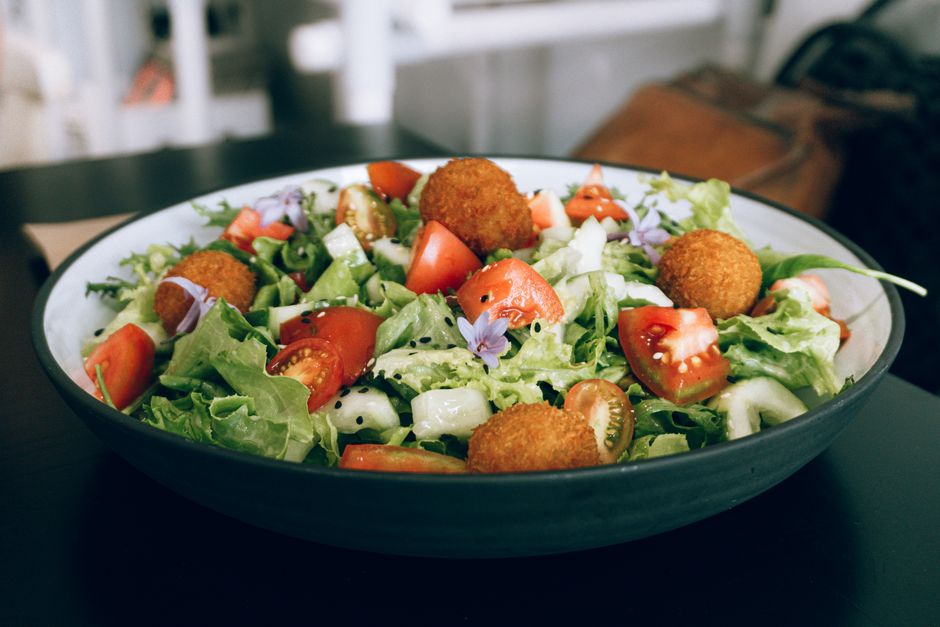
For too long, salad recipes have been relegated to the sidelines of the dining table. We have all encountered the sad side salad: a handful of bland lettuce leaves, a solitary slice of mealy tomato, and a heavy squirt of bottled dressing that overpowers everything it touches. But when constructed with intention, a salad is far more than a dietary obligation. It is a canvas for contrast—where warm grains meet cold greens, where creamy cheeses balance sharp pickling liquids, and where crunchy toasted seeds elevate every bite.
Great salad recipes rely on culinary balance rather than strict rules. Whether you are assembling a quick weekday lunch or preparing a hearty grain bowl that holds up in the refrigerator for four days, understanding texture, acidity, fat, and seasoning will fundamentally change how you cook. In this comprehensive guide, we will explore the foundational elements of salad architecture and walk through a staple recipe: Mediterranean Farro and Roasted Chickpea Salad with Lemon-Herb Vinaigrette. It is chewy, crisp, bright, and substantial enough to serve as a satisfying main dish.
Key Takeaways
- Balance is everything: Every great salad needs a balance of texture (crunchy, chewy, soft), fat (oil, cheese, nuts), and acid (citrus, vinegar).
- Season in layers: Seasoning your grain while cooking and tossing your greens with salt and pepper before dressing makes a dramatic flavor difference.
- Temperature contrast creates interest: Combining warm cooked grains or roasted legumes with cool, fresh vegetables makes salad recipes feel like complete meals.
- Drying greens is non-negotiable: Excess moisture dilutes dressing and prevents it from clinging to leaf surfaces and grains.
- Grain bases offer meal longevity: Hardy grain- and legume-based salads improve after sitting for a few hours, making them ideal for prep-ahead lunches.
The Architecture of Memorable Salad Recipes
Creating memorable salad recipes comes down to layering complementary textures and flavors. Instead of tossing random ingredients into a bowl, think of your salad as having five distinct components. When each component plays a deliberate role, every forkful remains interesting from start to finish.
First, establish your foundation. Leafy greens like arugula, tender butter lettuce, or sturdy kale provide fresh base notes, while whole grains such as farro, quinoa, or wild rice add chew and substance. Next, introduce crunch through raw vegetables, toasted nuts, or roasted seeds. Third, add a rich element like crumbled feta, sliced avocado, or soft-boiled eggs to coat the palate. Fourth, incorporate bright accents like fresh herbs, pickled onions, or juicy cherry tomatoes. Finally, tie everything together with an emulsified dressing that balances quality oil with punchy acid.
| Salad Profile | Base Element | Crunch Element | Rich/Fat Element | Acid Accent | Recommended Dressing |
|---|---|---|---|---|---|
| Mediterranean Grain | Warm Farro & Chickpeas | Cucumbers & Roasted Seeds | Sheep’s Milk Feta | Pickled Red Onion & Olives | Lemon-Herb Vinaigrette |
| Harvest Crunch | Shredded Lacinato Kale | Toasted Pecans & Apples | Aged Sharp Cheddar | Dried Cranberries | Maple Dijon Vinaigrette |
| Southwest Bowl | Quinoa & Black Beans | Toasted Pepitas & Tortilla Strips | Sliced Avocado & Cotija | Pico de Gallo & Lime | Cilantro Lime Dressing |
| Asian-Inspired Crunch | Napa Cabbage & Edamame | Crispy Shallots & Wonton Strips | Sesame Oil & Cashews | Mandarin Oranges | Ginger Sesame Soy Vinaigrette |
Editorial Insight: Always dress salad components separately when working with heavy grains and tender greens. Grains absorb vinaigrettes readily when warm, while leafy greens require only a light, even coat right before serving to avoid wilted leaves.
Featured Recipe Overview: Mediterranean Farro and Roasted Chickpea Salad
This Mediterranean Farro and Roasted Chickpea Salad represents everything a modern main-dish salad should be. Chewy, nutty farro serves as the warm anchor, tossed alongside spiced roasted chickpeas that bring a deep savory crunch. Cool English cucumbers, sweet cherry tomatoes, and salty Kalamata olives add fresh pops of color and flavor, while crumbled feta provides a creamy richness.
What makes this specific dish standout among salad recipes is its resilience. Unlike delicate leaf salads that turn soggy within an hour of being dressed, farro and chickpeas hold up exceptionally well. In fact, as the grains sit in the lemon-garlic vinaigrette, they absorb the seasonings, making leftovers taste even better the next day.
Ingredients and Ingredient Notes
- Farro (1 cup dry): Look for farro perlato (pearled farro) or semi-perlato. Pearled farro cooks faster (around 15–20 minutes) while retaining a delightfully chewy texture. If using whole farro, soak it overnight to shorten the cook time.
- Canned Chickpeas (1 15-oz can): Rinsed, drained, and thoroughly dried with a clean kitchen towel. Removing moisture is essential for getting crisp chickpeas when roasting.
- Extra Virgin Olive Oil (4 tablespoons total): Use a high-quality oil. One tablespoon is used for roasting the chickpeas, while three tablespoons form the rich base of the dressing.
- Spices (Ground Cumin & Smoked Paprika, 1/2 teaspoon each): These warm spices coat the chickpeas before roasting, adding an earthy, subtle smoky flavor profile.
- English Cucumber (1 cup diced): English cucumbers have thinner skin and smaller seeds than standard globe cucumbers, meaning less excess water diluting your salad.
- Cherry Tomatoes (1 cup halved): Sweet and juicy, cherry tomatoes hold their shape much better than sliced large tomatoes.
- Kalamata Olives (1/2 cup pitted and sliced): Brings a punch of salinity and briny depth that cuts through the richness of the grains and cheese.
- Feta Cheese (1/2 cup crumbled): Opt for block feta stored in brine rather than pre-crumbled varieties, which are often coated in anti-caking agents that dry out the cheese.
- Red Onion (1/4 cup finely diced): Adds sharp crunch. If raw onion feels too strong, soak the diced pieces in cold water for 10 minutes before adding to mellow the bite.
- Fresh Herbs (1/4 cup parsley, 2 tbsp mint): Fresh herbs elevate basic salad recipes into restaurant-quality dishes. Do not skip the mint; it adds an unexpected, refreshing finish.
- Dressing Aromatics (Lemon Juice, Dijon Mustard, Fresh Garlic): Freshly squeezed lemon juice provides bright acid, Dijon helps emulsify the oil and acid, and minced garlic adds punchy depth.
Step-by-Step Cooking Instructions
Follow these detailed steps to build this textured Mediterranean grain salad. Timing your grain boiling while the chickpeas roast makes this meal efficient to prepare.
Step 1: Roast the Spiced Chickpeas
Preheat your oven to 400°F (200°C). Drain and rinse the chickpeas, then spread them onto a clean kitchen towel or paper towels. Gently roll them dry, removing any loose skins that pull away easily. Transfer the dry chickpeas to a rimmed baking sheet. Drizzle with 1 tablespoon of olive oil, 1/2 teaspoon ground cumin, 1/2 teaspoon smoked paprika, 1/2 teaspoon salt, and 1/4 teaspoon black pepper. Toss until evenly coated. Spread them into a single layer and roast for 20 to 25 minutes, shaking the pan halfway through, until golden and crunchy on the outside.
Step 2: Cook the Farro
While the chickpeas roast, bring a medium saucepan of generously salted water to a boil (think like pasta water). Add 1 cup of rinsed farro. Reduce heat to medium and simmer uncovered for 15 to 20 minutes, or until the farro is tender with a pleasant chew. Drain the farro thoroughly in a fine-mesh sieve and transfer it to a large mixing bowl to cool slightly.
Step 3: Whisk the Lemon-Herb Vinaigrette
In a small bowl or liquid measuring cup, combine 3 tablespoons of fresh lemon juice, 1 teaspoon of Dijon mustard, 1 minced garlic clove, 1/2 teaspoon of salt, and 1/4 teaspoon of black pepper. Slowly whisk in the remaining 3 tablespoons of extra virgin olive oil until the dressing is fully emulsified and slightly thickened.
Step 4: Combine Grains and Dressing
Pour about half of the prepared vinaigrette over the warm farro. Toss well to combine. Allowing the farro to absorb the dressing while still warm ensures maximum flavor absorption throughout the grain base.
Step 5: Assemble and Season
To the bowl with farro, add the roasted chickpeas, diced English cucumber, halved cherry tomatoes, sliced Kalamata olives, finely diced red onion, chopped parsley, and chopped mint. Pour the remaining vinaigrette over the top and gently fold all ingredients together. Taste and adjust seasoning with a pinch of salt or a squeeze of extra lemon juice if desired.
Step 6: Finish and Serve
Gently fold in 1/2 cup of crumbled block feta cheese just before serving so it retains its texture. Serve warm, at room temperature, or chilled.
Pro Tips for Salad Success and Mistakes to Avoid
Even simple salad recipes can fail if basic culinary principles are overlooked. Here are expert tips to make sure every salad you build turns out perfectly balanced:
- Never dress wet ingredients: Moisture is the enemy of crisp salads. Dry your greens thoroughly in a salad spinner and pat down washed vegetables before tossing. Water repels oil, causing dressings to slip off to the bottom of the bowl.
- Season your greens: Professional chefs season leafy greens directly with a pinch of fine sea salt and freshly cracked black pepper before adding dressing. It brings out the natural sweetness of raw vegetables.
- Emulsify your vinaigrettes: Un-emulsified oil and vinegar separate instantly. Adding a small spoonful of Dijon mustard, honey, or mayonnaise acts as a natural stabilizer, creating a creamy texture that coats every bite evenly.
- Watch the temperature: Hot toppings wilt delicate greens like butter lettuce or spinach immediately. If you are adding warm roasted vegetables or freshly seared chicken to tender greens, let the proteins cool for 5 minutes first. Conversely, sturdy grains like farro welcome warm dressings.
- Don’t over-dress early: Always start with less dressing than you think you need. You can easily add another drizzle, but you cannot rescue soggy, submerged ingredients.
Flavor Variations and Ingredient Substitutions
One of the best qualities of versatile salad recipes is how easily they adapt to dietary needs and seasonal availability. Here are several ways to tailor this recipe:
- Gluten-Free Option: Swap the farro for an equal amount of cooked quinoa, brown rice, or sorghum. Quinoa maintains a light texture, while wild rice offers a similar nutty chew to farro.
- Dairy-Free / Vegan Adaptation: Omit the feta cheese entirely, or swap it for marinated plant-based feta, diced avocado, or spoonfuls of creamy classic hummus.
- Added Protein Boost: Turn this grain bowl into a meat-eater’s feast by topping it with grilled lemon-garlic chicken breast, seared salmon fillets, roasted shrimp, or sliced grilled lamb chop chops.
- Autumn/Winter Seasonal Twist: Replace the fresh cucumbers and tomatoes with roasted butternut squash cubes, steamed baby kale, and toasted pumpkin seeds (pepitas) for a warm weather shift.
Serving Suggestions and Menu Pairings
This Mediterranean grain salad is rich enough to serve as a satisfying main dish on its own, especially for lunches or light summer dinners. However, it also pairs beautifully with a wider spread of Mediterranean dishes.
Serve this salad alongside grilled pita bread, warm garlic naan, or crusty sourdough to scoop up every drop of lemon dressing and crumbled feta. It makes an exceptional side dish for roasted chicken, garlic butter grilled steak, or whole baked branzino. For a complete tapas or mezze spread, pair it with tzatziki, baba ganoush, stuffed grape leaves, and crisp falafel patties.
Storage, Meal Prep, and Keeping Greens Fresh
Unlike traditional leafy greens that break down within hours of dressing, grain-based salad recipes excel when made ahead of time. This makes the Mediterranean Farro Salad an exceptional choice for meal prep.
Refrigeration: Store assembled salad in an airtight container in the refrigerator for up to 4 days. The farro will continue to absorb the dressing, deepening in flavor. If you prefer your chickpeas to stay extra crisp, store the roasted chickpeas in a separate dry container at room temperature and toss them into the salad just before eating.
Meal Prep Tip: If packing this for weekday lunches, layer the salad into glass jars: start with the dressing at the bottom, followed by farro, chickpeas, hard vegetables (cucumbers, olives, onions), tomatoes, and finish with fresh herbs and feta at the top. Shake into a bowl when ready to eat.
Nutritional Information and Macro Breakdown
This meal provides a well-balanced profile of complex carbohydrates, plant-based proteins, dietary fiber, and healthy monounsaturated fats from olive oil. The combination of slow-digesting whole grains and fiber-dense legumes keeps blood sugar steady and provides sustained energy throughout the afternoon.
| Nutrient | Amount Per Serving (1 of 4) | % Daily Value* |
|---|---|---|
| Calories | 410 kcal | 21% |
| Total Fat | 18 g | 23% |
| Saturated Fat | 4.5 g | 23% |
| Sodium | 520 mg | 23% |
| Total Carbohydrates | 52 g | 19% |
| Dietary Fiber | 9 g | 32% |
| Sugars | 5 g | — |
| Protein | 12 g | 24% |
*Percent Daily Values are based on a 2,000-calorie diet. Nutritional values are approximate estimates based on ingredients specified.
Frequently Asked Questions About Salad Recipes
How do I stop my leafy salads from going soggy so quickly?
Sogginess is caused by excess surface water on greens and dressing salads too early. Always spin-dry washed greens completely. Additionally, dress leafy green salads right before serving, or serve the dressing on the side if you expect leftovers. Hardier greens like massaged kale withstand dressing much better than delicate lettuces.
What is the golden ratio for homemade vinaigrette dressings?
The classic culinary standard ratio for a basic vinaigrette is 3 parts oil to 1 part acid (such as lemon juice or wine vinegar). However, for heartier grain salad recipes or dishes with rich cheeses, a brighter 2:1 ratio (two parts oil to one part acid) cuts through heavy textures and brightens complex grains.
Can I make grain-based salad recipes ahead of time for meal prep?
Yes, grain-based salads made with farro, quinoa, barley, or rice are ideal for meal prep. Unlike leaf salads, grains maintain their structure and absorb flavor as they sit in vinaigrette dressings. Store them sealed in the refrigerator for up to 4 days.
What are the best greens for hot vs. cold salad toppings?
For warm toppings (like freshly roasted veggies, warm grains, or seared steak), choose sturdy greens like curly kale, Lacinato kale, Swiss chard, or shredded cabbage. These hold their crunch under heat. For cool toppings, delicate greens such as butter lettuce, baby spinach, red leaf lettuce, and arugula work best.
How do I properly season a salad beyond just dressing?
Seasoning a salad involves salting components individually. Add salt to the boiling water when cooking grains, season raw veggies lightly before assembly, toss your greens with a tiny pinch of fine sea salt and pepper, and top with flavorful additions like toasted spiced nuts, fresh herbs, or aged cheeses.
What can I use instead of farro if I need a gluten-free alternative?
If you require a gluten-free grain, cooked quinoa, wild rice, brown rice, or millet make great substitutes for farro. Quinoa offers a light, fluffy protein boost, while wild rice provides a chewy, earthy texture that closely mimics farro’s bite.
Conclusion
Elevating your daily cooking with vibrant salad recipes comes down to changing your approach to ingredients and structural balance. By combining warm whole grains, crunchy spiced legumes, crisp raw vegetables, sharp herbs, and a vibrant homemade vinaigrette, a salad transforms from a uninspired side dish into a dynamic, satisfying centerpiece meal.
This Mediterranean Farro and Roasted Chickpea Salad is proof that healthy eating does not require compromising on texture, flavor, or satisfaction. Keep a jar of custom lemon-herb dressing in your fridge, cook a pot of your favorite grain over the weekend, and start crafting grain and green bowls that make lunch something to look forward to every day.