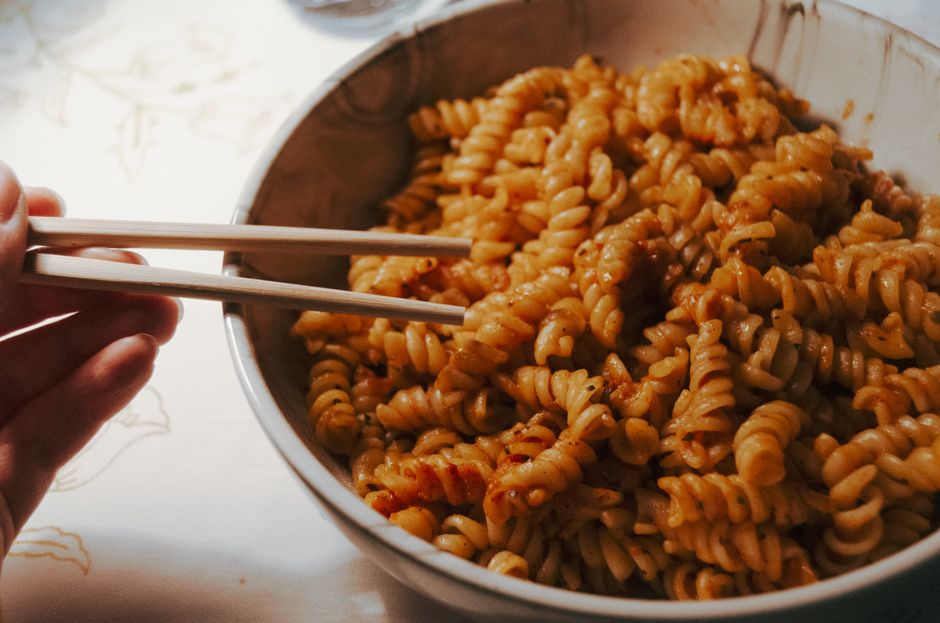
Why Master the Art of the Quick Evening Meal?
We have all arrived at that 6:00 PM wall. The workday was demanding, your energy is completely drained, and the thought of standing over a hot stove chopping four different vegetables feels like running a marathon. In these moments, standard meal plans fall apart. You might be tempted to pull out your phone and spend forty dollars on lukewarm takeout that takes an hour to arrive. Having a dependable roster of real-world lazy dinner ideas is your best defense against weeknight burnout and unnecessary delivery fees.
A proper lazy dinner should never taste like a compromise. It isn’t about eating boring food; it is about maximum efficiency in the kitchen. The best low-effort recipes rely on high-flavor ingredients, smart pan management, and minimal chopping. By utilizing pre-cooked proteins like smoked sausage, broth-cooked pasta techniques, and single-pan builds, you can cook a comforting, restaurant-quality meal faster than a driver can bring a paper bag to your front door.
Key Takeaways
- Minimal Dish Load: Everything cooks in a single deep skillet, leaving you with only one pan to wash after dinner.
- Starch-Emulsified Sauce: Boiling pasta directly in chicken broth captures natural starches, creating a velvety garlic cream sauce without making a separate roux.
- Pantry-Friendly Staples: Uses easily stored ingredients like smoked sausage, dried rigatoni, chicken broth, and fresh spinach.
- Table-Ready in 20 Minutes: Requires less than ten minutes of actual knife work and ten minutes of active cook time.
- Highly Adaptable: Easy to customize with whatever vegetables or proteins you already have sitting in your refrigerator drawers.
The Science Behind One-Pot Pasta Dinners
Traditional pasta cooking requires boiling a massive pot of salted water, draining the noodles in a colander, and making a separate sauce in another pan. It works fine on weekends, but it generates extra dishes and takes unnecessary time. One-pot pasta cooking flips this traditional sequence on its head. By cooking dry pasta in a measured amount of liquid alongside your aromatic base, three important culinary events happen simultaneously:

- The pasta absorbs flavor directly from the seasoned broth rather than unseasoned water.
- The starch released by the pasta stays trapped inside the skillet, thickening the cooking liquid automatically.
- When combined with a small splash of cream and grated cheese at the very end, that starch forms a smooth, glossy sauce that clings to every noodle.
| Lazy Dinner Strategy | Prep Time | Cleanup Level | Best For |
|---|---|---|---|
| One-Pot Pasta | 5-8 mins | Very Low (1 Pan) | Cozy, comforting weeknight meals |
| Sheet Pan Meals | 10 mins | Lowest (Foil Lined) | Roasted veggies and crispy proteins |
| Pantry Quesadillas | 3 mins | Very Low (1 Skillet) | Using up leftover roasted meats |
| 2 mins | Low (1 Pan) | High-protein, quick-fix late dinners |
Ingredients and Shopping Notes
- Smoked Sausage or Kielbasa (14 ounces): Fully cooked smoked pork, turkey, or beef sausage works brilliantly here. Because it is already cured and cooked, your goal is simply to slice it into quarter-inch rounds and sear it until deeply browned. The browned bits left behind on the bottom of the pan form the flavor foundation for your entire sauce.
- Dry Rigatoni or Penne Pasta (8 ounces): Short, tubular shapes with ridges excel at catching emulsified garlic sauce. Avoid long shapes like spaghetti or thin angel hair for this specific one-pot method, as they tend to tangle and cook unevenly in shallow liquids.
- Low-Sodium Chicken Broth (3 cups): Using low-sodium broth gives you complete control over the final salt content. The liquid will evaporate and reduce significantly as the pasta absorbs it, which naturally concentrates the sodium levels.
- Yellow Onion & Fresh Garlic: One medium yellow onion, diced finely, alongside four minced cloves of garlic. If chopping an onion feels like too much effort on a rough night, pre-diced fresh onions or a teaspoon of onion powder will keep things moving smoothly.
- Heavy Cream (1/2 cup): Adds rich body and tempers the smoky spice of the sausage. If you want a lighter profile, whole milk works, though you may need to simmer the sauce an extra minute to achieve the right viscosity.
- Fresh Baby Spinach (2 cups, packed): Fresh spinach wilts into the hot pasta in less than sixty seconds without requiring pre-cooking or chopping. It adds color, fiber, and balance to the rich sausage.
- Parmesan Cheese (1/2 cup, freshly grated): Grating your own Parmesan from a block ensures it melts smoothly into the warm sauce. Pre-shredded tubed cheeses are often coated in cellulose powders that can cause a gritty texture when melted.
- Seasonings & Cooking Fat: One tablespoon of olive oil for searing, one teaspoon of dried Italian seasoning, a quarter-quarter teaspoon of crushed red pepper flakes for subtle heat, plus kosher salt and freshly cracked black pepper.
Chef’s Advice: When making one-pot pastas, resist the urge to add extra liquid early on. It might look like there isn’t enough broth to cover the dry noodles at first, but as you stir occasionally, the pasta softens and settles under the surface. Excess liquid results in soggy pasta and a watery sauce.
Step-by-Step Cooking Instructions
1. Sear the Sausage
Place a large, deep skillet or Dutch oven over medium-high heat and add one tablespoon of olive oil. Once the oil shimmers, add the 14 ounces of sliced smoked sausage. Fry for 4 to 5 minutes, stirring occasionally, until the sausage slices develop a crisp, deep golden brown crust on both sides. Use a slotted spoon to transfer the sausage to a small plate, leaving the rendered savory fat inside the skillet.
2. Soften the Aromatics
Turn the heat down to medium. Add the diced yellow onion to the hot skillet fat. Sauté for 3 to 4 minutes until the onion turns translucent and soft. Add the four minced garlic cloves, one teaspoon of Italian seasoning, and a quarter teaspoon of red pepper flakes. Cook for roughly 60 seconds, stirring constantly, until the garlic becomes fragrant without letting it burn or turn brown.
3. Simmer the Pasta and Broth
Pour in three cups of low-sodium chicken broth, using a wooden spoon to scrape up all the flavorful browned bits (fond) stuck to the bottom of the pan. Stir in 8 ounces of dry rigatoni pasta and half a teaspoon of kosher salt. Bring the liquid to a rolling boil over high heat. Once boiling, immediately reduce the heat to medium-low, cover the skillet with a tight-fitting lid, and let it simmer gently for 10 to 12 minutes.
4. Finish with Cream, Greens, and Cheese
Uncover the pan. The pasta should be tender (al dente) and most of the broth absorbed, leaving a thin layer of concentrated starch liquid at the bottom. Return the seared sausage to the pan. Turn heat to low, then pour in half a cup of heavy cream and stir in two packed cups of baby spinach. Toss gently for 1 to 2 minutes until the spinach wilts into the pasta. Remove the skillet completely from the heat, stir in half a cup of freshly grated Parmesan cheese, and season with cracked black pepper. Let the pasta sit for 2 minutes off the heat so the sauce can thicken into a silky coating.
Cooking Tips and Common Mistakes
- Don’t Walk Away During the Simmer: Give the pasta a quick stir once or twice halfway through the simmer period. Short pasta shapes occasionally settle against the bottom of the skillet and stick if left completely undisturbed.
- Keep the Pan Covered: Retaining steam is essential for uniform pasta cooking. If your skillet lacks a lid, cover it tightly with a piece of aluminum foil while the pasta simmers in the broth.
- Watch the Salt Levels: Smoked sausage and store-bought chicken broth both contain salt. Wait until the very end, after the Parmesan cheese is stirred in, before adding extra salt to the pan.
- Control the Heat: If your burner runs too hot while covered, the broth may evaporate before the pasta has finished softening. If the pan looks dry at minute eight but the pasta is still hard, stir in a quarter-cup of hot water or extra broth.
Ingredient Substitutions & Variations
Flexibility is what makes low-stress cooking successful. You can easily modify this template based on what is hiding in your pantry:
- Protein Swaps: Swap smoked pork sausage for turkey sausage, kielbasa, or pre-cooked chicken sausage links (such as apple-chardonnay or spicy Italian varieties). For a vegetarian version, use a can of drained, rinsed canned white cannellini beans or sliced cremini mushrooms.
- Vegetable Additions: Sliced bell peppers, zucchini, or frozen peas can be added along with the onions. If using delicate greens like baby kale or arugula instead of spinach, stir them in at the end just as you would with spinach.
- Gluten-Free Option: Use a sturdy gluten-free pasta made from corn and rice blends. Keep an eye on the cooking time, as gluten-free pasta can soften faster and absorb slightly less liquid than standard wheat pasta.
- Dairy-Free Modification: Substitute the heavy cream with full-fat canned coconut milk or unsweetened cashew cream, and swap the Parmesan cheese for two tablespoons of nutritional yeast.
Serving Suggestions
Because this sausage pasta is rich, warm, and filling on its own, keep your sides as simple as possible. A bagged Caesar salad kit or crisp arugula tossed with lemon juice and olive oil takes under two minutes to toss together and adds refreshing acidity to balance the garlic cream sauce.
If you have leftover crusty bread or garlic toast, use it to wipe up every last bit of sauce from the bottom of your bowl. A sprinkle of fresh parsley or extra red pepper flakes over the top adds visual appeal right before serving.
Storage and Reheating
Refrigeration: Allow leftovers to cool down completely before transferring them into an airtight storage container. Keep in the refrigerator for up to 4 days.
Reheating on the Stovetop: Place the leftover pasta into a skillet over low heat. As the pasta sits, it will have absorbed the sauce in the fridge. Add 1 to 2 tablespoons of water or chicken broth per serving, stirring gently until warm and creamy again.
Reheating in the Microwave: Transfer a portion to a microwave-safe bowl, splash a teaspoon of water over the top, cover loosely with a paper towel, and heat on medium power in 45-second intervals, stirring between bursts to distribute heat evenly.
Nutrition Information
| Nutrient | Amount Per Serving (1/4 of recipe) |
|---|---|
| Calories | 520 kcal |
| Protein | 22 g |
| Carbohydrates | 46 g |
| Fat | 28 g |
| Saturated Fat | 12 g |
| Fiber | 3 g |
| Sugar | 4 g |
| Sodium | 890 mg |
Frequently Asked Questions
Can I make this recipe using raw sausage instead of smoked sausage?
Yes. If using raw sweet or hot Italian sausage meat, remove it from the casings and cook it in the skillet first, breaking it into crumbles with a wooden spoon until browned through. Drain excess grease if necessary, leaving about one tablespoon in the pan before sautéing the onions.
Why is my pasta taking longer to cook than the package instructions say?
Pasta cooked directly in broth takes approximately 2 to 4 minutes longer than pasta boiled in plain open water. The presence of starches and light fats slows water absorption slightly. Keep the lid on to trap steam and check for doneness around minute eleven.
Can I freeze leftover one-pot pasta?
Freezing pasta dishes containing cream and spinach isn’t ideal, as the dairy can separate upon thawing and the pasta may become mushy. It is best enjoyed fresh or eaten within four days from the refrigerator.
What is the best shape of pasta to use for lazy dinner ideas?
Medium short-cut pastas like rigatoni, penne, rotini, or cavatappi work best for one-pot meals. They hold up well to stirring, cook evenly in contained liquid, and capture thick sauces inside their ridges and hollow centers.
How can I make this dish lighter without losing creaminess?
You can replace the heavy cream with half-and-half or whole milk mixed with one teaspoon of cornstarch. Alternatively, stir in 2 tablespoons of low-fat plain Greek yogurt right at the end after taking the skillet off the burner.
Final Thoughts on Quick Weeknight Meals
Building a collection of easy lazy dinner ideas is about giving yourself permission to take shortcuts without sacrificing quality. Cooking a satisfying meal at home doesn’t require hours of prep, expensive specialized tools, or mountains of dirty pots and pans. With a single skillet, a few basic refrigerated ingredients, and twenty minutes, you can feed yourself and your family a rich, home-cooked meal that tastes like hours of effort went into it. Keep a package of smoked sausage in your fridge and a box of rigatoni in your pantry, and you’ll always be ready for those busy evenings when you need a great meal fast.