The Ultimate Guide to Master Smoothie Recipes: Formula, Tips, and Variations

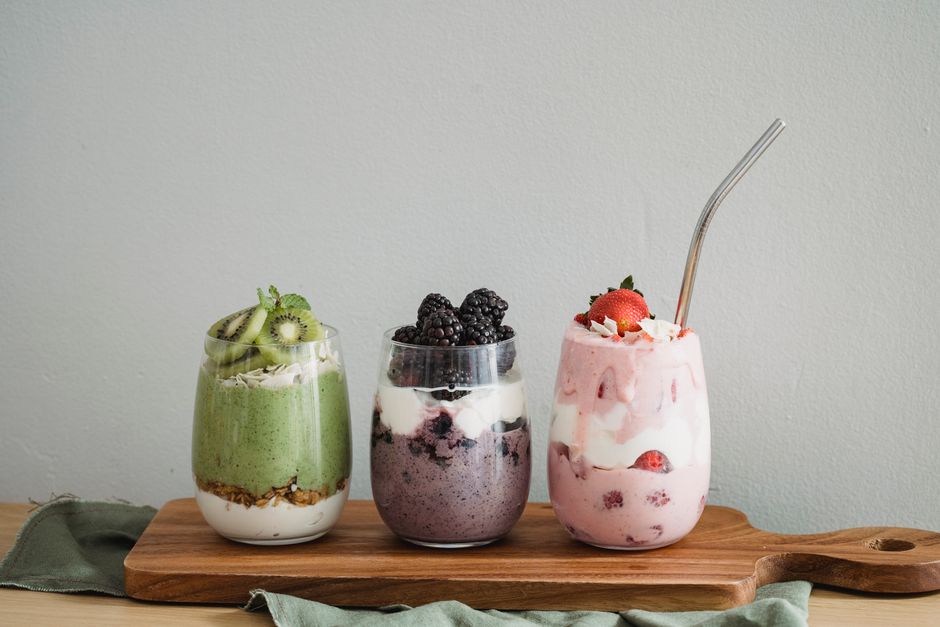
Mastering the Art of Blended Drinks
There’s a subtle science to crafting a truly exceptional smoothie. We’ve all experienced the frustration of a blender stalling against a rock-solid chunk of frozen banana, or ending up with a watery, separated drink that looks more like puddle water than a refreshing breakfast. When you understand how ingredient densities, liquids, and blending power interact, you can transform simple whole foods into silky, restaurant-quality beverages in minutes.
Great smoothie recipes rely on a balance of moisture, natural sugars, healthy fats, and structural binders. Whether you’re blending up a quick morning pick-me-up, a recovery drink after a workout, or a thick smoothie bowl stacked with crunchy toppings, mastering a few core rules will guarantee consistent results every time you turn on your blender. In this guide, we’ll walk through the foundational formula for flawless blending, explore essential ingredient pairings, and share our master berry banana recipe that serves as the blueprint for endless creative variations.
Key Takeaways
- Follow the liquid ratio: Use a baseline ratio of 1 part liquid to 2 parts frozen fruit for a pourable, creamy texture.
- Layer correctly: Always pour liquids and add soft ingredients at the bottom near the blades, saving heavy frozen items and ice for the top.
- Embrace frozen fruit: Frozen fruit eliminates the need for excess ice, keeping your drinks rich and concentrated rather than watered down.
- Include a binder: Ingredients like bananas, yogurt, avocado, or mango create a smooth emulsion that prevents separation.
- Boost nutrition naturally: Incorporate seeds, nut butters, or leafy greens without compromising taste or texture by balancing them with acidic or sweet fruits.
The Golden Ratio for Endless Smoothie Recipes
Once you memorize the fundamental smoothie formula, you won’t need to follow written recipes strictly ever again. You can confidently pull whatever you have in your fridge and freezer and turn it into a balanced drink. The ideal standard smoothie consists of four primary components: liquid base, frozen fruit, soft binders, and optional flavor boosters.
Below is a handy reference chart to help you build balanced smoothie recipes tailored to your preferred consistency and dietary goals:
| Smoothie Style | Liquid Base | Frozen Fruit | Creamy Binder | Optional Boosters |
|---|---|---|---|---|
| Classic Creamy | 1 cup milk or juice | 1.5 cups mixed berries | 1/2 ripe banana or 1/4 cup yogurt | 1 tbsp chia or flax seeds |
| Thick Smoothie Bowl | 1/2 cup almond milk | 2 cups frozen fruit | 1/2 frozen banana + 1/4 avocado | 1 scoop protein powder |
| Nutrient-Dense Green | 1 cup coconut water | 1 cup pineapple or mango | 1/2 banana + 1 cup packed spinach | 1 tsp grated fresh ginger |
| Protein & Energy | 1 cup oat milk | 1 cup frozen banana slice | 2 tbsp peanut or almond butter | 2 tbsp rolled oats + cocoa powder |
Chef’s Insight: To avoid air pockets and motor strain, always pour your liquid into the blender container first. The liquid creates a vortex that draws solid ingredients down toward the spinning blades, ensuring an even, efficient blend without constant tamping.
Recipe Overview: Master Triple Berry Banana Smoothie
This master berry banana smoothie recipe represents the pinnacle of classic breakfast drinks. It strikes an ideal harmony between tart raspberries and blackberries, sweet blueberries, and rich ripe banana. Whole milk Greek yogurt lends a tangy creaminess and natural protein boost, while unsweetened almond milk keeps the texture light and drinkable.
With a active prep time of under five minutes, this drink is simple enough for busy weekday mornings yet luxurious enough to feel like an indulgence. It yields two standard 12-ounce glass portions or one ultra-generous meal-replacement size. Best of all, it keeps its vibrant purple color and creamy texture without separating immediately, making it a reliable staple for your daily routine.
Ingredients and Detailed Ingredient Notes
- Frozen Mixed Berries (1.5 cups): A combination of blueberries, raspberries, and blackberries provides a vibrant color, pleasant tartness, and natural thickeners. Keep them completely frozen until blending.
- Ripe Banana (1 medium): Using a frozen banana sliced into rounds yields the thickest texture. Look for bananas with speckles on the peel for maximum sweetness.
- Plain Greek Yogurt (1/2 cup): Adds thick body, protein, and a subtle tang. You can use full-fat for richness or low-fat depending on your preference. Plant-based yogurt works exceptionally well here too.
- Unsweetened Almond Milk (1 cup): Acts as the neutral liquid base. Oat milk, coconut milk, or dairy milk can be substituted seamlessly in equal measure.
- Chia Seeds (1 tablespoon): These tiny seeds swell slightly during blending, adding dietary fiber and healthy omega-3 fatty acids while helping thicken the drink.
- Honey or Maple Syrup (1 tablespoon, optional): Depending on the natural sweetness of your berries and banana, a touch of unrefined sweetener rounds out any harsh tartness.
Step-by-Step Instructions
- Prepare your workspace: Gather all measured ingredients near your blender. If using fresh bananas, slice them into half-inch rounds first.
- Add liquid and soft bases: Pour the almond milk into the bottom of your blender pitcher. Follow immediately with the Greek yogurt, honey (if using), and chia seeds.
- Layer the frozen fruit: Add the banana slices, then top with the frozen mixed berries. Placing the dense frozen berries at the top pushes all ingredients down into the blades once the blender starts.
- Start on low speed: Turn your blender on its lowest speed setting. Allow the blades to break down the yogurt and liquid base for about 10 to 15 seconds until liquid starts circulating around the lower ingredients.
- Increase to high speed: Slowly ramp up the speed to high. Blend continuously for 45 to 60 seconds. You should see a uniform vortex form in the middle of the pitcher.
- Check consistency: Stop the blender and remove the lid. Insert a long spoon to check for unblended frozen fruit chunks. If the smoothie seems too thick to pour, add an extra tablespoon or two of liquid and pulse briefly.
- Pour and serve: Pour the creamy smoothie into two chilled glasses. Serve immediately with a wide straw or enjoy straight from the glass.
Pro Blending Tips and Common Mistakes to Avoid
Even with great ingredients, small mistakes in technique can compromise your finished drink. Here are practical ways to ensure your blender delivers smooth results every single time:
- Don’t overuse ice cubes: Ice dilutes flavor as it melts and creates a grainy, slushy consistency rather than a smooth, velvety texture. Rely on frozen fruit for chilling and thickening whenever possible.
- Scrapes and Tamps: If your blender stalls or forms an air bubble (cavitation), stop the motor completely before inserting a tamper or spatula to push ingredients down toward the blade assembly.
- Blender Power Matters: Standard household blenders need a bit more liquid than high-speed professional units. If your blender motor smells like it is straining, add liquid 2 tablespoons at a time until the mixture moves freely.
- Blend Greens First: If you’re adapting this recipe to include tough greens like kale or collard greens, blend the leafy greens and liquid base together *before* adding any fruit. This eliminates stringy bits of green in your finished drink.
- Watch the Blend Time: Blending too long on high speed creates friction, which warms up your cold drink and turns frozen fruit watery. Keep total blending time under 90 seconds.
Ingredient Substitutions and Creative Variations
One of the best features of basic smoothie recipes is their adaptability. You can easily tweak this foundational recipe to accommodate dietary needs or pantry inventory:
Dairy-Free and Vegan Version
Replace the Greek yogurt with a thick coconut-milk yogurt or silk tofu. Substitute maple syrup or agave nectar for the honey. Use your favorite plant-based milk like oat, almond, or soy milk.
Green Energy Boost
Add 1 cup of loosely packed fresh baby spinach to the blender along with the liquid base. Spinach offers a rich green color without altering the sweet berry taste profile of the drink.
Tropical Sunshine Swap
Swap the mixed berries for equal parts frozen mango chunks and frozen pineapple pieces. Use coconut water or light coconut milk as your liquid base for a tropical twist.
High-Protein Post-Workout Variation
Add 1 scoop of unflavored or vanilla protein powder along with 1 tablespoon of creamy almond butter. Add an extra 2 to 3 tablespoons of liquid to balance the absorbent nature of protein powders.
Serving and Presentation Ideas
While a simple glass works fine, a thoughtful presentation makes your morning routine feel special:
- Chilled Glassware: Place your glasses in the freezer for 10 minutes before blending to keep your smoothie icy cold until the last sip.
- Garnish Layers: Top your smoothie with a sprinkling of extra chia seeds, a few fresh blueberry pieces, or a drizzle of warm nut butter.
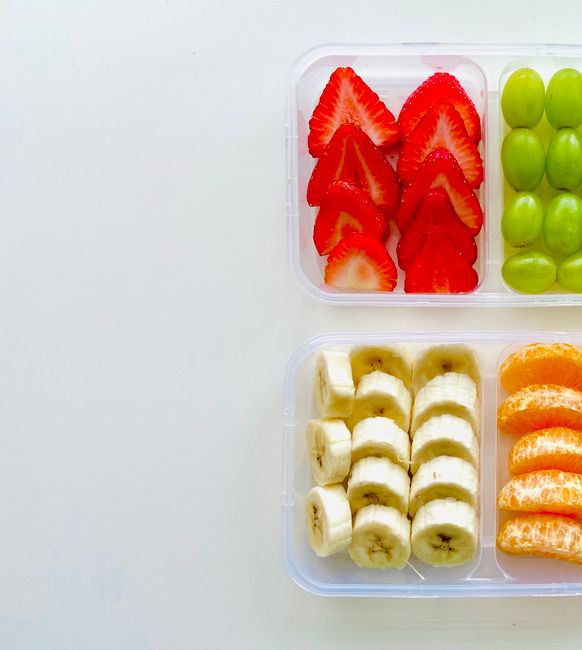
- Smoothie Bowls: Reduce the liquid in this recipe by half. Pour the thick mixture into a shallow bowl and arrange sliced fresh strawberries, toasted coconut flakes, granolas, and hemp seeds in neat rows across the top.
Storage, Freezing, and Meal Prep Hacks
Smoothies are always best enjoyed fresh out of the blender, but you can easily prepare them ahead of time with a few smart strategies:
Refrigeration: Stored in an airtight glass jar or mason jar fitted with a lid, a prepared smoothie will stay fresh in the refrigerator for up to 24 hours. Some separation is natural; simply shake the jar vigorously before drinking.
Freezer Meal Prep Bags: Measure your banana, berries, and chia seeds into individual silicone freezer bags. Label and freeze for up to 3 months. When ready to drink, dump the contents of the bag into your blender, add your fresh liquid and yogurt, and blend.
Smoothie Popsicles: Pour leftover smoothie mixture into silicone popsicle molds and freeze for at least 4 hours. They make fantastic, refreshing snacks for kids and adults during warmer months.
Nutrition Breakdown
Smoothies offer an efficient way to pack vitamins, mineral content, fiber, and antioxidant-rich foods into your diet. This master berry recipe delivers dietary fiber alongside natural potassium from the banana and calcium from the yogurt base.
| Nutritional Element | Estimated Amount Per Serving (1 glass / 12 oz) |
|---|---|
| Calories | Approx. 210 kcal |
| Protein | 9 g |
| Carbohydrates | 38 g |
| Dietary Fiber | 7 g |
| Total Sugars | 22 g (Natural Fruit Sugars) |
| Total Fat | 3.5 g |
| Saturated Fat | 1 g |
| Sodium | 85 mg |
| Potassium | 480 mg |
Frequently Asked Questions
Why is my smoothie too thin and watery?
A thin consistency usually results from using too much liquid base or relying on fresh warm fruit instead of frozen items. To fix it, blend in a few pieces of frozen banana, frozen berries, or a few ice cubes until the drink thickens up to your liking.
How can I make smoothie recipes thick without bananas?
If you don’t like bananas or can’t eat them, great alternatives for adding structure include frozen avocado chunks, frozen mango, steam-and-frozen cauliflower florets, or thick Greek yogurt. Chia seeds and rolled oats also absorb moisture and thicken drinks effectively.
Can I prepare smoothie recipes the night before?
Yes, you can blend your smoothie the night before and store it in an airtight glass jar filled close to the top to minimize oxidation. Keep it cold in the fridge overnight. Give it a firm shake or brief re-blend in the morning before serving.
What liquid is best for blending smoothies?
The choice depends on your personal preference and dietary goals. Water or coconut water keeps calorie levels low and refreshing. Dairy or plant-based milks like oat, almond, and soy create a richer, creamy profile. Fruit juices add sweetness but increase total sugar levels.
How do I stop my smoothie from separating after blending?
Separation happens when water separates from pulp and insoluble fiber. Adding a binding agent like chia seeds, flaxseeds, yogurt, nut butter, or avocado creates an emulsion that holds ingredients together much longer.
Conclusion
Mastering smoothie recipes is all about finding the right balance between liquids, frozen elements, and natural thickeners. Once you get comfortable with basic layering techniques and liquid ratios, you can effortlessly invent your own colorful flavor combinations using seasonal fruits, leafy greens, and protein boosts. Keep frozen berries and bananas well-stocked in your freezer, follow our liquid-first loading order, and you’ll enjoy café-quality, nutrient-packed drinks right from your home kitchen every single day.