Engaging Introduction
Whether you’re an experienced baker or a beginner, cake decorating can transform a simple dessert into a showstopper. From elegant designs to playful themes, there are countless ways to make your cake look as impressive as it tastes. In this guide, we’ll explore a variety of cake decorating ideas that cater to every occasion, from birthdays and weddings to holidays and casual gatherings.
Not only will these ideas help you create stunning visuals, but they’ll also enhance the overall experience of your dessert. So, grab your tools and let’s dive into the world of cake decorating!
Key Takeaways
- Master basic decorating techniques for a professional look.
- Use edible decorations to add a touch of elegance.
- Experiment with different themes for a personalized touch.
- Learn how to troubleshoot common decorating issues.
- Discover budget-friendly alternatives to expensive tools.
Recipe Overview
This guide will focus on a versatile vanilla cake that serves as the perfect canvas for your decorating ideas. We’ll cover everything from the recipe to the decorating process, ensuring you have all the tools you need to create a beautiful and delicious cake.
Ingredients and Ingredient Notes
| Ingredient | Amount | Notes |
|---|---|---|
| Unsalted butter | 1 cup (2 sticks), softened | Use real butter for the best flavor. |
| Granulated sugar | 2 cups | For sweetness and texture. |
| Eggs | 4 large | At room temperature for better incorporation. |
| Vanilla extract | 2 teaspoons | For a classic vanilla flavor. |
| All-purpose flour | 2 1/2 cups | Sifted for a lighter texture. |
| Baking powder | 2 teaspoons | For leavening. |
| Salt | 1/2 teaspoon | To enhance flavors. |
| Milk | 1 cup | At room temperature for better mixing. |
| Fondant (optional) | As needed | For more advanced decorating. |
| Food coloring (optional) | As needed | To achieve desired colors. |
| Decorative sprinkles, edible flowers, etc. | As needed | For a finishing touch. |
Step-by-Step Cooking Instructions
- Preheat the oven: Set your oven to 350°F (175°C). Grease two 9-inch round cake pans and line the bottoms with parchment paper.
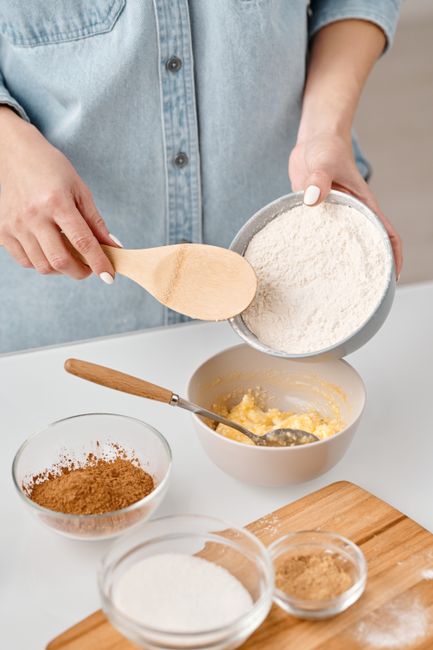
- Mix the dry ingredients: In a medium bowl, whisk together the flour, baking powder, and salt. Set aside.
- Cream the butter and sugar: In a large mixing bowl, beat the butter and sugar together until light and fluffy, about 3-4 minutes. Add the eggs one at a time, beating well after each addition. Stir in the vanilla extract.
- Combine wet and dry ingredients: Gradually add the flour mixture to the butter mixture, alternating with the milk, starting and ending with the flour mixture. Mix until just combined, being careful not to overmix.
- Bake the cake: Divide the batter evenly between the prepared pans. Smooth the tops and bake for 25-30 minutes, or until a toothpick inserted into the center comes out clean.
- Cool the cake: Allow the cakes to cool in the pans for 10 minutes, then turn them out onto a wire rack to cool completely.
- Decorate the cake: Once the cakes are cool, you can begin decorating. Use your chosen frosting or fondant to create your desired design. Add sprinkles, edible flowers, or other decorative elements to finish the look.
Cooking Tips and Common Mistakes
Tips:
- Always measure ingredients accurately to ensure consistent results.
- Room temperature ingredients mix better and result in a smoother batter.
- Don’t overmix the batter, as this can lead to a tough cake.
- Use a cake leveler or a long serrated knife to ensure the layers are even.
Common Mistakes:
- Overbaking: This can cause the cake to dry out. Always check the cake a few minutes before the recommended time.
- Uneven layers: Make sure the batter is evenly distributed in the pans to avoid lopsided layers.
- Heavy hand with frosting: Too much frosting can overpower the cake. Apply a thin, even layer for a professional look.
Ingredient Substitutions or Variations
Butter: You can use a combination of butter and oil for a moister cake. Use 1/2 cup butter and 1/2 cup oil.
Flour: For a gluten-free option, use a 1:1 gluten-free flour blend.
Milk: Substitute with almond milk, coconut milk, or any other non-dairy milk for a dairy-free version.
Frosting: While a classic buttercream is perfect, you can also use cream cheese frosting, whipped cream, or ganache for a different flavor profile.
Serving Suggestions
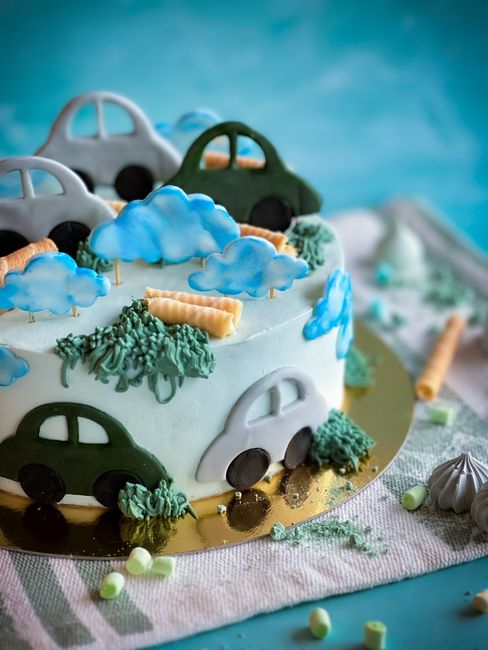
This vanilla cake is versatile and can be served at a variety of occasions. For a birthday party, consider a bright and colorful design with sprinkles and a personalized message. For a more formal event, a simple, elegant design with fresh flowers or a dusting of powdered sugar can be stunning. Don’t be afraid to mix and match different decorating techniques to create a unique look that suits the occasion.
Storage and Reheating
Storage: Store the decorated cake in an airtight container at room temperature for up to 3 days. If using perishable decorations, refrigerate the cake and bring it to room temperature before serving.
Reheating: If the cake has been refrigerated, allow it to come to room temperature before serving. For a warm slice, you can microwave individual pieces for 10-15 seconds.
Nutrition Information
Per Serving:
| Nutrient | Amount |
|---|---|
| Calories | Approx. 350 kcal |
| Protein | 12 g |
| Carbohydrates | 45 g |
| Fat | 14 g |
| Fiber | 7 g |
| Sugar | 5 g |
| Sodium | 400 mg |
FAQ
What are some easy cake decorating ideas for beginners?
For beginners, simple designs like a smooth buttercream frosting with a dusting of cocoa powder or a sprinkle of coconut flakes can look elegant. You can also use piping tips to create basic patterns like rosettes or swirls. As you gain confidence, you can try more complex designs.
Can I use gel food coloring instead of liquid?
Yes, gel food coloring is a great alternative to liquid food coloring. It provides more vibrant colors without affecting the texture of the cake. Use a small amount at a time and mix well to achieve the desired shade.
How do I fix a cake that’s too dry?
If your cake turns out too dry, you can try brushing it with a simple syrup made from equal parts water and sugar. Heat the mixture until the sugar dissolves, then let it cool and brush it over the cake layers. This can help add moisture and sweetness.
What are some creative cake decorating ideas for a wedding?
For a wedding cake, consider a minimalist design with a smooth, white frosting and delicate details like fresh flowers, pearl embellishments, or a lace pattern. You can also add a touch of metallic gold or silver for a more luxurious look. Themed designs, such as a floral or geometric pattern, can also be beautiful.
Can I use fondant to decorate a cake without a crumb coat?
It’s generally recommended to apply a crumb coat before using fondant. A crumb coat is a thin layer of frosting applied to the cake to seal in any loose crumbs. This ensures a smooth surface for the fondant and prevents it from tearing. If you skip the crumb coat, the fondant may stick to the cake and become difficult to work with.
When working with fondant, it’s essential to keep your hands and work surface lightly dusted with cornstarch or powdered sugar to prevent sticking. This will make the process smoother and help you achieve a professional finish.
Conclusion
Cake decorating is a fun and rewarding skill that can elevate your baking to the next level. Whether you’re creating a simple design for a family gathering or a more elaborate cake for a special occasion, the key is to have fun and let your creativity shine. With practice, you’ll develop your own unique style and techniques. So, grab your tools, gather your ingredients, and let’s get decorating!