The Secret to Fast, Flavor-Packed Weeknight Dinners
When long workdays leave you exhausted, having a reliable roster of easy pasta recipes makes all the difference between ordering expensive takeout and enjoying a comforting home-cooked meal. Pasta is undeniably one of the most versatile ingredients in any kitchen pantry. It cooks in minutes, pairs seamlessly with basic pantry staples, and adapts easily to whatever vegetables or proteins you happen to have sitting in your refrigerator.
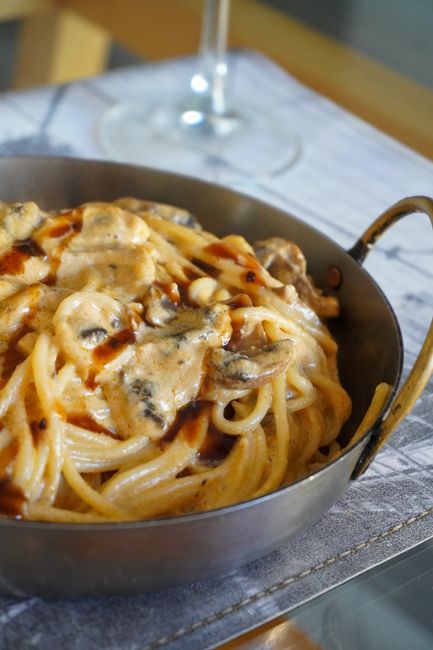
However, cooking a truly great pasta dish requires more than just boiling noodles and stirring in a jar of pre-made sauce. The art of easy pasta recipes lies in understanding how simple techniques—like salting your water properly, timing your pasta boil, and utilizing starchy cooking liquid—can elevate everyday ingredients into restaurant-quality dinners. This creamy garlic sun-dried tomato pasta demonstrates those very principles. It delivers bold, concentrated flavor from garlic, sweet-tart sun-dried tomatoes, freshly grated Parmesan, and tender baby spinach, all wrapped in a glossy sauce that comes together in less than twenty minutes.
Key Takeaways
- Emulsification is essential: Reserving hot, starchy pasta water allows your oil, cream, and cheese to form a silky, cohesive sauce rather than a greasy mixture.
- Salt the water generously: Properly salted water seasons the pasta from the inside out while it cooks, improving the overall flavor profile of your finished dish.
- Use bronze-cut pasta when possible: Pasta extruded through bronze dies features a rougher surface texture that grips sauces much better than smooth-extruded varieties.
- Mind your garlic timing: Garlic burns quickly in hot oil; sautéing it gently over medium-low heat preserves its sweet aroma without adding bitter notes to the sauce.
- Grate your own cheese: Pre-shredded packaged cheeses contain anti-caking additives that prevent smooth melting, leading to grainy pasta sauces.
Recipe Overview
This dish relies on a simple, skillet-based approach. While your chosen pasta boils in salted water, you quickly build a flavorful aromatic base right in a heavy-bottomed skillet. By combining the oil from jarred sun-dried tomatoes with sliced garlic and subtle red pepper flakes, you create an intensely fragrant oil foundation. Heavy cream and grated Parmesan then melt into this base, lightened and smoothed by a splash of reserved pasta water.
The active prep work takes less than ten minutes, consisting mainly of mincing garlic, slicing sun-dried tomatoes, and measuring out dairy ingredients. Total cook time runs parallel to your pasta boiling time, meaning the entire meal reaches the dinner table in under twenty minutes. It serves four generously as a main course, or six when accompanied by a light green salad and crusty bread.
Understanding Your Ingredients
The success of straightforward, easy pasta recipes depends entirely on ingredient quality and preparation. Because there are only a handful of components in this dish, each ingredient plays an important functional and flavorful role.
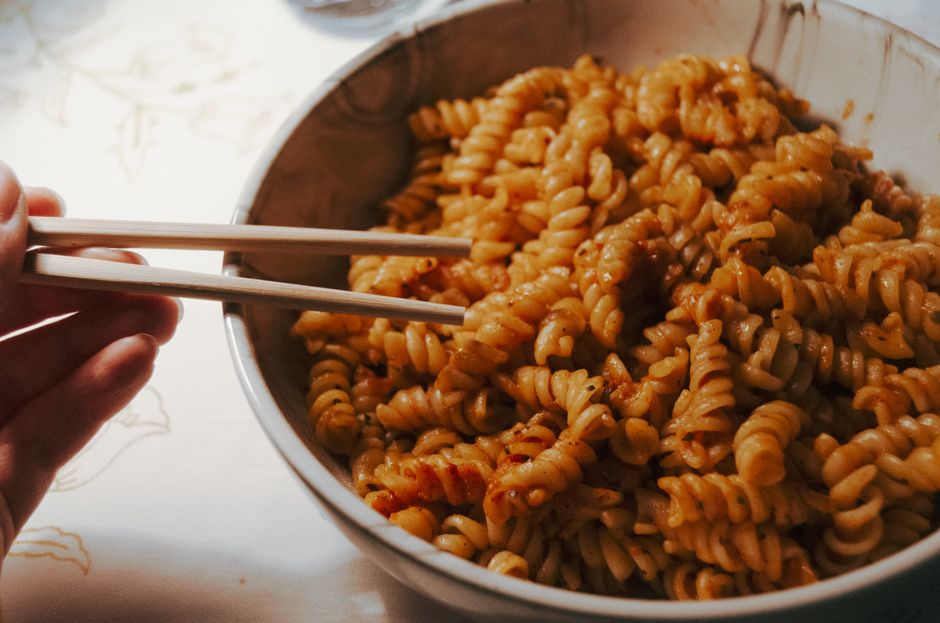
- Short Cut Pasta: Shapes like rigatoni, penne, fusilli, or cavatappi excel with creamy sauces. Their ridges, tubes, and spirals trap the rich cream and bits of garlic and sun-dried tomato inside every bite.
- Sun-Dried Tomatoes in Oil: Opt for oil-packed sun-dried tomatoes rather than dry-packed ones. The oil inside the jar is infused with tomato essence and herb seasonings, making it an incredible flavor enhancer when used to sauté your garlic.
- Fresh Garlic: Mincing or thinly slicing fresh garlic cloves gives a bright, aromatic punch that pre-chopped garlic in jars simply cannot match.
- Heavy Cream: Heavy cream or heavy whipping cream yields the stablest sauce. The higher fat content prevents curdling when mixed with hot pasta water and gentle acidic notes from the tomatoes.
- Parmigiano-Reggiano: Freshly grated Parmesan adds salty, savory depth (umami) and helps thicken the liquid into a clinging sauce.
- Fresh Baby Spinach: Wilted into the pan during the final thirty seconds, baby spinach adds color, texture, and a mild vegetal freshness that cuts through the rich sauce.
- Pasta Water: Often called liquid gold in Italian cooking, the cloudy, starchy water left behind after boiling pasta acts as a binding emulsifier.
Pasta Shape & Sauce Compatibility Guide
Selecting the correct noodle shape is a vital step when mastering easy pasta recipes. Different shapes are engineered to complement specific sauce densities and textures.
| Pasta Category | Popular Shapes | Best Sauce Pairing | Starch Release Level | Ideal Cook Time Range |
|---|---|---|---|---|
| Short & Tubular | Rigatoni, Penne, Ziti | Cream sauces, chunky vegetable sauces, meat ragùs | High | 10 to 12 minutes |
| Twisted & Spiraled | Fusilli, Cavatappi, Rotini | Pesto, emulsified butter/oil sauces, rich cheese sauces | Medium-High | 9 to 11 minutes |
| Long & Flat | Fettuccine, Tagliatelle, Pappardelle | Heavy cream sauces, butter sauces, smooth purees | Medium | 8 to 11 minutes |
| Long & Thin | Spaghetti, Linguine, Capellini | Light oil bases, seafood, tomato broths, aglio e olio | Low-Medium | 6 to 9 minutes |
Step-by-Step Cooking Instructions
1. Boil the Pasta Water
Bring 4 quarts of cold water to a rolling boil in a large stockpot over high heat. Add 2 tablespoons of kosher salt to the boiling water. Drop in 12 ounces of rigatoni or penne pasta. Stir well during the first minute of boiling to prevent the pieces from sticking together or clinging to the bottom of the pot.
2. Sauté the Aromatics
While the pasta boils, place a large skillet over medium-low heat. Add 1 tablespoon of olive oil and 1 tablespoon of the oil drained from your sun-dried tomato jar. Add 4 minced cloves of garlic and 1/4 teaspoon of crushed red pepper flakes. Sauté gently for 1 to 2 minutes until the garlic is fragrant and light golden, taking care not to let it brown or burn.
3. Build the Sauce Base
Add 1/2 cup of drained, thinly sliced sun-dried tomatoes to the skillet. Cook for 1 minute to warm them through and release their savory aroma. Pour in 3/4 cup of heavy cream and bring the mixture to a gentle simmer over medium heat. Reduce heat to low and let it simmer gently for 2 to 3 minutes until slightly reduced.
4. Reserve Pasta Water and Drain
Test your pasta 2 minutes before the package directions suggest for al dente. It should be cooked through but still retain a firm bite in the center. Before draining, carefully dip a measuring cup into the pot and reserve at least 1 cup of hot, starchy pasta water. Drain the remaining pasta in a colander, but do not rinse it.
5. Emulsify and Combine
Transfer the drained pasta directly into the skillet with the simmering cream sauce. Pour in 1/2 cup of the reserved pasta water along with 3/4 cup of freshly grated Parmesan cheese. Toss constantly over low heat for 1 to 2 minutes. As you stir, the cheese will melt, and the starch in the water will blend with the fats, creating a glossy sauce that coats every piece of pasta.
6. Fold in Greens and Finish
Turn off the heat entirely. Add 2 cups of fresh baby spinach to the skillet. Gently fold the spinach into the warm pasta; the residual heat will naturally wilt the greens within 30 to 60 seconds without overcooking them. Taste the pasta and season with fresh ground black pepper and additional kosher salt if needed. Serve immediately into warmed bowls.
The biggest secret to restaurant-quality easy pasta recipes isn’t heavy cream or fancy cheeses—it is reserving hot, starchy pasta cooking water to emulsify your fats into a cohesive, glossy coating.
Essential Cooking Tips and Common Mistakes
Even simple dishes can suffer from tiny mechanical errors. Keep these practical tips in mind when preparing quick pasta meals:
Never Skip Salting the Boiling Water
Pasta absorbs water as it expands during cooking. If you do not add salt to the pot, the noodles themselves remain completely unseasoned on the inside. Adding salt directly to your finished sauce later will only season the exterior of the dish, leaving the core bland. Aim for roughly 1 to 2 tablespoons of kosher salt per 4 quarts of water.
Avoid Rinsing Your Pasta
Rinsing cooked pasta under cool tap water washes away the fine layer of surface starch that helps sauce stick to the noodles. The only exception to this rule is when preparing a cold pasta salad, where you want to stop the cooking process and prevent sticking.
Manage Your Heat When Adding Cheese
High, direct heat causes dairy proteins in Parmesan to tighten up and separate from their fat content, resulting in a oily, gritty texture. Always turn down the heat or remove the skillet from the burner entirely right before stirring in your grated cheese.
Easy Recipe Variations & Substitutions
One benefit of mastering easy pasta recipes is how easily you can customize them based on dietary preferences or available ingredients.
- Add Lean Protein: Top the finished dish with sliced grilled chicken breast, seared shrimp, or crispy diced pancetta. For a plant-based option, fold in a can of rinsed, drained white beans (cannellini) during the last minute of simmering.
- Make it Dairy-Free / Vegan: Replace the heavy cream with full-fat canned coconut milk or raw cashew cream (blended soaked cashews and water). Substitute the Parmesan with nutritional yeast or your favorite vegan hard cheese alternative.
- Swap the Greens: If you do not have baby spinach, try chopped Tuscan kale, fresh sweet basil leaves, or tender baby arugula. If using kale, add it a few minutes earlier so the tougher leaves soften properly.
- Gluten-Free Option: Substitute traditional wheat pasta with high-quality gluten-free varieties made from brown rice, corn, or chickpeas. Keep a close eye on cook times, as gluten-free pasta releases starch differently and can turn soft quickly if overboiled.
Serving Suggestions
This creamy sun-dried tomato pasta is rich and satisfying on its own, but pairing it thoughtfully creates a balanced meal:
- Crusty Italian Bread: A warm slice of sourdough or garlic bread is ideal for wiping up any extra creamy garlic sauce left at the bottom of the bowl.
- Crisp Green Salad: Balance the rich dairy notes with a bright salad made of crisp romaine, shaved fennel, and fresh cucumber tossed in a tart lemon-herb vinaigrette.
- Roasted Vegetables: Serve alongside pan-roasted asparagus, char-grilled zucchini, or broccolini tossed with olive oil and lemon zest.
Storage and Reheating Guidelines
Cream-based pasta dishes are always best enjoyed immediately after preparation, as the sauce is perfectly emulsified. However, leftovers can be stored and enjoyed safely with proper technique.
Refrigeration: Allow leftover pasta to cool completely to room temperature. Transfer into an airtight glass or plastic container and store in the refrigerator for up to 3 to 4 days.
Reheating on the Stovetop: Avoid microwaving cream pasta on high power, which breaks the sauce into an oily pool. Instead, place leftovers in a skillet over low heat. Add 1 to 2 tablespoons of water, milk, or broth to splash moisture back into the pan. Stir gently until heated through uniformly.
Reheating in the Microwave: If using a microwave, warm the pasta in 30-second increments at 50% power, adding a small splash of water or milk, and stirring between each interval until warm.
Nutritional Profile Breakdown
Below is the estimated nutritional breakdown for one serving of Creamy Garlic Sun-Dried Tomato Pasta (based on 4 total servings).
| Nutritional Metric | Amount Per Serving | Daily Value Percentage (% DV)* |
|---|---|---|
| Calories | 480 kcal | 24% |
| Total Fat | 22 g | 28% |
| Saturated Fat | 11 g | 55% |
| Trans Fat | 0 g | 0% |
| Cholesterol | 45 mg | 15% |
| Sodium | 520 mg | 23% |
| Total Carbohydrates | 56 g | 20% |
| Dietary Fiber | 4 g | 14% |
| Sugars | 5 g | — |
| Protein | 14 g | 28% |
*Percent Daily Values are based on a 2,000 calorie diet. Your daily values may be higher or lower depending on your calorie needs.
Frequently Asked Questions
Why does my pasta sauce turn out oily instead of creamy?
An oily sauce occurs when the fat separates from the liquid base, usually due to excessive heat or lack of emulsifying starch. To fix or prevent this, ensure you do not boil the sauce aggressively after adding heavy cream and cheese. Always mix in a small amount of starchy pasta water over medium-low heat to help hold the emulsion together smoothly.
Can I put oil in the boiling pasta water to keep noodles from sticking?
No, you should avoid adding oil to your cooking water. Oil floats on top of the water surface and coats the pasta as you drain it. This oily film prevents the sauce from adhering properly to the noodles. Instead, prevent sticking by boiling your pasta in plenty of water and stirring it during the first minute of cooking.
How far in advance can I make this pasta dish?
While pasta is best freshly cooked, you can prepare the garlic cream and sun-dried tomato sauce base up to 2 days ahead of time and keep it refrigerated. When ready to eat, simply boil fresh pasta, reheat the sauce gently in a skillet, and toss everything together with hot pasta water as instructed.
What can I use instead of heavy cream for a lighter sauce?
To reduce fat content, you can substitute whole milk or half-and-half blended with 1 teaspoon of cornstarch to maintain thickness. Alternatively, canned evaporated milk works well because it provides a creamy consistency without the high saturated fat levels found in heavy cream.
Should I cover the pot while boiling pasta?
You can cover the pot with a lid to bring cold water to a boil faster. However, once you add the pasta and the water returns to a boil, remove the lid entirely. Leaving the lid on after adding pasta will cause the starchy water to foam up and rapidly boil over onto your stovetop.
How do I keep my garlic from burning when making quick sauces?
Always add garlic to a skillet that is warm, not smoking hot. Keep the burner set to medium-low, and cook the garlic for only 60 to 90 seconds while stirring continuously. Once you smell its rich aroma, immediately add liquid or secondary ingredients (like sun-dried tomatoes or cream) to drop the skillet temperature and stop the garlic from browning further.
Conclusion
Building a collection of easy pasta recipes is one of the most practical culinary investments you can make for weeknight cooking. By focusing on fundamental techniques—such as reserving starchy cooking water, properly salting your boil, and combining fats with gentle heat—you turn humble pantry staples into an impressive, velvety meal in under twenty minutes.
This creamy garlic sun-dried tomato pasta is simple, versatile, and deeply satisfying. Whether you keep it classic with fresh spinach and grated Parmesan or tailor it with your favorite proteins and vegetables, it delivers maximum comfort with minimal effort. Keep a box of rigatoni and a jar of sun-dried tomatoes in your pantry, and you will always be less than half an hour away from a delicious home-cooked dinner.