An Approachable Start to Plant-Based Cooking
Transitioning toward plant-forward eating doesn’t mean learning an entirely new culinary language or spending hours hunting down obscure specialty foods. When looking into vegan recipes for beginners, the most successful dishes rely on familiar cooking methods and pantry staples that yield big flavor with minimal fuss. A great starter recipe should build confidence, satisfy hearty appetites, and prove that vegetable-focused meals are rich, filling, and deeply comforting.
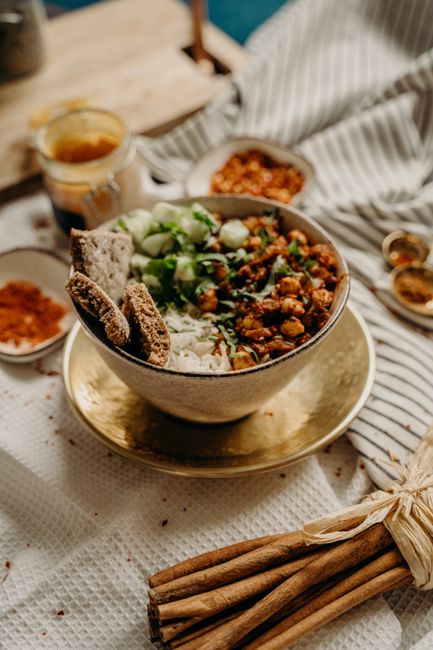
This creamy coconut red lentil curry hits every target for cooks new to plant-based preparation. Red lentils cook quickly without soaking, breaking down into a silky, thick base that absorbs garlic, ginger, and warm spices. Full-fat coconut milk adds creaminess without dairy, while a final squeeze of fresh lime juice lifts the dish with brightness. Whether you’re trying out a Meatless Monday or shifting toward a full plant-based lifestyle, this simple one-pot meal shows how satisfying simple ingredients can be.
Key Takeaways
- Pantry-Friendly: Made almost entirely from stable pantry ingredients like red lentils, coconut milk, and canned tomatoes.
- Quick Cooking Time: Red lentils break down in under 20 minutes, bringing dinner to the table in roughly half an hour.
- One-Pot Cleanup: Everything simmers together in a single Dutch oven or deep skillet, saving time on dishes.
- Naturally Balanced: Naturally packed with plant protein, complex carbohydrates, and dietary fiber without needing processed meat alternatives.
- Meal Prep Ready: Flavors deepen overnight, making leftovers even better for lunch or dinner the next day.
Pantry Staples for Beginner Vegan Cooking
Building confidence in plant-based cooking starts with keeping a few versatile ingredients on hand. Having these core building blocks ready makes it easy to whip up satisfying vegan recipes for beginners without extra trips to the grocery store.
| Pantry Staple | Role in Plant-Based Cooking | Shelf Life | Key Culinary Benefit |
|---|---|---|---|
| Red Split Lentils | Protein base & natural thickener | 12–18 Months | No soaking required; cooks in 15–20 minutes |
| Full-Fat Coconut Milk | Dairy-free richness & mouthfeel | 12–24 Months | Creates silky sauces without cream or butter |
| Canned Diced Tomatoes | Acidic, savory liquid base | 18–24 Months | Provides umami and balances rich fats |
| Vegetable Broth Base | Flavor foundation for soups & grains | 6–12 Months | Adds deep savory notes to simmered dishes |
| Nutritional Yeast | Nutty, cheesy seasoning boost | 12 Months | Delivers B-vitamins and savory depth |
Ingredients and Ingredient Notes
To ensure your curry turns out balanced and flavorful, quality ingredients matter. Here is everything you need, along with notes on selecting the best options:
- Red Split Lentils: Unlike brown or green lentils, red split lentils cook down quickly and break apart, creating a naturally thick texture. Rinse them thoroughly in a fine-mesh sieve to remove excess starch before cooking.
- Full-Fat Coconut Milk: Canned full-fat coconut milk provides the velvety texture essential for a rich curry sauce. Light coconut milk can work, but the final texture will be thinner and less luxurious.
- Aromatics (Yellow Onion, Fresh Garlic, Fresh Ginger): These three ingredients form the aromatic base. Using fresh garlic and ginger rather than powdered versions delivers a noticeably vibrant taste.
- Spices (Garam Masala, Ground Cumin, Ground Turmeric, Yellow Curry Powder): This warming spice blend adds depth without extreme heat. Ensure your spices are fresh for the best aroma.
- Diced Tomatoes: Petite diced canned tomatoes add sweet acidity to balance the rich coconut milk.
- Low-Sodium Vegetable Broth: Controls the salt level while lending savory notes to the simmering lentils.
- Fresh Baby Spinach: Stirred in right at the end, spinach adds vibrant color and extra nutrients.
- Lime Juice & Fresh Cilantro: Adding fresh acid and green herbs right before serving cuts through the richness and brightens all the flavors.
To build deep flavor in plant-based curries without relying on meat broths, always bloom your ground spices in warm oil with your onions, garlic, and ginger for 60 to 90 seconds before adding liquids. This unlocks fat-soluble aromatic compounds that boiling alone cannot release.
Step-by-Step Cooking Instructions
- Sauté the Aromatics: Heat the coconut oil (or olive oil) in a large Dutch oven or heavy-bottomed pot over medium heat. Add the finely diced yellow onion and sauté for 5 to 6 minutes until soft and translucent. Add the minced garlic and grated ginger, cooking for another 60 seconds until fragrant.
- Bloom the Spices: Reduce the heat to low. Stir in the yellow curry powder, ground cumin, garam masala, ground turmeric, and red pepper flakes. Stir constantly for about 1 minute. The mixture will become very dry and fragrant as the heat releases the essential oils in the spices.
- Incorporate Liquids and Lentils: Pour in the rinsed red lentils, canned diced tomatoes with their juices, low-sodium vegetable broth, and full-fat coconut milk. Stir thoroughly, scraping up any spices stuck to the bottom of the pot. Season with kosher salt and black pepper.
- Simmer until Tender: Bring the liquid to a gentle boil over medium-high heat. Once boiling, immediately turn the heat down to low, cover the pot with a tight-fitting lid, and let it simmer for 18 to 20 minutes. Stir occasionally to keep the lentils from sticking to the bottom. The lentils should turn soft and creamy, losing their distinct shape.
- Add Greens and Finish: Remove the lid and stir in the baby spinach leaves. Cook for 2 to 3 minutes until the spinach wilts into the curry. Turn off the heat. Stir in the fresh lime juice and season with additional salt if needed.
- Rest and Serve: Let the curry rest off the heat for 5 minutes to allow the sauce to thicken slightly. Spoon over warm basmati rice and garnish generously with chopped fresh cilantro and extra lime wedges.
Cooking Tips and Common Mistakes
Even simple recipes benefit from good technique. Keep these practical pointers in mind to avoid common kitchen slips:
- Rinse your lentils thoroughly: Skipping the rinse can leave dusty residue and excess starch on the lentils, leading to a gummy texture.
- Don’t skip blooming the spices: Dumping ground spices directly into broth leaves them tasting raw and dusty. Toasting them briefly in warm oil releases their full potential.
- Keep the simmer low: High heat will cause the coconut milk to separate and the lentils to scorch on the bottom of your pot. Keep the flame low and stir every few minutes.
- Balance acidity at the end: If your curry tastes flat or heavy, it almost always needs acid rather than salt. A squeeze of fresh lime juice right before serving lifts the heavy fats and brings out the earthy spices.
Ingredient Substitutions and Variations
This recipe is forgiving and easy to adapt based on what you have in your kitchen:
- Greens: Swap the baby spinach for finely chopped kale or Swiss chard. If using sturdier greens like kale, simmer them for 5 minutes longer so they soften completely.
- Extra Vegetables: Fold in small diced sweet potatoes, Yukon Gold potatoes, or cauliflower florets alongside the tomatoes and broth. Keep in mind you may need to add 5 to 10 minutes to the total simmer time.
- Oil-Free Option: Sauté the onions, garlic, and ginger in two tablespoons of vegetable broth or water instead of oil to keep the dish oil-free.
- Protein Boost: Stir in a rinsed can of chickpeas (garbanzo beans) during the last 10 minutes of cooking for contrasting texture and added plant protein.
Serving Suggestions
Serve this warm red lentil curry over cooked basmati or jasmine rice, which absorbs the extra coconut sauce. Warm garlic vegan naan or pita bread works great for scooping up the lentils.
For a complete meal, pair it with a fresh cucumber and tomato salad dressed in lemon juice to add crunch and contrast. A drizzle of coconut yogurt on top can also offer a cool, tangy touch against the warm spices.
Storage and Reheating
Lentil curry stores exceptionally well, making it ideal for advance meal preparation:
- Refrigeration: Allow the curry to cool down to room temperature, then transfer it into airtight glass containers. Store in the refrigerator for up to 5 days.
- Freezing: Transfer completely cooled curry to freezer-safe containers or silicone pouches, leaving an inch of space for expansion. Freeze for up to 3 months. Thaw overnight in the fridge before reheating.
- Reheating: As red lentils sit, they absorb liquid and thicken considerably. When reheating on the stovetop or in the microwave, add a splash of vegetable broth, water, or extra coconut milk to restore the creamy texture. Heat gently over medium-low flame, stirring frequently.
Nutrition Information
Below is the estimated nutritional profile for one serving (about 1.5 cups) of red lentil curry without optional rice or bread side dishes.
| Nutrient | Amount Per Serving | % Daily Value* |
|---|---|---|
| Calories | 365 kcal | — |
| Total Fat | 16 g | 21% |
| Saturated Fat | 12 g | 60% |
| Sodium | 480 mg | 21% |
| Total Carbohydrates | 42 g | 15% |
| Dietary Fiber | 10 g | 36% |
| Sugars | 6 g | — |
| Protein | 14 g | 28% |
| Iron | 5.2 mg | 29% |
| Potassium | 620 mg | 13% |
*Percent Daily Values are based on a 2,000 calorie diet. Your daily values may be higher or lower depending on your calorie needs.
Frequently Asked Questions
How do I make sure vegan recipes for beginners don’t taste bland?
Blandness in plant-based cooking usually stems from under-seasoning or lacking acidity and fat. Build flavor by sautéing aromatics thoroughly, blooming ground spices in oil, and finishing dishes with fresh acids like citrus juice or vinegar. Don’t forget to salt your food in stages rather than just at the end.
Can I use green or brown lentils instead of red lentils?
Green and brown lentils hold their shape when cooked and require 35 to 45 minutes to soften. Red split lentils cook down in 15 to 20 minutes and break apart into a thick puree. If you use brown lentils, increase the liquid by 1 cup and extend the cooking time significantly, though the dish will be more like a stew than a smooth curry.
How do I get enough protein on a vegan diet without meat substitutes?
Whole plant foods like lentils, chickpeas, black beans, quinoa, tofu, tempeh, nuts, and seeds provide plenty of dietary protein. A single serving of this red lentil curry offers roughly 14 grams of protein purely from the lentils and vegetables, without needing processed plant-based meat substitutes.
What are the best basic ingredients to stock for easy vegan cooking?
Focus on versatile whole foods: canned beans (chickpeas, black beans, kidney beans), dry red and brown lentils, whole grains (brown rice, quinoa, oats), canned full-fat coconut milk, canned diced tomatoes, nutritional yeast, tahini, and vegetable stock powder or paste.
Why did my red lentil curry turn out too thick or dry?
Red lentils continue absorbing liquid even after the heat is turned off. If your curry turns out too thick, simply whisk in a few tablespoons of warm vegetable broth, hot water, or coconut milk until you reach your preferred consistency.
Building Lasting Habits with Plant-Based Cooking
Starting out with vegan recipes for beginners is about finding flavorful, reliable dishes that fit comfortably into your routine. This creamy red lentil curry shows how basic pantry ingredients can yield a rich, comforting meal in just over half an hour. By building confidence with basic techniques like blooming spices and balancing fats with fresh citrus, you unlock the key to delicious plant-based cooking at home. Keep your pantry stocked with a few essentials, take things one step at a time, and enjoy exploring new flavor profiles in your kitchen.