Engaging Introduction
There’s something incredibly comforting about the aroma of freshly baked cinnamon rolls wafting through the house. It’s not just the sweet scent of cinnamon and the warm, gooey texture that makes these treats so special; it’s the memories they bring. Whether it’s a lazy Sunday morning or a special occasion, a homemade cinnamon roll recipe can transform any day into a moment of pure indulgence. In this article, we’ll guide you through the process of creating the perfect batch of cinnamon rolls, ensuring they’re as delightful as they are delicious.
Key Takeaways
- Master the art of making soft and fluffy dough.
- Learn the secret to a perfectly sweet and aromatic cinnamon filling.
- Discover tips for achieving a gooey, caramelized topping.
- Explore ingredient substitutions and variations to suit different dietary needs.
- Get advice on serving, storing, and reheating your cinnamon rolls.
Recipe Overview
Cinnamon rolls are a classic breakfast treat that combines a tender, pillowy dough with a fragrant cinnamon-sugar filling and a rich, buttery glaze. This recipe is designed to be approachable for bakers of all skill levels, with clear instructions and helpful tips to ensure success. Whether you’re a seasoned baker or a beginner, you’ll find this cinnamon roll recipe to be a rewarding and enjoyable experience.
Ingredients and Ingredient Notes
Dough:
- 2 1/4 cups all-purpose flour (plus extra for dusting)
- 1/4 cup granulated sugar
- 1 packet (2 1/4 teaspoons) active dry yeast
- 3/4 cup warm milk (110°F/43°C)
- 1/4 cup unsalted butter, melted
- 1 large egg, room temperature
- 1/2 teaspoon salt
Filling:
- 1/2 cup packed light brown sugar
- 2 teaspoons ground cinnamon
- 1/4 cup unsalted butter, softened
Topping:
- 1/2 cup powdered sugar
- 1/4 cup unsalted butter, melted
- 1 teaspoon vanilla extract
- 1-2 tablespoons milk (for desired consistency)
Notes:
- Ensure the milk is warm, not hot, to activate the yeast without killing it.
- Using room temperature ingredients helps the dough come together more smoothly.
- For a richer flavor, you can use whole milk instead of regular milk.
Step-by-Step Cooking Instructions
- Prepare the Dough: In a large mixing bowl, combine the flour, sugar, and yeast. Stir to mix. In a separate bowl, whisk together the warm milk, melted butter, egg, and salt. Add the wet ingredients to the dry ingredients and mix until a dough forms. Knead the dough on a floured surface for about 5 minutes until it is smooth and elastic.
- First Rise: Place the dough in a greased bowl, cover with a damp cloth, and let it rise in a warm place for about 1 hour, or until it has doubled in size.
- Prepare the Filling: In a small bowl, mix together the brown sugar and cinnamon. Set aside.
- Roll and Fill the Dough: Once the dough has risen, punch it down to release any air bubbles. On a floured surface, roll the dough into a 12×16-inch rectangle. Spread the softened butter evenly over the dough. Sprinkle the cinnamon-sugar mixture over the butter, leaving a small border around the edges.
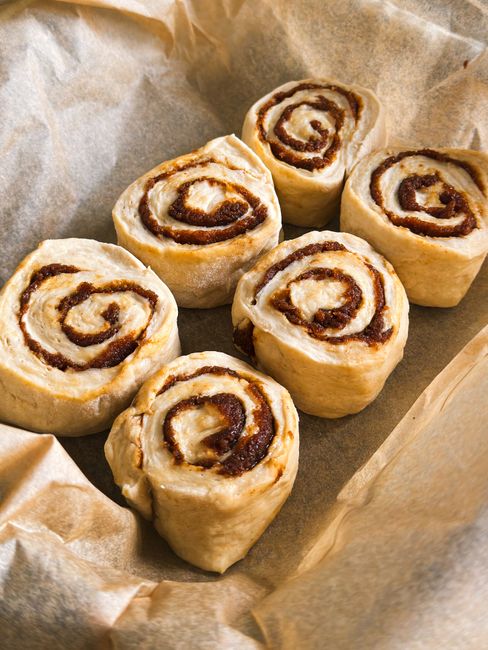
- Roll and Cut the Rolls: Starting from the long side, roll the dough tightly into a log. Using a sharp knife or dental floss, cut the log into 12 equal slices. Place the slices into a greased 9×13-inch baking pan.
- Second Rise: Cover the pan with a damp cloth and let the rolls rise for about 30 minutes, or until they have puffed up slightly.
- Bake the Rolls: Preheat your oven to 375°F (190°C). Bake the rolls for 25-30 minutes, or until they are golden brown and the filling is bubbly.
- Prepare the Topping: While the rolls are baking, whisk together the powdered sugar, melted butter, vanilla extract, and milk in a small bowl until smooth. Adjust the consistency with more or less milk as needed.
- Glaze the Rolls: Once the rolls are done, remove them from the oven and let them cool for a few minutes. Drizzle the glaze over the warm rolls and serve immediately.
Cooking Tips and Common Mistakes
Tips:
- Proof the Yeast Properly: Ensure the milk is at the right temperature (110°F/43°C) to activate the yeast without killing it. This step is crucial for a successful rise.
- Knead the Dough: Kneading helps develop the gluten in the flour, which gives the dough its elasticity and helps it rise properly.
- Use a Sharp Knife: When cutting the dough into rolls, use a sharp knife or dental floss to ensure clean, even slices. This helps the rolls rise uniformly and look neat.
- Don’t Overbake: Keep an eye on the rolls as they bake to ensure they don’t overcook. Overbaking can result in dry, tough rolls.
Common Mistakes:
- Using Cold Ingredients: Cold ingredients can slow down the yeast’s activity and affect the rise of the dough. Always use room temperature ingredients.
- Not Letting the Dough Rise Enough: Both the first and second rises are important. Not allowing enough time for the dough to rise can result in dense, flat rolls.
- Overmixing the Dough: Overmixing can lead to a tough, chewy texture. Mix the dough just until it comes together, then knead it until smooth.
Ingredient Substitutions or Variations
Substitutions:
- Flour: You can use bread flour instead of all-purpose flour for a slightly chewier texture. For a gluten-free option, use a gluten-free all-purpose flour blend.
- Milk: Use almond milk, soy milk, or oat milk for a dairy-free version.
- Butter: Substitute with coconut oil for a vegan option.
- Sugar: For a less sweet version, reduce the amount of sugar in the filling and glaze.
Variations:
- Pumpkin Spice Cinnamon Rolls: Add 1 teaspoon of pumpkin pie spice to the filling for a fall-inspired twist.
- Chocolate Chip Cinnamon Rolls: Fold in 1/2 cup of chocolate chips into the cinnamon-sugar mixture before rolling the dough.
- Caramel Pecan Cinnamon Rolls: Add a layer of caramel and chopped pecans to the filling for an extra indulgent treat.
Serving Suggestions
Cinnamon rolls are best enjoyed fresh out of the oven, while the glaze is still warm and gooey. They can be served on their own or paired with a variety of accompaniments:
- Warm Milk or Coffee: A classic pairing that complements the sweet and spicy flavors of the rolls.
- Fresh Fruit: Serve with sliced apples, pears, or berries for a touch of freshness.
- Cream Cheese Frosting: For an extra-rich topping, replace the glaze with a cream cheese frosting.
- Whipped Cream: A dollop of whipped cream adds a light and airy texture to the rich rolls.
Storage and Reheating
Storage:
Cinnamon rolls are best consumed within 24 hours of baking. Store any leftovers in an airtight container at room temperature for up to 3 days. For longer storage, freeze the rolls in a freezer-safe container for up to 2 months.
Reheating:
To reheat cinnamon rolls, preheat your oven to 350°F (175°C). Place the rolls on a baking sheet and warm them for 5-10 minutes, or until they are heated through. Alternatively, you can microwave the rolls for 15-20 seconds, but be cautious as microwave reheating can sometimes make the rolls less fluffy.
Nutrition Information
| Nutrient | Amount per Serving |
|---|---|
| Calories | Approx. 350 kcal |
| Protein | 12 g |
| Carbohydrates | 45 g |
| Fat | 14 g |
| Fiber | 7 g |
| Sugar | 5 g |
| Sodium | 400 mg |
FAQ
Can I make cinnamon rolls ahead of time?
Yes, you can prepare the dough and rolls ahead of time and refrigerate them overnight. Let them come to room temperature and rise for about 30 minutes before baking.
Why are my cinnamon rolls dense and flat?
Dense and flat rolls are often the result of not letting the dough rise enough. Ensure you give the dough enough time to rise both before and after rolling and cutting.
Can I freeze cinnamon rolls?
Yes, you can freeze cinnamon rolls. Prepare the rolls and place them in a greased pan. Cover and freeze for up to 2 months. To bake, let them thaw overnight in the refrigerator, then bake as directed.
What can I use instead of yeast?
If you don’t have yeast, you can use baking powder as a leavening agent. However, the texture and flavor will be different. For each packet of yeast, use 1 tablespoon of baking powder and 1 teaspoon of sugar.
How can I make my cinnamon rolls more flavorful?
To enhance the flavor, you can add a teaspoon of vanilla extract to the dough, use whole milk instead of regular milk, or add a pinch of nutmeg to the cinnamon-sugar mixture.
Conclusion
Making cinnamon rolls from scratch is a rewarding experience that brings a sense of warmth and comfort to any home. With this recipe, you’ll be able to create soft, fluffy rolls with a delightful cinnamon-sugar filling and a rich, buttery glaze. Whether you’re a seasoned baker or a beginner, these tips and tricks will help you achieve perfect results every time. So, gather your ingredients, roll up your sleeves, and get ready to enjoy one of life’s sweetest treats.