Revolutionize Your Mornings with Intentional Breakfast Prep
Mornings are notoriously unpredictable. Between early alarm clocks, getting ready for the day, and managing family schedules, preparing a wholesome, fresh meal from scratch often feels impossible. Too often, convenience wins, leading to reliance on sugary processed pastries, expensive coffee shop sandwiches, or skipping breakfast altogether. That approach usually leaves you dealing with a mid-morning energy crash, brain fog, and intense cravings before lunchtime even arrives.
Adopting a regular healthy breakfast meal prep routine completely changes that dynamic. By spending just forty minutes on a Sunday afternoon roasting vegetables, browning lean protein, and gently cooking eggs, you set yourself up with four or five days of nourishing, chef-quality breakfasts. Reheating a perfectly balanced bowl takes under two minutes, turning chaotic mornings into calm, seamless starts.
This recipe focuses on real, nutrient-dense foods: caramelized sweet potato cubes, savory ground turkey sausage, tender Tuscan kale, and gently baked whole eggs. It delivers an ideal balance of complex carbohydrates, high-quality protein, and healthy fats. Most importantly, it is specifically engineered to hold up beautifully in the refrigerator without getting soggy or losing flavor.

Key Takeaways
- Balanced Macronutrients: Provides a thoughtful ratio of lean protein, fiber-rich complex carbs, and clean fats to sustain blood sugar levels.
- Moisture Management: Cool every ingredient completely before sealing your containers to prevent condensation and sogginess.
- Texture Retention: Roasting sweet potatoes at high heat creates a caramelized exterior that stays firm even after microwave reheating.
- Time-Saving Efficiency: Yields four complete, satisfying portions in under 45 minutes of total kitchen time.
- Customizable Base: Easily adapts to vegetarian, dairy-free, low-carb, or gluten-free dietary requirements.
Recipe Overview & Science of Meal Prepping Breakfast
Creating a successful healthy breakfast meal prep requires an understanding of how cooked foods behave when chilled and reheated. Many home cooks struggle with meal prep because their eggs turn rubbery, their greens turn to mush, or their potatoes become unpleasantly waterlogged. These issues stem from improper cooking techniques and premature packaging.
Eggs are particularly sensitive to heat. When egg proteins are overcooked initially, their protein tightens and forces water out—a process known in culinary science as syneresis. When you reheat overcooked eggs in a microwave, they tighten further, turning tough and watery. To solve this, our recipe bakes eggs gently at a moderate temperature just until the whites are set and the yolks are soft, leaving room for gentle finish-heating later in the week.
Similarly, sweet potatoes contain natural sugars that caramelize around 300°F (150°C). By roasting them at 400°F (200°C) with a light coating of olive oil, we develop a crisp outer crust that acts as a barrier, preventing the interior starch from absorbing excess moisture during storage.
Ingredients and Detailed Notes
To achieve the best flavor, texture, and nutritional balance, select high-quality ingredients. Here is what you will need for this prep routine:
- Sweet Potatoes: You will need two medium sweet potatoes (about 1 pound total), scrubbed and cut into uniform 1/2-inch cubes. Keeping the skin on adds extra fiber, rustic texture, and valuable micronutrients, but feel free to peel them if you prefer.
- Olive Oil: Extra virgin olive oil promotes crisping and helps conduct heat evenly during roasting. Avocado oil is an excellent alternative due to its high smoke point.
- Seasoning Blend: A quick mixture of garlic powder, smoked paprika, fine sea salt, and freshly cracked black pepper. The smoked paprika adds a warm, bacon-like depth without adding extra sodium or synthetic flavorings.
- Ground Turkey Sausage: Eight ounces of lean turkey sausage adds savory flavor and high-quality protein while keeping saturated fats lower than traditional pork sausage. Look for brands without added nitrates or artificial preservatives.
- Tuscan Kale: Three cups of fresh Tuscan kale (also known as Lacinato or dinosaur kale), washed, stemmed, and finely chopped. Tuscan kale holds its structural integrity much better than curly kale or spinach when cooked and stored for several days.
- Large Eggs: Eight large eggs serve as the primary protein anchor. Using fresh, high-quality eggs yields richer yolks and cleaner flavor.
- Unsweetened Almond Milk or Whole Milk: Two tablespoons whisked into the eggs helps tenderize the protein curds, keeping them soft when baked.
- Crumbled Feta Cheese (Optional): One-quarter cup of creamy, salty feta cheese sprinkled over the top provides a sharp accent that cuts through the rich potatoes and sausage.
Step-by-Step Cooking Instructions
Follow these logical, streamlined steps to minimize prep time and dirty dishes.
Step 1: Prep and Preheat
Preheat your oven to 400°F (200°C). Line a large, heavy-rimmed baking sheet with parchment paper. Parchment paper prevents sticking and ensures clean caramelization without requiring excessive oil.
Step 2: Roast the Sweet Potatoes
Place your cubed sweet potatoes directly onto the prepared baking sheet. Drizzle with one tablespoon of olive oil, then sprinkle evenly with the garlic powder, smoked paprika, half of the salt (1/4 teaspoon), and black pepper. Toss well with your hands or a spatula to coat every piece thoroughly. Spread the potatoes into a single layer, ensuring they are not crowded. Roast for 22 to 25 minutes, flipping with a spatula halfway through, until the edges are golden brown and tender when pierced with a fork. Remove from the oven and set aside to cool.
Step 3: Brown the Sausage and Wilt the Kale
While the sweet potatoes roast, place a medium skillet over medium-high heat. Add the ground turkey sausage, breaking it apart with a wooden spoon. Cook for 6 to 8 minutes until the sausage is fully browned and reaches an internal temperature of 165°F (74°C). Reduce heat to medium-low, add the chopped Tuscan kale to the skillet, and season with the remaining 1/4 teaspoon of sea salt. Stir constantly for 2 to 3 minutes until the kale is wilted and vibrant green. Remove from heat immediately.
Step 4: Bake the Eggs
Reduce oven temperature to 350°F (175°C). Lightly grease eight cups of a standard silicone muffin pan or non-stick metal muffin tin with olive oil spray. In a large measuring cup or bowl, whisk the eight eggs together with two tablespoons of milk until completely smooth. Divide the egg mixture evenly among the eight muffin cups. Bake for 12 to 14 minutes, just until the egg centers are set. Do not overbake. Allow them to cool in the pan for 5 minutes before removing.
Step 5: Assemble and Cool Completely
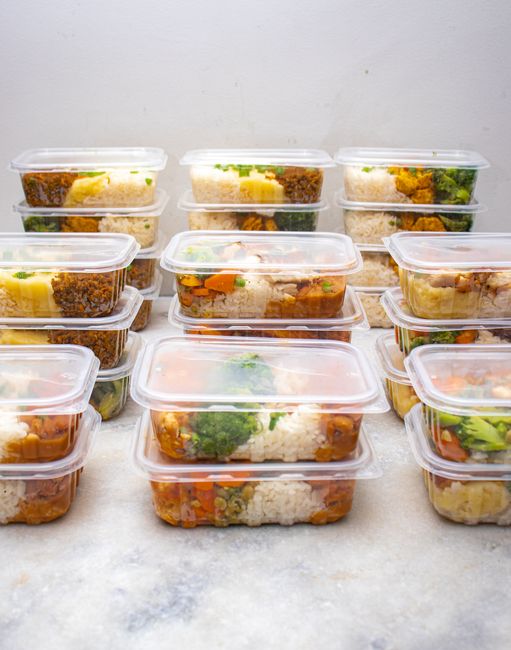
Set out four high-quality, glass meal prep containers. Divide the roasted sweet potatoes evenly among the bottoms of the four containers. Top each potato layer with equal portions of the turkey sausage and kale mixture. Place two baked egg cups onto each bed of greens and potatoes. Top with optional feta cheese if desired. Crucial Step: Leave the container lids off and allow all ingredients to come to room temperature completely before sealing.
Selecting the Right Meal Prep Containers
Your choice of storage container directly impacts the quality of your prepped breakfasts by the fourth or fifth day. Plastic containers may be lightweight and affordable, but they pose long-term challenges. Over time, plastic retains lingering food odors, stains easily when heated with oils or spices like paprika, and can warp in the dishwasher. Furthermore, microwaving hot, fatty foods in plastic raises valid food safety concerns regarding chemical leaching.
Invest in tempered glass containers with locking, BPA-free plastic lids fitted with silicone seals. Glass is non-porous, completely chemical-free, stain-resistant, and oven/microwave-safe. It holds heat evenly during warming and preserves the crisp textures of your food far better than plastic.
| Container Type | Durability | Microwave & Oven Safety | Moisture Control | Best Used For |
|---|---|---|---|---|
| Tempered Glass | High (Long-lasting) | Exceptional (Safe up to high heat) | Superior (Tight air seal) | Multi-ingredient hot meal prep bowls |
| BPA-Free Plastic | Moderate (Warps over time) | Moderate (Microwave only, lower heat) | Fair (Porous over time) | Cold snacks, short-term cold storage |
| Stainless Steel | Very High (Indestructible) | Not Microwave Safe | Excellent (Airtight) | Cold salads, dry items, travel snacks |
| Silicone Bags/Bento | High (Flexible) | Safe for microwave & boiling water | Good (Space-saving) | Freezer storage, individual egg bites |
Cooking Tips and Common Mistakes
Even simple recipes benefit from precise execution. Pay attention to these practical tips to refine your meal prep process:
- Avoid the Condensation Trap: Never place hot food directly into a sealed container and put it in the fridge. The warm air releases steam, which condenses into water droplets on the inside of the lid. This dripping water lands on your potatoes and eggs, making them soggy.
- Size Consistency Matters: Cut sweet potatoes into uniform 1/2-inch cubes. If some pieces are large and others small, the smaller ones will burn before the larger pieces become tender.
- Don’t Skip the Fat: A small amount of healthy oil helps distribute heat, brown surfaces evenly, and aids in the absorption of fat-soluble vitamins (A, D, E, K) found in kale and egg yolks.
- Underbake Slightly for Reheating: Remember that you will heat these bowls in a microwave later in the week. Bake your eggs just until they set, so they do not become tough during reheating.
The key to successful healthy breakfast meal prep isn’t just cooking food ahead of time; it’s managing moisture. Storing hot ingredients before they fully cool traps steam, creating soggy potatoes and watery eggs by day three.
Ingredient Substitutions and Variations
Adaptability makes a weekly meal prep routine sustainable over months. You can modify this recipe base to suit seasonal produce, fridge contents, or dietary restrictions:
Vegetarian Option
Omit the turkey sausage and replace it with one can (15 ounces) of rinsed and drained black beans or chickpeas. Toss the beans into the skillet with the kale during the last two minutes of cooking to heat through. Alternatively, use plant-based sausage crumbles.
Low-Carb / Keto Variation
Swap out the sweet potatoes for roasted cauliflower florets or diced radishes. When roasted with olive oil, paprika, and garlic, radishes lose their sharp bite and take on a texture surprisingly similar to roasted red potatoes, with a fraction of the carbohydrates.
Dairy-Free Adaptation
Ensure your egg mixture uses unsweetened plant milk (such as almond, oat, or soy) and skip the optional feta cheese garnish. Add a quarter of a fresh avocado or a tablespoon of nutritional yeast right before serving for rich, savory flavor.
Mediterranean Greens Switch
If kale is too assertive for your taste, replace it with fresh baby spinach or Swiss chard. Because spinach cooks down much faster than kale, simply turn off the heat and fold the spinach into the warm turkey sausage right at the end; the residual heat will wilt it gently.
Serving Suggestions
While these healthy breakfast meal prep bowls are complete on their own, fresh toppings added just before eating can elevate the dish with extra texture and flavor contrast:
- Fresh Avocado: Add sliced fresh avocado after reheating for creamy texture and healthy fats.
- Hot Sauce or Salsa: A drizzle of your favorite fiery hot sauce, green salsa verde, or fresh pico de gallo adds acidity and bright flavor.
- Fresh Herbs: Chopped fresh cilantro, flat-leaf parsley, or chives added after warming bring bright, garden-fresh flavor.
- Greek Yogurt Spurt: A dollop of plain, non-fat Greek yogurt provides a cool, tangy element similar to sour cream, along with an extra protein boost.
Storage and Reheating Instructions
Proper storage ensures food safety and optimal quality across your work week.
Refrigerator Storage
Store sealed glass containers in the main compartment of your refrigerator (not in the door, where temperature fluctuates). Consume within four to five days.
Reheating Instructions
For best results, remove the container lid and cover the bowl loosely with a damp paper towel. The damp paper towel creates gentle steam, preventing the eggs from drying out and keeping the potatoes soft inside. Microwave on medium power (70% power) for 1 minute to 1 minute and 30 seconds, stirring the potato and sausage base halfway through while leaving the egg cups intact. Heating at medium power prevents the egg proteins from overheating and becoming rubbery.
Freezer Safety
You can freeze these bowls for up to two months. However, freeze them without the feta cheese. Thaw overnight in the refrigerator before reheating as directed above.
Nutrition Information Analysis
Understanding the nutrition profile of your morning meal helps you maintain balanced energy levels throughout the day. Below is an estimated nutritional breakdown per portion (1 complete meal prep bowl, serving 1 of 4):
| Nutritional Metric | Amount Per Serving | % Daily Value* |
|---|---|---|
| Calories | 350 kcal | 18% |
| Total Carbohydrates | 32 g | 12% |
| Dietary Fiber | 5 g | 18% |
| Sugars (Natural) | 6 g | — |
| Protein | 24 g | 48% |
| Total Fat | 15 g | 19% |
| Saturated Fat | 4 g | 20% |
| Trans Fat | 0 g | — |
| Cholesterol | 395 mg | 132% |
| Sodium | 480 mg | 21% |
| Potassium | 620 mg | 13% |
*Percent Daily Values are based on a 2,000 calorie diet. Individual values may vary based on exact brands and ingredient proportions used.
Frequently Asked Questions
How long does healthy breakfast meal prep stay fresh in the fridge?
When properly cooked, completely cooled, and stored in clean, airtight glass containers at or below 40°F (4°C), cooked egg and sweet potato bowls maintain optimal quality and food safety for 4 to 5 days.
Can I freeze baked egg and potato prep bowls?
Yes. Allow the cooked components to cool completely in the refrigerator first, then transfer sealed containers to the freezer for up to 2 months. For best results, thaw the bowl in the refrigerator overnight before reheating it the next morning.
How do I prevent scrambled or baked eggs from getting rubbery when microwaved?
The secret is using gentle heat. Always reheat cooked egg dishes at 70% microwave power rather than 100%. Covering the container with a damp paper towel retains moisture and cooks the eggs evenly without drying them out.
What are the best glass containers for breakfast meal prep?
Look for tempered glass containers with snap-locking lids that feature removable silicone gaskets. Brands like Pyrex, Snapware, or Glasslock offer leak-proof seals, non-porous surfaces, and durable construction that safely transitions from fridge to microwave.
Can I make this meal prep bowl fully vegan?
Absolutely. Replace the eggs with a seasoned tofu scramble made from firm tofu, nutritional yeast, turmeric, and sea salt. Substitute plant-based sausage crumbles or black beans for the turkey sausage, and omit the feta cheese garnish.
Is reheating cooked eggs repeatedly safe?
It is completely safe to reheat previously cooked eggs as long as they were cooled quickly after initial cooking, stored continuously in the refrigerator, and reheated thoroughly to an internal temperature of 165°F (74°C).
Conclusion
Taking control of your morning routine does not require rising at dawn to cook elaborate dishes. With an efficient healthy breakfast meal prep plan, you invest less than an hour on the weekend to enjoy delicious, high-protein, balanced meals all week long. This roasted sweet potato, turkey sausage, and soft-baked egg bowl offers complex carbohydrates for sustained focus, high-quality protein to keep you full, and nutrient-dense greens for overall wellness. Put this simple recipe into your weekly meal planning cycle, invest in a set of quality glass containers, and experience how effortless, calm, and satisfying your mornings can truly be.