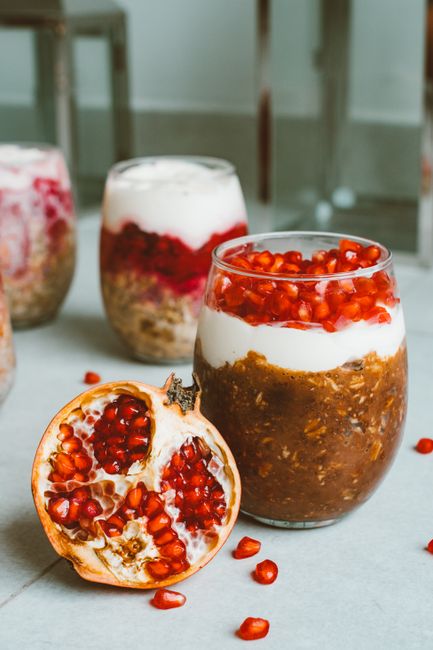
The Simple Secret to Stress-Free Mornings
Mornings can feel like a frantic scramble. Between hitting the snooze button, hunting for keys, and getting out the door on time, making a balanced breakfast often falls to the bottom of the priority list. That is where a reliable overnight oats recipe changes everything. With just five minutes of simple preparation before you go to bed, you wake up to a cold, creamy, and deeply satisfying meal sitting right in your refrigerator.
Overnight oats aren’t just convenient; they are completely customizable. Whether you prefer rich peanut butter with banana, juicy berries with lemon zest, or a warm dusting of cinnamon and maple syrup, the base mixture acts as a blank canvas. By soaking rolled oats in liquid overnight, the raw grains soften gradually, absorbing flavors and creating a pudding-like texture without any stove cooking or microwave hassle. In this guide, we will break down the essential ratios, key ingredients, common pitfalls, and top flavor combinations so you can master this breakfast staple once and for all.



Key Takeaways
- The Golden Ratio: The foundation of any great overnight oats recipe is a simple 1:1 ratio of rolled oats to liquid by volume, adjusted slightly when adding yogurt or chia seeds.
- Oat Selection Matters: Old-fashioned rolled oats provide the ideal texture. Quick oats get too mushy, while raw steel-cut oats stay too tough.
- Chia Seeds Are Key: Adding a small spoonful of chia seeds creates a thicker, creamy structure by absorbing excess fluid and turning it into a light gel.
- Salt Enhances Flavor: Never skip a small pinch of fine sea salt; it balances sweet ingredients and brings out the nutty flavor of the oats.
- Prep Ahead Success: Base jars easily keep in the refrigerator for up to five days, making them one of the best batch meal prep breakfasts available.
Understanding the Base Overnight Oats Recipe
At its core, soaking oats overnight relies on gentle hydration rather than heat activation. When raw rolled oats sit in milk or plant-based liquid, starch granules slowly swell and absorb fluid. This natural process breaks down phytic acid—an antinutrient naturally found in grains—which makes the oats easier on your digestion while unlocking subtle nutty notes that often get lost during rapid boiling.
To achieve a rich texture rather than a thin, watery mess, balancing wet and dry components is vital. While milk provides liquid volume, adding plain Greek yogurt introduces a mild tangy flavor alongside protein and fat. Meanwhile, chia seeds trap moisture in a hydrophilic outer layer, helping bind the ingredients into a spoonable, cohesive dish.
| Oat Variety | Liquid Ratio (Oats to Liquid) | Texture Outcome | Recommended Soak Time |
|---|---|---|---|
| Old-Fashioned Rolled Oats | 1 : 1 (plus 2 tbsp yogurt) | Creamy, thick, with pleasing chew | 6 to 12 hours |
| Quick-Cooking Oats | 1 : 0.75 | Soft, uniform, slightly pasty | 2 to 4 hours |
| Steel-Cut Oats (Uncooked) | 1 : 1.5 | Dense, very chewy, grainy | 12 to 24 hours |
| Rolled Oats + Chia Seeds | 1 : 1.25 | Rich, pudding-like, thick | 8 to 12 hours |
Ingredients and Detailed Component Notes
Creating a delicious jar of oats requires only a handful of pantry staples. Here is what you need for the base dish and why each element plays a critical role in the final outcome:
- Old-Fashioned Rolled Oats: Steamed and flattened oat groats soak up liquid evenly while retaining structure. Avoid pre-flavored instant oat packets, as they contain excess sugar and break down into gluey paste.
- Liquid (Milk of Choice): Whole milk yields a rich finish, while unsweetened almond milk, oat milk, or soy milk offer lighter plant-based options. Soy and dairy milk provide extra protein, whereas oat milk enhances natural sweetness.
- Plain Greek Yogurt: Incorporating Greek yogurt creates a dense, velvety consistency while delivering healthy probiotics. You can substitute full-fat coconut yogurt or plain dairy-free yogurt if you avoid dairy.
- Chia Seeds: These tiny seeds act as a natural thickener. They absorb up to ten times their weight in liquid, converting thin milk into a custard-like matrix while adding heart-healthy omega-3 fatty acids and dietary fiber.
- Sweetener: Pure maple syrup or raw honey blends seamlessly into cold liquids. Adjust the amount based on your personal preference or skip sweetener entirely if you plan to top your oats with ripe fresh fruit.
- Pure Vanilla Extract: A tiny dash of real vanilla extract rounds out the natural earthiness of grain, elevating the profile from plain to dessert-like.
- Fine Sea Salt: A tiny pinch balances sweetness and enhances the grain’s profile. Without salt, overnight oats tend to taste flat and uninteresting.
Step-by-Step Preparation Guide
- Combine Dry Ingredients: In a clean 8-ounce or 16-ounce glass jar (or small bowl), add 1/2 cup of old-fashioned rolled oats, 1 tablespoon of chia seeds, and a tiny pinch of fine sea salt. Whisk or stir them together lightly so the chia seeds distribute evenly throughout the oats.
- Add Wet Ingredients: Pour in 1/2 cup of your preferred milk, 1/4 cup of plain Greek yogurt, 1 tablespoon of maple syrup, and 1/2 teaspoon of pure vanilla extract.
- Stir Thoroughly: Use a small spoon or fork to mix everything together, scraping down the sides and bottom of the jar. Ensure no dry oats or clumped chia seeds remain stuck in the corners.
- Cover and Chill: Seal the jar securely with a lid or cover tight with wrap. Place the jar in the refrigerator for at least 6 hours, or ideally overnight (8 to 10 hours), allowing the oats to hydrate fully.
- Uncover, Adjust, and Serve: In the morning, remove the lid and give the oats a good stir. If the mixture feels too thick, splash in an extra tablespoon of milk to reach your desired consistency. Add your favorite toppings and enjoy cold, or gently warm if preferred.
Pro Tips for Better Texture and Common Mistakes
While making this meal seems foolproof, a few subtle errors can turn your breakfast into an unappealing jar of slurry. Keep these tips in mind for consistently smooth results:
Don’t skip the rest period. Oats need time to absorb fluid evenly. Trying to eat them after just one or two hours leaves you with hard, chalky grains floating in liquid.
Mix thoroughly before storing. Chia seeds sink quickly and clump together at the bottom of the container. Stirring thoroughly—or shaking the closed jar after 10 minutes in the fridge—prevents gummy pockets.
The key difference between mediocre overnight oats and a great jar comes down to dynamic texture. Keep your base smooth and creamy overnight, then add fresh fruit, toasted nuts, and crunchy seeds right before serving.
Watch your liquid balance. If you skip yogurt, increase your liquid slightly. If your oats feel dry and stiff in the morning, stir in a splash of almond milk right before eating to restore creaminess.
Creative Flavor Variations
Once you have mastered the fundamental overnight oats recipe, you can transform the base into countless variations using ingredients from your pantry:
1. Peanut Butter & Jelly
Stir 1 tablespoon of natural creamy peanut butter into the base mix. In the morning, swirl in a tablespoon of seedless raspberry or strawberry jam and top with chopped roasted peanuts for nostalgic flavor.
2. Dark Chocolate & Sea Salt
Add 1 tablespoon of unsweetened cocoa powder and an extra teaspoon of maple syrup to the base mixture. Top with dark chocolate chips and a tiny sprinkle of flaky sea salt before eating.
3. Apple Pie Crunch
Fold 1/4 cup of finely diced sweet apple, 1/4 teaspoon of ground cinnamon, and a pinch of nutmeg into the oats before soaking. Top with toasted pecans and a drizzle of maple syrup.
4. Blueberry Lemon Zest
Gently fold 1/4 cup of fresh blueberries and 1/2 teaspoon of freshly grated lemon zest into the base. The citrus oils brighten the flavor profile and complement the creamy yogurt beautifully.
Serving Suggestions and Architecture
How you assemble your morning bowl makes a massive difference in enjoyment. Layering textures creates contrasting bites that keep the meal interesting from top to bottom.
Consider these topping categories for maximum contrast:
- Crunch Elements: Toasted sliced almonds, pumpkin seeds, cacao nibs, toasted coconut flakes, or homemade granola.
- Fresh Fruits: Sliced banana, fresh raspberries, ripe blackberries, sliced strawberries, or diced mango.
- Fats & Drizzles: Almond butter, cashew butter, sunflower seed butter, or a extra drizzle of warm honey.
Storage and Prep Advice
Overnight oats are an exceptional choice for batch meal prep. You can easily line up four or five jars on Sunday evening to cover your weekday breakfasts.
Refrigeration: Sealed glass jars keep safely in the refrigerator for up to 5 days. Note that ingredients like fresh banana or fresh apples soften over time, so it is best to add delicate fruit toppings on the morning you plan to eat.
Freezing: You can freeze prepared base oats in freezer-safe jars for up to 3 months. Thaw frozen jars in the refrigerator overnight before serving. Do not freeze jars containing fresh berries or crunchy toppings, as they become soggy upon thawing.
Nutrition Breakdown
Overnight oats offer balanced macro-nutrients and high dietary fiber content, helping keep energy levels stable throughout the morning without blood sugar spikes.
| Nutrient | Amount Per Serving | Daily Value (%) |
|---|---|---|
| Calories | 350 kcal | 18% |
| Protein | 14 g | 28% |
| Total Fat | 10 g | 13% |
| Saturated Fat | 2.5 g | 13% |
| Carbohydrates | 48 g | 17% |
| Dietary Fiber | 9 g | 32% |
| Total Sugars | 12 g | — |
| Sodium | 115 mg | 5% |
| Calcium | 250 mg | 20% |
| Iron | 3.2 mg | 18% |
Frequently Asked Questions
Can you warm up overnight oats?
Yes. Although usually enjoyed cold straight from the fridge, you can warm overnight oats. Remove the glass jar lid and microwave on high for 45 to 60 seconds, stirring midway through. Add a small splash of milk if the heat thickens the mixture.
Why are my overnight oats watery?
Watery oats stem from too much liquid or skipping key binding ingredients like chia seeds or Greek yogurt. Make sure to follow the recommended 1:1 oat-to-liquid ratio and let the oats rest in the fridge for at least 6 full hours.
Can I use steel-cut oats instead of rolled oats?
Raw steel-cut oats are much denser than rolled oats and absorb liquid far more slowly. If used raw, they remain crunchy and gritty overnight. For best results, use old-fashioned rolled oats, or pre-cook steel-cut oats before soaking.
Are overnight oats suitable for vegan diets?
Absolutely. Simply swap dairy milk for your favorite plant-based milk (such as oat, almond, or soy) and use a dairy-free coconut or soy yogurt. Use pure maple syrup instead of honey as your sweetener.
Do overnight oats get mushy after a few days?
Old-fashioned rolled oats hold their texture well for up to 4 or 5 days in the fridge. By day four, they will be softer than on day one, but they remain creamy rather than mushy. Avoid quick oats if you plan to store jars for several days.
Conclusion
Mastering a basic overnight oats recipe is one of the easiest ways to streamline your morning routine while keeping your breakfast delicious and nutritious. By combining equal parts rolled oats and liquid with yogurt, chia seeds, and a touch of natural sweetener, you create a creamy, versatile base ready for all your favorite toppings. Spend five minutes prepping a few jars tonight, and give your future self the gift of a relaxed, effortless morning tomorrow.