Mastering Homemade Soup Recipes: Tuscan White Bean and Sausage Soup


The Magic of Homemade Soup Recipes
There is an undeniable comfort in a gently simmering pot resting on the stove, filling the kitchen with rich aromas of garlic, toasted spices, and sweet onions. When winter chill sets in or you simply need a restorative, nourishing meal after a long week, exploring rustic soup recipes offers unequaled satisfaction. Soup is one of culinary history’s greatest accomplishments: an humble yet elegant technique designed to turn simple, affordable ingredients into balanced, soul-soothing dishes.
While canned varieties offer convenience, they simply cannot match the vibrant taste, rich texture, and nutritional value of homemade soup recipes. Making your own soup puts you in total control of flavor building, sodium levels, and ingredient fresh quality. In this comprehensive guide, we’ll explore the foundational techniques that elevate simple broth into a restaurant-worthy masterpiece, centered around an incredible, satisfying Tuscan White Bean and Sausage Soup that your family will ask for week after week.
Key Takeaways
- Layering is key: Searing meat, sautéing aromatics, blooming spices, and deglazing create deep flavor complexity.
- Texture balance: Mashing a portion of white beans creates a naturally creamy texture without adding heavy cream.
- Acid finishes: A fresh squeeze of lemon juice or a splash of white wine vinegar brightens simmered dishes instantly.
- Parmesan rind secret: Simmering a hard cheese rind directly in the broth infuses incredible umami richness.
- Freezer management: Dairy-free bean soups freeze exceptionally well for up to three months when properly cooled.
The Essential Architecture of Great Soup Recipes
Before diving straight into our featured recipe, it helps to understand why certain soup recipes taste vibrant and deeply satisfying, while others turn out watery or flat. Culinary school teaches that every memorable soup rests on four essential pillars: aromatics, fat, liquid, and finishing accents.

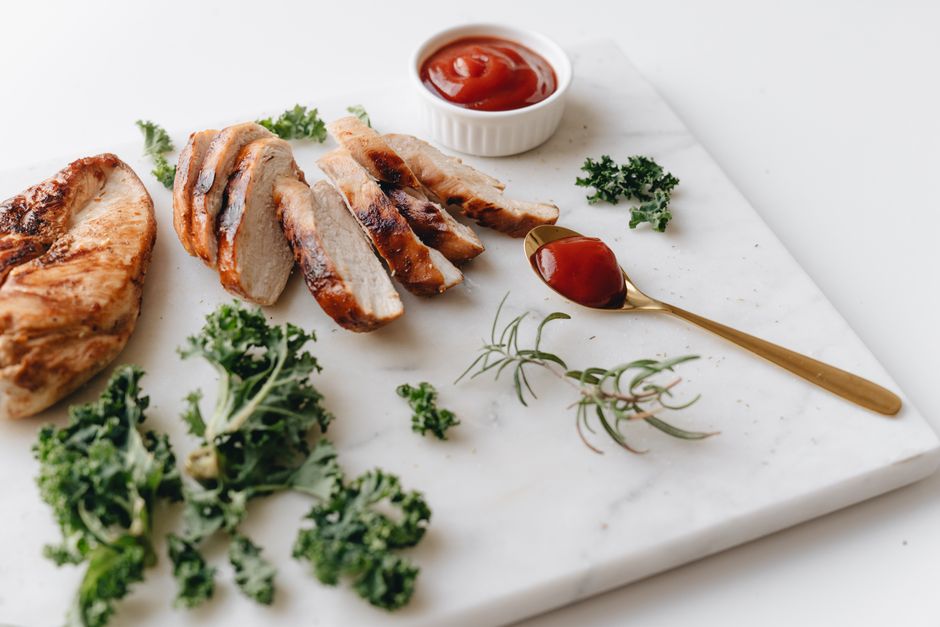


Aromatics form the aromatic base of your dish. In French cuisine, this is the classic mirepoix (onions, carrots, and celery). In Italian cooking, it’s known as a soffritto, often incorporating garlic, herbs, and olive oil. Sautéing these vegetables slowly in fat softens their cell walls and releases natural sugars through caramelization, giving your soup a rich, sweet backbone.
| Soup Style | Aromatic Base | Recommended Cooking Fat | Ideal Broth Base | Finishing Accent |
|---|---|---|---|---|
| Italian Tuscan | Onion, carrot, garlic, rosemary | Extra virgin olive oil | Low-sodium chicken or vegetable stock | Parmesan cheese, lemon, fresh parsley |
| French Country | Mirepoix (onion, carrot, celery) | Unsalted butter | Rich beef or brown chicken stock | Fresh thyme, Gruyère crust, heavy cream |
| Latin American | Onion, bell pepper, garlic, cilantro | Lard or avocado oil | Savory poultry or pork stock | Lime juice, fresh avocado, crispy tortilla strips |
| Asian Noodle | Ginger, scallions, garlic, star anise | Toasted sesame oil | Dashi, bone broth, or pork broth | Soy sauce, chili oil, fresh cilantro |
Liquid selection is equally vital. High-quality bone broth or low-sodium stock allows you to control saltiness precisely while providing natural gelatin for luxurious mouthfeel. Finally, finishing accents—such as fresh herbs, vinegar, citrus, or grated aged cheeses—cut through heavy fats and wake up dull flavors right before serving.
Recipe Overview: Tuscan White Bean and Sausage Soup
This Tuscan White Bean and Sausage Soup represents everything cozy soup recipes should be. It relies on sweet Italian sausage, creamy Cannellini beans, earthy Tuscan kale, and a garlic-scented parmesan broth. It’s rich without feeling heavy, naturally high in protein and fiber, and ready in under an hour.
We start by browning high-quality Italian sausage, rendering its savory fat to cook our fresh aromatic vegetables. We then simmer the broth with a parmesan rind and tender herbs, partially puréeing the white beans to create a silky, body-full broth without using flour or heavy cream. Finally, we fold in dark leafy greens that soften gently in the residual heat.
Ingredients and Detailed Ingredient Notes
- Sweet or Spicy Italian Sausage (1 pound): Bulk sausage works best here, but you can remove casings from fresh link sausage. Spicy sausage adds a wonderful background heat that balances the creamy white beans.
- Cannellini Beans (Two 15-ounce cans): These Italian kidney beans are buttery and smooth. Be sure to rinse and drain them thoroughly to clear away excess sodium and canned liquid. Great Northern beans make an excellent substitute.
- Lacinato Kale (1 bunch): Also sold as Tuscan kale or Dinosaur kale. Its dark, bumpy leaves hold up remarkably well in hot broth without turning slimy. Remove the woody center stems before chopping.
- Yellow Onion, Carrots, and Celery: The essential aromatic trinity. Dice them evenly so they cook at the same rate.
- Fresh Garlic (4 cloves): Minced freshly rather than pre-jarred garlic to yield sweet, pungent top notes.
- Chicken Stock (4 cups): Use a low-sodium bone broth or high-quality chicken stock so you can manage final salt levels yourself.
- Parmesan Rind (1 piece, approx. 2 inches): Don’t throw away those hard ends of parmesan cheese! Dropping one into simmering soup releases glutamate-rich umami flavor.
- Fresh Rosemary and Thyme: Tied together with kitchen twine for easy removal after simmering.
- Extra Virgin Olive Oil (2 tablespoons): Used to sear the sausage and soften aromatics.
- Red Pepper Flakes, Salt, and Black Pepper: Adjusted to taste for precise seasoning balance.
- Fresh Lemon Juice (1 tablespoon): Applied right at the end to lift heavy flavors.
Step-by-Step Cooking Instructions
Step 1: Sear the Sausage
Heat 1 tablespoon of extra virgin olive oil in a large, heavy-bottomed Dutch oven over medium-high heat. Add 1 pound of Italian sausage. Use a wooden spoon to break the meat into small bite-sized crumbles as it cooks. Brown thoroughly until caramelized and no longer pink, about 6 to 8 minutes. Using a slotted spoon, transfer the browned sausage to a paper-towel-lined plate, leaving the rendered savory fat in the pot.
Step 2: Sweat the Aromatics
Reduce heat to medium. Add the remaining tablespoon of olive oil if the pot looks dry. Add the diced yellow onion, chopped carrots, and diced celery. Season with a pinch of kosher salt and black pepper. Cook, stirring occasionally, for 6 to 8 minutes until the onions become translucent and soft. Stir in the minced garlic and red pepper flakes, cooking for about 60 seconds until intensely fragrant. Don’t let the garlic brown, as burnt garlic turns bitter.
Step 3: Deglaze and Build the Broth
Pour in a splash (about 1/4 cup) of chicken stock or dry white wine to deglaze the pot. Use your wooden spoon to scrape up all the flavorful browned bits (the fond) stuck to the bottom of the Dutch oven. Pour in the remaining chicken stock. Add the drained Cannellini beans, browned sausage, tied herb bundle (rosemary and thyme), and the parmesan rind.
Step 4: Simmer and Create Texture
Bring the liquid to a rolling boil over medium-high heat. Once boiling, reduce heat to low, cover the pot partially with a lid, and let it simmer gently for 20 minutes. Remove the lid. Use a potato masher or the back of a large ladle to gently crush about one-third of the white beans directly against the side of the pot. This releases starch into the broth, converting it from thin liquid into a silky, luscious soup.
Step 5: Fold in Greens and Finish
Remove and discard the parmesan rind and herb bundle stems. Add the chopped Lacinato kale to the pot. Stir well to submerge the greens. Simmer uncovered for 5 to 7 minutes until the kale is tender and bright green. Turn off the heat. Stir in 1 tablespoon of fresh lemon juice and taste the soup. Adjust seasoning with additional kosher salt and freshly cracked black pepper as needed.
Pro Cooking Tips and Common Mistakes to Avoid
Even simple soup recipes benefit tremendously from professional kitchen wisdom. Avoid these frequent pitfalls to guarantee incredible results every single time:
Building depth in a soup isn’t about long boiling; it’s about building layers. Browning your proteins and blooming your dry aromatics in fat before adding liquid unlocks hidden flavor compounds that raw boiling can never reproduce.
- Don’t skip the browning stage: Deep brown color equals rich flavor. Allow sausage and onions to develop brown color rather than rushing the boiling step.
- Salt carefully throughout cooking: Store-bought stock, parmesan cheese, and Italian sausage all contain sodium. Season lightly in early steps, then make your final salt adjustments right before serving.
- Never boil delicate greens: Boiling kale or spinach violently destroys bright color and nutrient density. Gentle simmering or residual off-heat wilting preserves texture and fresh taste.
- Control evaporation: Keep the pot partially covered during simmering to prevent broth from reducing too quickly and becoming overly concentrated or salty.
Variations and Substitutions
One of the best attributes of classic soup recipes is their incredible adaptability. You can effortlessly tweak this Tuscan white bean soup based on dietary choices or what you have available in your pantry:
- Vegetarian & Vegan Adaptation: Omit the sausage and replace chicken stock with rich vegetable stock. Swap the sausage for diced cremini mushrooms sautéed with smoked paprika to recreate savory depth. Omit parmesan or use a plant-based alternative.
- Poultry Option: Replace pork sausage with mild ground turkey sausage or chicken sausage to lower saturated fat while preserving high protein content.
- Grain Additions: Add 1/2 cup of uncooked ditalini pasta, small shells, or pearled farro during the last 12 minutes of simmering. If adding grains, add an extra cup of warm stock, as whole grains absorb significant liquid.
- Green Swaps: If Lacinato kale isn’t available, substitute curly kale, Swiss chard, or baby spinach. Note that baby spinach wilts in under 2 minutes, so stir it in right after turning off the burner.
What to Serve with Tuscan White Bean Soup
This hearty soup works as a complete meal on its own, but thoughtful pairings elevate it into an exceptional dinner experience. Pair this rich bowl with:
- Crusty Artisan Bread: A warm slice of garlic-rubbed sourdough, grilled ciabatta, or rustic French baguette is indispensable for soaking up rich broth.
- Crisp Green Salad: Serve alongside a bright bitter greens salad, such as arugula or radicchio, dressed with lemon juice, extra virgin olive oil, and shaved parmesan to balance rich sausage flavors.
- Wine Pairing: Complement savory Italian herbs and white beans with a dry Italian red wine like Chianti Classico, or a crisp dry white like Pinot Grigio or Vermentino.
Storage, Freezing, and Reheating Guidelines
Like many homemade soup recipes, this white bean and sausage soup tastes even better the next day as flavors merge in the refrigerator.
- Refrigeration: Allow the soup to cool down to room temperature (don’t leave it out longer than two hours). Transfer into airtight glass storage containers and chill for up to 4 days.
- Freezing: Because this recipe contains no cream or noodles, it freezes wonderfully. Ladle cooled soup into freezer-safe containers or lay heavy-duty freezer bags flat on a tray, leaving one inch of headspace for liquid expansion. Freeze for up to 3 months.
- Reheating: Thaw frozen soup in the refrigerator overnight. Reheat gently in a saucepan over medium-low heat on the stove, stirring occasionally. If the beans have absorbed liquid overnight, add 1/4 cup of fresh warm water or stock to restore desired consistency.
Nutrition Breakdown
Below is an estimated nutritional profile per generous serving (recipe yields approximately 6 full servings). Keep in mind that exact numbers vary based on specific sausage brands and stock selection.
| Nutrient | Amount Per Serving | % Daily Value* |
|---|---|---|
| Calories | 385 kcal | 19% |
| Total Fat | 18 g | 23% |
| Saturated Fat | 6 g | 30% |
| Cholesterol | 45 mg | 15% |
| Sodium | 680 mg | 30% |
| Total Carbohydrates | 34 g | 12% |
| Dietary Fiber | 8 g | 29% |
| Sugars | 4 g | — |
| Protein | 22 g | 44% |
*Percent Daily Values are based on a 2,000 calorie diet. Nutritional values are approximate estimates.
Frequently Asked Questions About Soup Recipes
How do I fix a soup that is too salty?
If your soup accidentally turns out over-salted, don’t worry! You can easily balance it by diluting the pot with a splash of unsalted stock or warm water. Alternatively, drop a peeled, halved raw potato into the pot and simmer for 15 minutes; the potato absorbs excess salty liquid. Remove and discard the potato before serving. A splash of fresh acid, like lemon juice or rice vinegar, also helps mask excessive saltiness on your palate.
Can I freeze soups containing dairy or cream?
Pure milk and cream-based soups often separate, grain, or curdle when frozen and reheated. If you are preparing cream-heavy soup recipes for meal prep, cook the soup through without adding dairy, freeze the base, and simply stir in fresh cream or milk after thawing while reheating on the stove.
Why do my vegetables get mushy in slow-simmered soups?
Vegetables get mushy when cooked too long or added at the wrong stage. Hard root vegetables like carrots, potatoes, and parsnips take longer to soften and should go in early. Delicate greens like spinach, herbs, and cooked pasta should only be added during the final minutes of cooking.
What is the difference between stock, broth, and bone broth in soup recipes?
Broth is made primarily by simmering meat and vegetables for a short duration, producing a thin, flavorful liquid. Stock is made by simmering animal bones and connective tissue for hours, extracting gelatin for a richer, thicker texture. Bone broth is essentially extended-simmered stock rich in collagen and minerals.
How can I thicken soup naturally without using flour or cornstarch?
You can thicken soups naturally by puréeing a portion of starch-rich ingredients (such as beans, potatoes, or squash) with an immersion blender and stirring them back in. Simmering with lid off to allow natural reduction or stirring in a spoonful of tomato paste also thickens liquid while adding deep flavor.
Final Thoughts
Mastering basic soup recipes is one of the most rewarding skills you can develop in your home kitchen. Beyond saving money and reducing waste, crafting soup from scratch offers a therapeutic, creative outlet that feeds both body and soul. This Tuscan White Bean and Sausage Soup proves that basic kitchen staples—beans, greens, aromatics, and rich broth—can transform into an unforgettable meal with proper technique.
Keep experimenting with flavor combinations, save those parmesan rinds in your freezer, and remember to layer seasonings at every step. Grab your favorite Dutch oven, gather your ingredients, and enjoy the cozy process of crafting delicious homemade soup tonight!