The Ultimate Classic New England Clam Chowder Recipe: Rich, Creamy, and Authentic

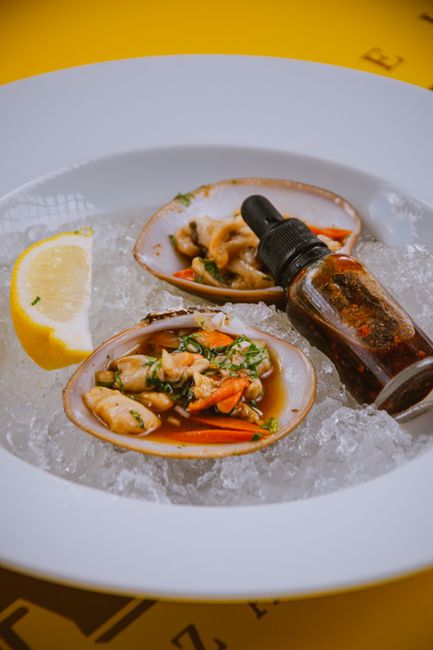
Few dishes evoke the cozy comfort of coastal dining quite like a piping-hot bowl of authentic New England clam chowder. Characterized by its velvet-smooth, rich cream base, tender ocean clams, smoky bacon, and buttery russet potatoes, clam chowder is a timeless American staple. Whether you are seeking refuge from a chilly autumn breeze or recreating nostalgic memories of seaside fish shacks, mastering the art of homemade clam chowder is a culinary milestone every home cook should achieve.
While many variations of clam chowder exist across the United States—including the tomato-infused Manhattan clam chowder and the clear, broth-based Rhode Island style—the velvety New England clam chowder remains the undisputed king of comfort soups. Achieving restaurant-quality clam chowder at home does not require chef-level credentials; it simply demands a deep appreciation for building layered flavors, selecting the right potatoes, and creating a perfectly balanced cream broth that coats the back of your spoon without feeling overly heavy or pasty.



In this comprehensive guide, we will walk you through every step of crafting the best clam chowder from scratch. From rendering thick-cut bacon to simmering tender Russets in rich ocean-fresh clam juice, this step-by-step clam chowder recipe delivers an unforgettably luxurious flavor profile that will impress your family and dinner guests alike.
Recipe Overview
Before gathering your tools and ingredients, review this quick overview of the time and effort needed to prepare your homemade clam chowder.
| Category | Value |
|---|---|
| Preparation Time | 25 minutes |
| Cooking Time | 35 minutes |
| Total Time | 1 hour |
| Servings | 6 to 8 servings |
| Difficulty | Intermediate |
Understanding the Ingredients for Exceptional Clam Chowder
The secret to an unforgettable clam chowder lies in the quality and balance of its ingredients. Because this dish relies on a subtle interplay of savory, salty, briny, and sweet tones, each element plays a vital role:
- The Clams: You can use high-quality canned chopped clams or fresh wild-caught clams (such as quahogs or littlenecks). If using canned clams, always reserve the liquid juice—it serves as the flavorful liquid foundation for your chowder base.
- The Salt Pork or Bacon: High-quality thick-cut bacon provides a subtle smoky background note while supplying rendered fat to sauté your aromatic veggies.
- The Potatoes: Starchy Russet potatoes are ideal because their starches break down slightly during simmering, naturally thickening the clam chowder while remaining tender to the bite. Alternatively, Yukon Gold potatoes offer a lovely buttery flavor and hold their shape slightly better.
- The Dairy: A combination of heavy cream and whole milk (or half-and-half) achieves the quintessential silky consistency of New England clam chowder without making it excessively thick or gelatinous.
- The Aromatics: Yellow onions, crisp celery, minced garlic, fresh thyme, and a bay leaf supply a aromatic foundation that cuts through the rich dairy.
Ingredients List
| Ingredient | Quantity / Measure | Notes & Preparation |
|---|---|---|
| Thick-cut Bacon | 6 slices (approx. 6 oz) | Diced into small pieces |
| Unsalted Butter | 4 tablespoons (1/2 stick) | Divided use |
| Yellow Onion | 1 large bowl | Finely diced |
| Celery Stalks | 3 stalks | Finely diced |
| Garlic | 3 cloves | Minced |
| All-Purpose Flour | 1/3 cup | Used to build the roux |
| Clam Juice (Bottled or Reserved) | 2 cups (16 fl oz) | Bottled clam juice or saved from canned clams |
| Chopped Clams | 3 cans (6.5 oz each) | Drained, juices reserved (or 2 cups fresh chopped clams) |
| Russet Potatoes | 1.5 lbs (approx. 3 medium) | Peeled and cut into 1/2-inch cubes |
| Chicken or Vegetable Stock | 1 cup | Low-sodium preferred |
| Heavy Cream | 1.5 cups | Room temperature |
| Whole Milk | 1 cup | Room temperature |
| Dried Bay Leaf | 1 leaf | Whole |
| Fresh Thyme Leaves | 1 teaspoon | Chopped (or 1/2 tsp dried thyme) |
| Salt & Black Pepper | To taste | Freshly cracked black pepper & sea salt |
| Fresh Parsley & Oyster Crackers | For garnish | Optional, traditional serving elements |
Nutritional Information Per Serving
Estimated nutritional values based on an 8-serving yield of this rich clam chowder recipe:
| Nutrient | Amount Per Serving |
|---|---|
| Calories | 420 kcal |
| Total Fat | 26 g |
| Saturated Fat | 14 g |
| Cholesterol | 85 mg |
| Sodium | 780 mg |
| Total Carbohydrates | 30 g |
| Dietary Fiber | 2 g |
| Protein | 17 g |
Cooking Instructions
- Crisp the Bacon: Place a large Dutch oven or heavy-bottomed stockpot over medium heat. Add the diced bacon and cook, stirring occasionally, for 6 to 8 minutes until the bacon is crispy and browned. Use a slotted spoon to transfer the crispy bacon onto a paper towel-lined plate, leaving the rendered fat in the pot.
- Sauté the Aromatics: Add 2 tablespoons of unsalted butter to the bacon fat in the pot and allow it to melt. Add the diced yellow onion and celery. Cook over medium heat for about 5 to 7 minutes until the vegetables become soft and translucent, but not browned. Stir in the minced garlic and chopped fresh thyme, cooking for an additional 1 minute until fragrant.
- Build the Roux: Sprinkle 1/3 cup of all-purpose flour evenly over the softened vegetables. Cook, stirring constantly with a wooden spoon, for 2 minutes. This step browns the flour slightly, removing the raw flour taste while establishing the thickening base for your clam chowder.
- Deglaze and Add Liquid Base: Slowly pour in the 2 cups of reserved clam juice and 1 cup of chicken stock while whisking constantly to prevent lumps from forming. Ensure you scrape up any flavorful browned bits stuck to the bottom of the Dutch oven.
- Add Potatoes and Simmer: Add the cubed russet potatoes and the bay leaf to the pot. Bring the liquid to a gentle boil over medium-high heat. Once boiling, reduce the heat to medium-low, cover the pot partially, and let it simmer gently for 15 to 20 minutes, or until the potatoes are fork-tender.
- Incorporate Cream & Clams: Reduce the heat to low. Stir in the whole milk and heavy cream. Add the chopped clams and half of the reserved crispy cooked bacon. Stir gently to combine. Allow the clam chowder to simmer uncovered on low heat for 5 to 10 minutes until heated through. Important: Do not bring the chowder to a hard boil after adding the dairy, as this can cause the cream to separate or curdle.
- Season and Rest: Remove the bay leaf from the pot. Taste the clam chowder and season with salt and freshly cracked black pepper according to your preference. Remove the pot from heat, cover, and let it rest for 5 minutes to let the flavors meld together harmoniously.
- Garnish and Serve: Ladle the hot clam chowder into warm soup bowls. Top each serving with the remaining crisp bacon, fresh chopped parsley, and a generous sprinkle of crisp oyster crackers. Serve immediately.
Expert Tips for the Best Homemade Clam Chowder
Creating a truly magnificent clam chowder requires attention to subtle culinary details. Keep these professional tips in mind during your cooking process:
- Prevent Curdling: Always use full-fat dairy products like heavy cream and whole milk. Low-fat options contain higher water content and lower fat, making them far more prone to curdling when exposed to heat or acidic elements.
- Texture Customization: If you prefer an extra thick and creamy clam chowder, mash a few cooked potato cubes against the side of the pot using a potato masher or fork before adding the dairy. The starch released from the potatoes naturally thickens the broth base.
- Don’t Overcook the Clams: Clams become tough, rubbery, and chewy if cooked for too long under high temperatures. Always add your canned or pre-cooked fresh clams near the end of the cooking process, allowing them just enough time to heat through gently.
- Flavor Enhancement: Allow your completed clam chowder to sit for 30 minutes before serving, or make it a day ahead! Like many stew recipes, clam chowder tastes even better the next day as the ocean brine, bacon smoke, and dairy balance out.
Serving Suggestions & Pairings
While a bowl of creamy clam chowder is plenty satisfying on its own, pairing it with classic sides elevates it to a complete coastal feast. Consider these popular options:
- Sourdough Bread Bowls: Hollow out a round sourdough bread loaf and ladle the thick clam chowder directly inside. The tangy sourdough absorbs the rich cream broth, providing a delicious edible bowl.
- Crisp Garden Salad: Balance the rich creaminess of the clam chowder with a light green garden salad tossed in a lemon-vinaigrette dressing.
- Garlic Butter Crusty Bread: Warm, crusty French baguettes or garlic bread are perfect for dipping into the silky soup broth.
- Beverage Pairings: Pair your homemade New England clam chowder with crisp, dry white wines such as Sauvignon Blanc, Pinot Grigio, or an un-oaked Chardonnay. If you prefer beer, a light craft pilsner or wheat ale complements the salty-savory notes of the clams and bacon seamlessly.
Storage, Reheating, and Freezing Instructions
Leftover clam chowder can easily be preserved for quick weekday lunches or dinners when stored correctly.
Refrigeration: Allow the chowder to cool down completely to room temperature. Transfer leftovers into an airtight glass or plastic container and store in the refrigerator for up to 3 to 4 days.
Reheating: Reheat cold clam chowder slowly over low heat on the stovetop, stirring occasionally until warm. Avoid using high heat or microwaving at high power, as sudden heat spikes can cause the dairy base to separate. If the chowder thickened significantly in the fridge, splash in a tablespoon of milk or cream to restore its smooth consistency.
Freezing: Freezing dairy-heavy soups can be tricky because cream tends to split when thawed. If you plan to freeze clam chowder, prepare the soup up to Step 5 (before adding the cream, milk, and clams). Freeze the potato-broth base in an airtight container for up to 3 months. When ready to eat, thaw the base, bring to a gentle simmer, and complete Steps 6 and 7 by adding fresh cream and clams!